




More Than a Meal
In the world of premium dining, a fascinating shift is taking place. The focus is moving beyond mere technical perfection to something far more elemental: storytelling. A meal can now be an immersive experience, where each course is a chapter and every
ingredient has a backstory. This isn't just about a description on a menu; it's a comprehensive narrative woven through the ambiance, the presentation, and the service. The goal is to elevate a meal from a simple act of eating into a memorable, emotional journey that engages the diner's heart as much as their palate. It’s a move from passive consumption to active participation in a culinary tale.
The Chef as Author
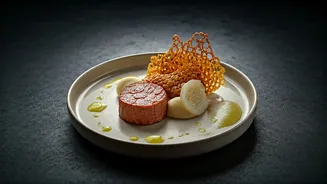
At the heart of this trend are the chefs, who are increasingly taking on the role of storytellers. Their personal histories, travels, and even childhood memories become the inspiration for their creations. A dish might represent a modern reinterpretation of a family recipe or a tribute to a forgotten cultural tradition. For example, a chef might craft an entire tasting menu based on their personal journey, with each dish symbolising a different stage of their life or career. This narrative approach transforms the chef from a faceless technician in the kitchen into a relatable artist, inviting diners into their world and fostering a genuine connection. The plate becomes their canvas for expressing not just flavour, but emotion and identity.
Why We Crave Stories
Our attraction to narrative is deeply ingrained. Stories help us make sense of the world, validate our experiences, and connect with others. When applied to food, this has a powerful effect. Research and industry observations suggest that knowing the story behind a dish—whether it's about the chef's inspiration or the cultural heritage it represents—can make the food more meaningful and even seem to taste better. This is because the story provides an emotional and intellectual context to what we are eating. It answers a deeper consumer desire for authenticity and transparency, making diners feel more connected to and trusting of the restaurant. A compelling narrative can transform a meal into an experience that people remember and share.
The Provenance Narrative
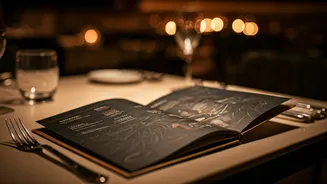
One of the most popular forms of food storytelling is the provenance narrative, which focuses on the origin of the ingredients. In an era of heightened awareness around sustainability and ethical sourcing, diners want to know where their food comes from. Restaurants are responding by highlighting their relationships with local farmers, fishermen, and artisans. A menu might feature a small card detailing the story of the farmer who grew the vegetables, or the server might share an anecdote about the journey of the fish from the sea to the plate. This not only adds a layer of interest but also imbues the meal with a sense of place and purpose, making diners feel like they are part of a larger, more responsible food ecosystem.
Creating a Human Connection
Ultimately, the rise of food storytelling is about making the often-intimidating world of premium dining more human. By sharing the stories behind the food—the people, the places, the passion—restaurants break down the barrier between the kitchen and the dining room. The experience becomes a conversation, a shared moment of discovery between the chef and the diner. It fosters a sense of community and makes guests feel valued and seen, not just as customers, but as participants in the creative process. When a server enthusiastically recounts the history of a heritage dish, the illusion of stiff formality dissolves, replaced by a genuine human interaction that leaves a lasting impression.