


The Spirit of the Sadya
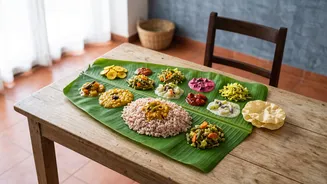
Onam, Kerala's grand harvest festival, culminates with Thiruvonam on Wednesday, August 26, 2026. This day is marked by the Onam Sadya, a multi-course vegetarian banquet served on a fresh banana leaf. A traditional Sadya can feature anywhere from 24 to
over 60 dishes, but its essence isn't about the number. It's about a balance of six fundamental flavours—sweet, sour, salty, pungent, bitter, and astringent—creating a meal that is both harmonious and deeply satisfying. For a home celebration, the goal isn't to replicate a 64-dish feast but to capture this spirit of balance and togetherness.
Crafting a Manageable Home Menu
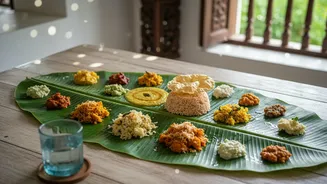
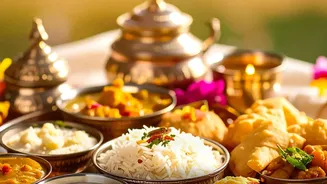
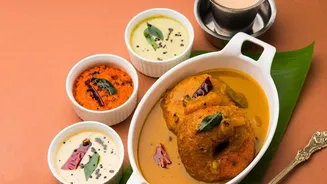
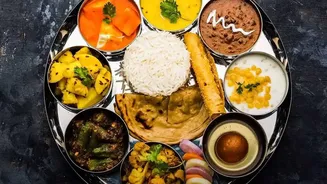
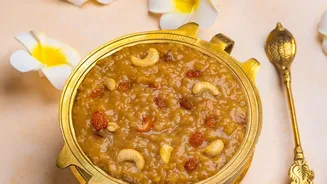
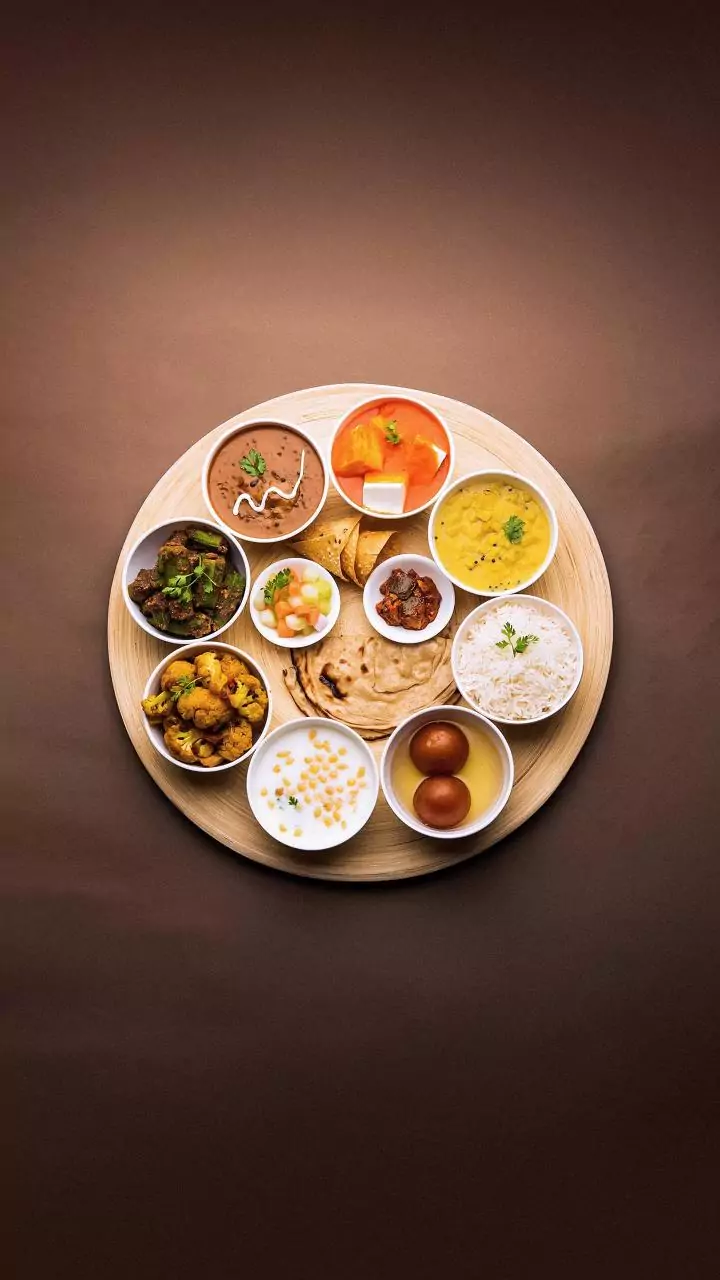
Instead of aiming for dozens of dishes, focus on a core selection that represents the key components of a Sadya. A well-rounded home menu of about 12-15 items will deliver an authentic experience without overwhelming the cook. A great menu must include rice, a few key curries and sides, pickles, and a dessert. Start with Kerala Matta Rice (also known as Rose Matta rice) as your base. For the main curries, Parippu (a simple lentil curry with ghee) and Sambar (a hearty vegetable and lentil stew) are essential. For side dishes, a mix of textures and flavours is key. Include Avial (mixed vegetables in a coconut-yoghurt gravy), Thoran (a dry stir-fry of vegetables like cabbage or beans with grated coconut), and a cooling Pachadi or Kichadi (yoghurt-based dishes, often with cucumber or pineapple). Don't forget the accompaniments: crispy Pappadam, Sharkara Upperi (jaggery-coated banana chips), and a tangy pickle like Puli Inji (a sweet and sour ginger-tamarind chutney). Finally, no Sadya is complete without Payasam, a sweet milk or jaggery-based pudding.
Your Two-Day Preparation Plan
The secret to a stress-free Sadya is staggering your prep work over two days. Trying to do everything on Thiruvonam morning is a recipe for chaos. Start your preparations a day or two before the main event.Two Days Before: Your main tasks are shopping and some early prep. Buy all your vegetables and shelf-stable ingredients. This is also a good time to make pickles like Inji Puli, as their flavour deepens over time. You can also prepare jaggery syrup if you're making a jaggery-based payasam.One Day Before: This is your heavy prep day. Chop all the vegetables for your Sambar, Avial, and Thoran, storing them in airtight containers in the fridge. Grate the coconuts needed for various pastes and garnishes. You can cook the lentils for your Parippu and Sambar. Some dishes, like Kalan (a yoghurt-based curry) or certain payasams, can also be made a day in advance. Frying papadams ahead of time is also a great time-saver, just be sure to store them in an airtight container.
Onam Day: The Final Assembly
On the morning of Thiruvonam, your focus should be on cooking the fresh dishes and final assembly. Begin with the dishes that take the longest, like Avial and Sambar, using your pre-chopped vegetables. While they simmer, you can prepare the quicker dishes like Thoran. Cook your rice last so it is hot and fresh when served. The final step before serving is tempering. You can make a large batch of the basic tempering (mustard seeds, curry leaves, and dried red chillies in coconut oil) and add it to multiple dishes. This is far more efficient than tempering each dish individually.
The Art of Serving
Serving the Sadya is a tradition in itself. The banana leaf is placed with its narrow tip to the left of the guest. The top half of the leaf is for all the side dishes, pickles, and chips. The accompaniments like pickles and chips are placed on the far left. The various vegetable dishes like Thoran, Avial, Kalan, and Olan are served to the right of them. The large bottom half of the leaf is reserved for the rice. Once guests are seated, serve a scoop of rice. The first course is Parippu topped with a spoonful of ghee. This is followed by Sambar. Subsequent rounds of rice can be served with Rasam and Pulissery. The Payasam is served either on the leaf or in a separate bowl, marking the sweet end to the meal.