


Why Thunder Terrifies Your Dog
A dog's fear of thunderstorms, sometimes called astraphobia, is more than just a reaction to loud noise. Dogs experience the world with far more sensory intensity than we do. They can often sense a storm approaching long before we can, thanks to their
ability to detect drops in barometric pressure and the scent of rain in the air. The loud, unpredictable booms of thunder, coupled with flashing lightning, can create a sensory overload. Some experts also believe that the buildup of static electricity in the air during a storm can be physically uncomfortable for dogs, possibly even causing tiny, unpleasant shocks to their fur. This combination of unsettling environmental changes and loud noises can trigger significant anxiety, causing behaviours like shaking, panting, hiding, and pacing.
Building Their Safe Den
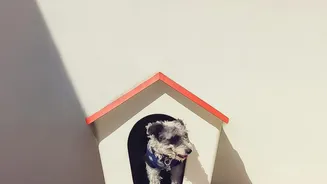
The most powerful tool in your arsenal is creating a dedicated safe space, or an 'indoor storm shelter'. This gives your dog a place to retreat to where they feel secure and protected. This space doesn't need to be elaborate. Often, your dog will choose it for themselves, like a closet, a bathroom, or the space under a bed. The key is to make this chosen area as comfortable and calming as possible. Furnish it with their favourite soft bedding and a toy or two. An old t-shirt or blanket with your scent on it can also be incredibly comforting. The ideal location is an interior room with no windows, which helps to muffle sound and block out flashes of lightning. If that’s not possible, closing curtains or blinds can make a big difference.
What to Do When the Storm Hits
Your own behaviour is crucial when the storm arrives. Dogs are masters at reading our emotions, so if you're anxious, their fear may escalate. Remain calm and act as normally as possible. While it's tempting to excessively soothe your dog with high-pitched reassurances, some experts note this can sometimes reinforce their fearful state. Instead, offer quiet company and gentle pets if they seek you out. Distraction is another effective technique. Engage your dog in a quiet game, or offer them a long-lasting chew or a food-puzzle toy like a frozen Kong. This not only keeps their mind occupied but can also start to build a positive association with storm sounds. Playing some calming classical music or turning on a white noise machine can also help to mask the sounds of the thunder outside.
Long-Term Solutions for Resilience
For dogs with severe storm phobia, you may want to explore long-term training solutions. The most effective methods are desensitisation and counter-conditioning. This involves playing recordings of storm sounds at a very low, barely audible volume while your dog is relaxed. As you play the sounds, give them high-value treats or engage them in a favourite game. The goal is to change their emotional response, associating the once-scary sound with something positive. Over many sessions, you can gradually increase the volume, always ensuring your dog remains comfortable and calm. If they show signs of stress, you've gone too fast; simply lower the volume back to a comfortable level and proceed more slowly. This process takes time and patience but can make a profound difference in your dog's ability to cope.
Considering Extra Support
In some cases, the above techniques may not be enough. There are a variety of calming products available that can offer additional support. Pressure wraps or anxiety vests, such as the Thundershirt, apply gentle, constant pressure that can have a calming effect on a dog's nervous system, much like swaddling an infant. Pheromone diffusers or sprays can also help create a more relaxed environment. If your dog's anxiety is severe, causing destructive behaviour or self-harm, it's essential to speak with your veterinarian. They can rule out any other medical issues and discuss further options, which might include specific calming supplements or, in serious cases, prescription anti-anxiety medication to help your dog manage their panic during a storm.