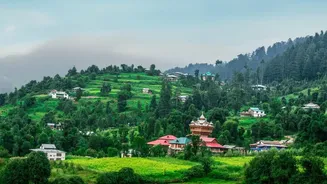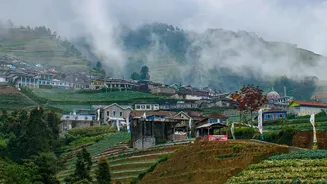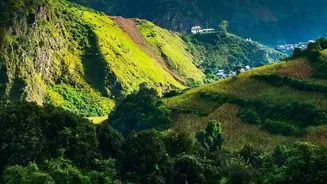

The Abode of Clouds in Full Glory
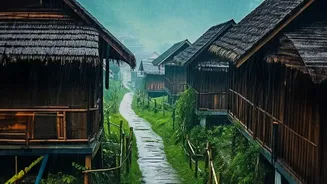
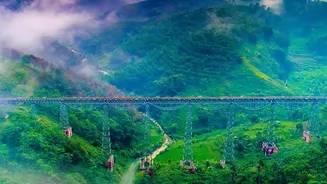
Meghalaya, whose name literally means 'Abode of Clouds', truly lives up to its title during the monsoon. The towns of Cherrapunji and Mawsynram, known for being among the wettest places on Earth, become a spectacle of nature's power. Waterfalls that are
modest trickles in drier seasons transform into thunderous, magnificent cascades. The iconic Nohkalikai Falls, India's tallest plunge waterfall, is at its most powerful, its roar echoing through the mist-filled valleys. Similarly, the Seven Sisters Falls becomes a breathtaking curtain of water, as multiple streams plunge side-by-side down limestone cliffs. Travel here isn't just about sightseeing; it's an immersive experience of being enveloped by clouds and witnessing the landscape change by the minute.
An Engineering Marvel of Nature
The relentless rain in Meghalaya posed a unique challenge for the indigenous Khasi and Jaintia tribes: how to cross rivers that swell dangerously during the monsoon. Regular wooden or bamboo bridges would rot and wash away. Their solution was not to build, but to grow their bridges. Using the aerial roots of the Ficus elastica tree, they have for centuries guided, woven, and nurtured them across rivers. Over 15 to 25 years, these roots form a strong, living structure that gets more robust with time. The most famous example, the Double-Decker Living Root Bridge in Nongriat, is a testament to this incredible bio-engineering. During the monsoon, trekking to these bridges is a journey into a fairy tale, with the lush greenery and overflowing streams making them seem even more magical.
Emerald Valleys and Rare Blooms
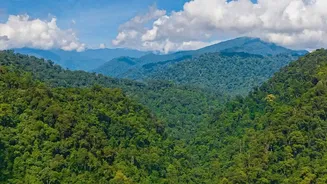
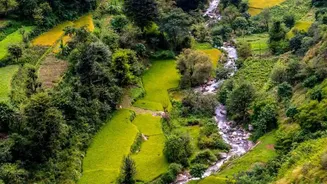
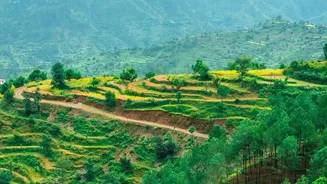
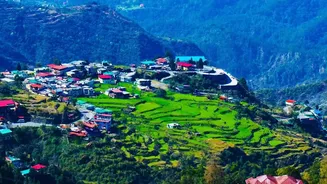
Further east, the monsoon works a different kind of magic. The Dzukou Valley, straddling the border of Nagaland and Manipur, transforms into a lush green carpet. This is the season when its most famous inhabitant, the rare Dzukou Lily, comes into full bloom, dotting the rolling meadows with its delicate pink and white petals. This flower is found nowhere else on Earth. While the trek can be challenging with slippery trails, the reward is a landscape of surreal beauty, often shrouded in a mystical fog, offering solitude and a complete disconnect from the outside world. It’s a trekker’s paradise, where the monsoon reveals the valley's most vibrant and secret season.
The Green Carpet of Assam
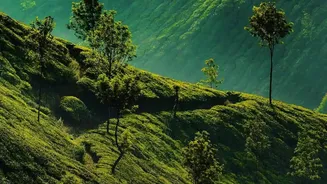
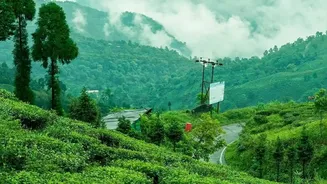
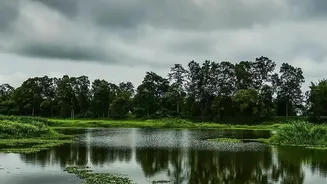
The monsoon breathes new life into the sprawling tea gardens of Assam. The rain washes the leaves to a brilliant, glossy green, creating endless vistas of emerald carpets. While the heavy rains can sometimes pose challenges to production, the humid, warm climate is what gives Assam tea its renowned malty character. Driving through districts like Dibrugarh, the 'Tea Capital of India', offers a serene experience as mist hangs low over the plantations. Beyond the tea estates, the rain rejuvenates the state's national parks and swells the mighty Brahmaputra River, reshaping the landscape and supporting the rich biodiversity of areas like Kaziranga National Park and the river island of Majuli.
A Season of Celebration
The monsoon is not just a natural phenomenon in the Northeast; it's deeply woven into the cultural fabric. This period is tied to the agricultural cycle and celebrated with unique festivals. In Meghalaya, the Pnar tribe celebrates Behdeienkhlam in July, a colourful festival to drive away plague and pray for a bountiful harvest. In Assam, the Ambubachi Mela is held at Guwahati's Kamakhya Temple, a significant event that celebrates fertility and the power of Mother Earth. These festivals, filled with rituals, dance, and community spirit, offer a profound insight into how life in the region is intrinsically linked to the rhythm of the rains.