





Moving Beyond 'Good' vs. 'Bad'
For years, the nutrition world has talked about 'simple' vs. 'complex' carbs. Simple carbs, like sugar, are digested quickly, while complex carbs, like starches and fibre, take longer. This binary, however, is too simplistic. It's more useful to think
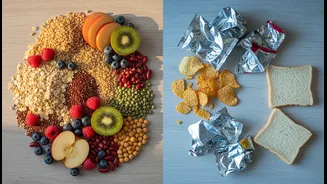
about carbohydrates on a spectrum from whole and minimally processed to highly refined. The closer a carbohydrate is to its natural, unprocessed state—think a whole apple versus apple juice—the more nutritional value it typically retains. This includes fibre, vitamins, and minerals that are often stripped away during industrial processing.
The Problem with Processing
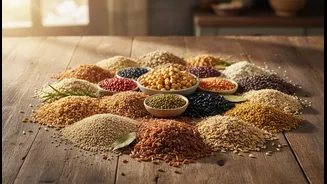
When whole foods are processed or refined, their fundamental structure changes. Take a whole grain of wheat, which contains the fibrous bran, the nutrient-rich germ, and the starchy endosperm. White flour is made by milling the grain and removing the bran and germ, leaving only the starchy endosperm. This process removes the majority of the fibre and many essential nutrients. The body digests these refined carbohydrates very quickly, converting them to glucose and causing a rapid spike in blood sugar and insulin. Over time, a diet high in these types of carbs can contribute to weight gain and increase the risk of conditions like type 2 diabetes.
Fibre: The Carbohydrate Hero
Fibre is a type of carbohydrate that your body cannot digest. Instead of being broken down into sugar molecules, it passes through your system largely intact, playing a crucial role in your health. Soluble fibre, found in oats, beans, and apples, dissolves in water to form a gel-like substance that slows digestion. This helps prevent sharp blood sugar spikes and can lower cholesterol. Insoluble fibre, found in whole grains and vegetables, adds bulk to stool and promotes regularity. A high-fibre diet keeps you feeling fuller for longer, aids in weight management, and supports a healthy gut microbiome.
How to Choose Better Carbs
Making a shift towards better carbs is about making conscious swaps. The goal is not perfection, but progress. Start by reading food labels. Look for bread, pasta, and crackers where the first ingredient listed is a 'whole' grain, like 'whole wheat flour'. Be wary of terms like 'multigrain,' which may just mean multiple types of refined flour. A good rule of thumb is to check the fibre content; a food is considered high in fibre if it contains at least 6g of fibre per 100g. In the produce aisle, prioritize whole fruits and vegetables over juices. When it comes to starchy foods, choose brown rice over white, and potatoes with their skins on.
Building a Fibre-Rich Plate
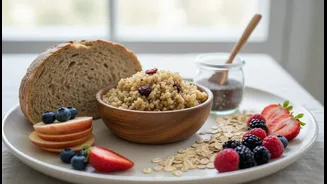
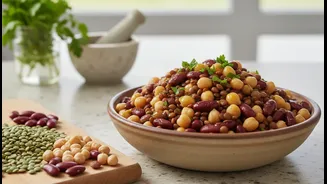
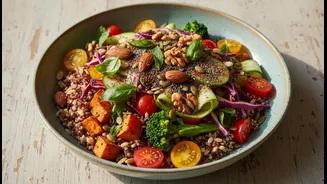
Incorporating more unprocessed, high-fibre carbs into your diet can be delicious and simple. Start your day with a bowl of porridge (oats) topped with berries and nuts. For lunch and dinner, aim to fill half your plate with non-starchy vegetables like broccoli, spinach, and bell peppers. Add legumes like lentils, chickpeas, or beans to your salads, soups, and curries for a boost of both fibre and protein. Snack on an apple with skin, a handful of almonds, or vegetable sticks with hummus instead of reaching for packaged snacks. And remember to increase your fibre intake gradually and drink plenty of water to help your digestive system adjust.