



Why Go Low-Water?
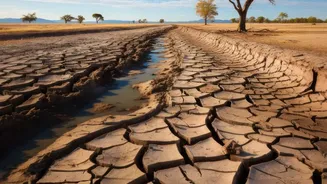
The case for water-wise gardening, also known as xeriscaping, is becoming more urgent across India. Traditional gardens can consume a significant amount of water, a resource that is increasingly scarce in many regions. Adopting a low-water approach isn't
about creating a barren, dry landscape; it's about smart, sustainable design that yields a beautiful garden with numerous benefits. These gardens are low-maintenance, saving you time and effort on daily watering. They are also cost-effective, leading to lower water bills. Furthermore, by choosing drought-tolerant and native plants, you create a resilient garden that can withstand India's fluctuating weather patterns and support the local ecosystem.
Planning Your Water-Wise Oasis
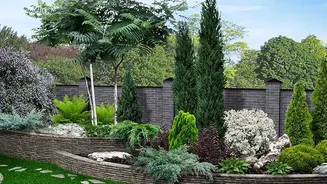
A successful low-water garden begins with a good plan. Before you buy a single plant, observe your space. Understand where you get full sun, where there is partial shade, and how water flows when it rains. The core principle is to group plants with similar water and light needs together. This practice, often called 'hydrozoning', prevents you from overwatering a drought-tolerant plant just because it's next to a thirsty one. Your main seating areas or entryways can feature plants that may need slightly more water (your 'oasis' zone), while the rest of the garden can be populated with hardier, less-demanding species. This thoughtful layout is the foundation of an efficient and thriving garden.
The Foundation: Soil and Mulch
Healthy soil is the cheapest and most effective reservoir you can have. The goal is to create soil that retains moisture without becoming waterlogged. For many Indian gardens, this means amending the soil with organic matter like compost. Compost helps improve the soil's structure and its ability to hold water, delivering it to the roots as needed. The next crucial step is mulching. Applying a thick layer (about 3 inches) of organic mulch like bark chips, straw, or leaves over the bare soil is one of the most effective water-saving techniques. Mulch acts as a blanket, suppressing weeds, keeping the soil cool, and dramatically reducing water evaporation from the surface.
Choosing the Right Plants
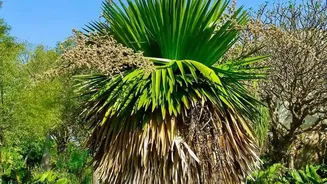
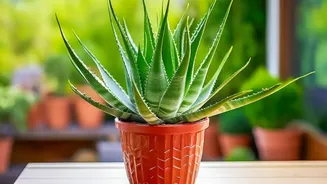
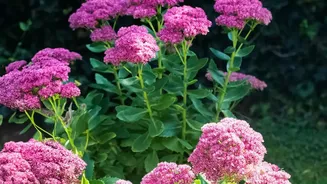
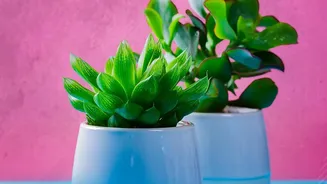
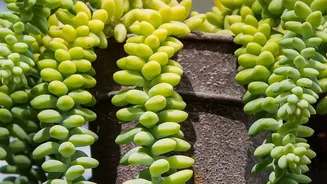
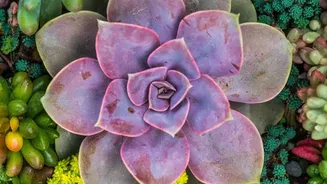
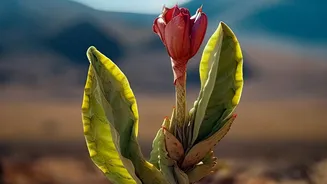
The fun part is selecting plants that are naturally suited to a low-water environment. You don't have to limit yourself to just cacti and succulents. Many beautiful flowering plants, shrubs, and trees thrive with minimal water once established. Look for plants with features that indicate drought tolerance: small, waxy, or silvery leaves, which reduce moisture loss. For the Indian climate, options are plentiful. Bougainvillea, with its vibrant bracts, is famously hardy. Native trees like Gulmohar and Indian Plum (Jamun) provide shade and require less water. Succulents like Aloe Vera, hardy flowering shrubs like Lantana, and fragrant creepers like Madhu Malti are all excellent choices that add colour, texture, and life to the garden.
Watering Smarter, Not Harder
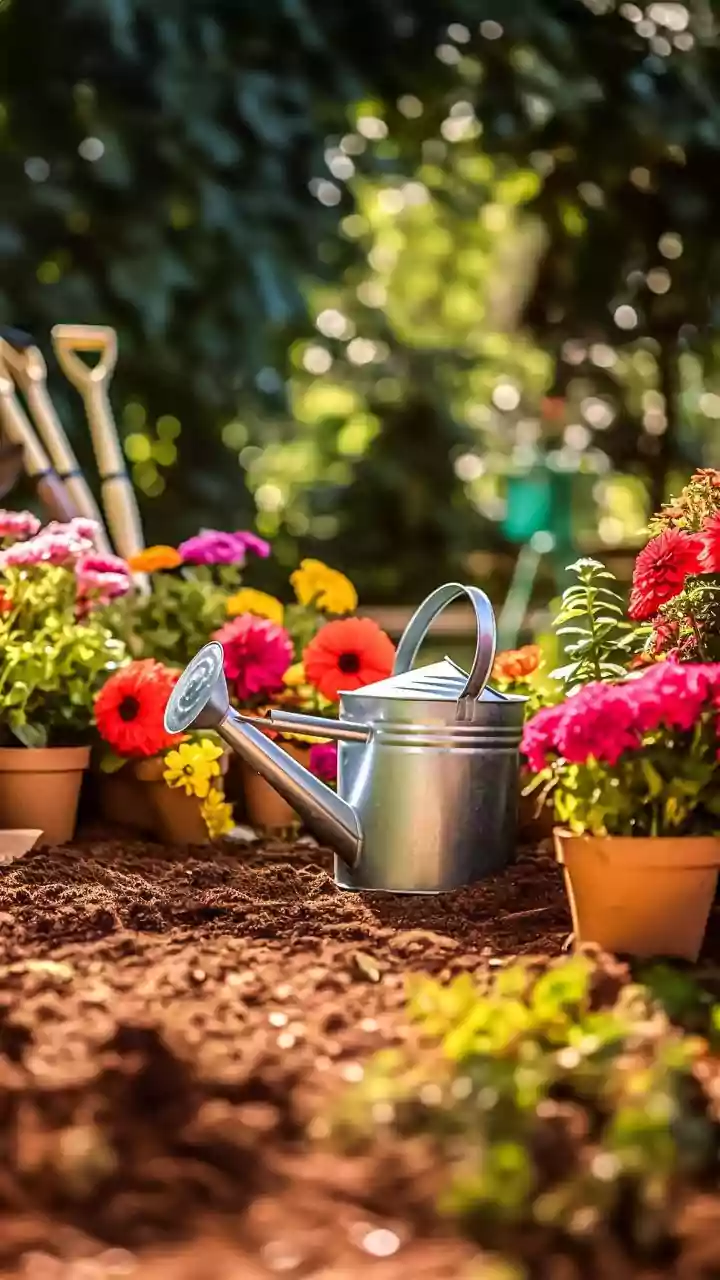
The final piece of the puzzle is changing how you water. Instead of frequent, shallow watering, which encourages shallow roots, the goal is deep and infrequent watering. This encourages plants to develop deep, strong root systems that can better withstand dry periods. Always water at the base of the plant, directly onto the soil, to ensure water gets to the roots where it's needed most, not lost to evaporation on the leaves. The best time to water is in the early morning before the sun gets strong. For maximum efficiency, consider installing a drip irrigation system. These systems deliver water slowly and directly to the root zone, reducing wastage significantly compared to traditional sprinklers or hoses.