








Embrace Warm, Cooked Meals
During the monsoon, our digestive system, or 'agni' in Ayurveda, is considered to be weaker. Cold, raw foods can be harder to digest and may carry a higher risk of contamination from bacteria and germs that thrive in humid conditions. This is the perfect
time to switch from raw salads and juices to warm, freshly cooked meals. Think comforting bowls of dal, light vegetable curries, and hearty soups. Steaming and boiling are excellent cooking methods as they kill microbes and make food easier for your body to process. A simple, well-cooked meal is not only nourishing but also provides a sense of comfort on a rainy day.
Boost Your Immunity with Spices
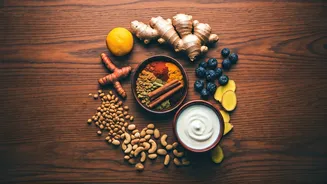
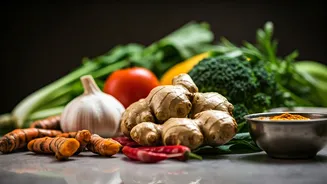
Indian kitchens are a treasure trove of immunity-boosting spices, and the monsoon is the ideal time to use them generously. Spices like turmeric (haldi), ginger (adrak), garlic (lehsun), and black pepper (kali mirch) have powerful anti-inflammatory and antibacterial properties. Start your day with ginger tea, add a pinch of turmeric to your milk or dals, and use garlic in your cooking. These spices not only add flavour but also help your body fight off common monsoon infections like colds and the flu. A warm cup of 'kadha', an Ayurvedic decoction of herbs and spices, can also be a great addition to your daily routine.
Be Cautious with Leafy Greens
While leafy green vegetables are nutritional powerhouses, they can be risky during the monsoon. The dampness and mud make them prone to contamination with dirt, worms, and bacteria. If you do choose to eat them, be extremely careful. Avoid buying them from street vendors where hygiene might be questionable. Wash them thoroughly in clean water, perhaps with a bit of salt or vinegar, and then cook them well. It’s generally safer to opt for vegetables like bottle gourd (lauki), bitter gourd (karela), and pointed gourd (parwal), which have thicker skins and are less likely to be contaminated.
Hydrate Smartly, Not Just With Water
It's easy to drink less water when you're not feeling as hot, but staying hydrated is crucial for flushing out toxins and maintaining good health. However, be vigilant about the source of your water. Always drink boiled, filtered, or purified water to avoid waterborne diseases like typhoid and cholera. Besides plain water, you can include warm herbal teas in your diet. Teas infused with tulsi, ginger, or lemon not only contribute to your fluid intake but also provide additional health benefits, from soothing a sore throat to aiding digestion. Avoid carbonated drinks and excessive caffeine, as they can dehydrate you.
Go Light on Fried and Oily Foods
The craving for hot pakoras and samosas with chai is almost synonymous with a rainy day. While indulging once in a while is fine, making it a habit can be detrimental to your health. The humid weather slows down our digestion, and heavy, oily foods can lead to bloating, indigestion, and acidity. These foods can also put a strain on your already taxed digestive system. Opt for healthier snacks like roasted corn (bhutta), steamed momos, or a simple homemade bhel. If you must have something fried, ensure it's made at home in clean, fresh oil.
Choose Your Fruits Wisely
Fruits are an essential part of a healthy diet, but be selective during the monsoon. Opt for seasonal fruits like pomegranates, apples, pears, and plums. These fruits are rich in antioxidants and help boost your immunity. It’s best to avoid pre-cut fruits sold by street vendors as they are highly susceptible to contamination. Also, be careful with water-heavy fruits like watermelon and muskmelon, as they can cause bloating if your digestion is weak. Always wash your fruits thoroughly before peeling and eating them.