







The Undeniable Grocery Triumph
Quick commerce cracked the code with groceries. The model, built on a network of 'dark stores' or micro-warehouses in dense urban areas, thrived by catering to urgent, top-up needs. Running out of milk, onions, or snacks became a problem solvable in minutes.
This high-frequency, need-based consumption pattern made groceries the perfect category for instant delivery. The basket of items was predictable, inventory was manageable, and the sheer volume of orders in a small radius helped make the brutal unit economics work, or at least seem workable with enough scale. Platforms like Blinkit, Zepto, and Swiggy Instamart became an integral part of urban life by mastering the art of delivering daily essentials at speed.
The Allure of Everything, Instantly
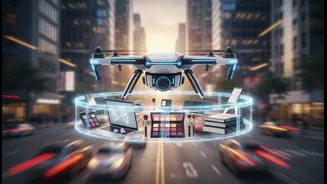
Buoyed by their success in groceries and armed with massive venture capital funding, these platforms logically looked for the next frontier: non-grocery items. The catalogue rapidly expanded to include electronics, beauty products, apparel, toys, and even small home appliances. The strategic thinking was clear: if a customer trusts you for their daily bread, they might also trust you for a new pair of headphones or a last-minute birthday gift. The goal is to capture a larger share of the consumer's wallet and become the default app for any immediate purchase, moving from a simple fulfilment channel to a comprehensive consumption platform.
The Unit Economics Puzzle
This is where the model starts showing cracks. The economics of delivering a ₹300 grocery order are already challenging; the economics of delivering a single ₹500 USB cable or a ₹1,000 t-shirt are often worse. While the ticket size is higher, the margins on many electronics are thin, and the sales volume is significantly lower than for milk or bread. Profitability in quick commerce hinges on a high volume of orders from a single dark store to cover fixed costs like rent, electricity, and staff salaries. Groceries provide this density. A sporadic order for a phone charger does not. Each delivery has a fixed cost for picking, packing, and the rider's time, and if the order value or margin isn't high enough, the company loses money on every transaction.
A Logistical and Inventory Nightmare
Beyond costs, the operational complexity skyrockets. A dark store for groceries can be optimised for a few hundred high-turnover products. A dark store that also stocks electronics, apparel, and cosmetics needs to manage thousands of different SKUs (Stock Keeping Units). This creates an inventory nightmare. How many sizes of a particular t-shirt should a store stock? What about different colours of the same lipstick? This complexity increases the risk of holding dead stock that doesn't sell and ties up capital. Furthermore, the handling and return logistics for these items are far more complicated than for groceries. Fashion items have notoriously high return rates—up to 40% in e-commerce—as customers effectively use delivery for a home trial. This reverse logistics cost is something the quick commerce model is ill-equipped to handle efficiently.
The Unproven Consumer Demand
The final, and perhaps most important, piece of the puzzle is genuine consumer need. While the convenience is appreciated, how often does a consumer genuinely need a new electronic gadget or an article of clothing delivered in under 15 minutes? The demand for groceries is driven by real, recurring needs. The demand for instant delivery of non-essentials is often more of a novelty or an impulse purchase. While platforms are trying to create this habit, it is yet to be proven that a large segment of the population is willing to consistently prioritise speed over a wider selection or better prices offered by traditional e-commerce for these categories. The urgency just isn't the same.