




1. Roasted Bhutta (Corn on the Cob)
A quintessential sight on rainy streets across India, bhutta is perhaps the most iconic monsoon snack. This humble corn on the cob is traditionally roasted over hot coals until the kernels are tender and lightly charred, then rubbed vigorously with a mixture
of salt, chilli powder, and a squeeze of fresh lime. This process infuses the corn with a smoky, spicy, and tangy flavour profile that is incredibly satisfying. You can easily replicate this at home by roasting the corn directly over a gas stove flame or in an oven. It’s a naturally healthy option that’s low in fat and high in fibre, delivering all the comfort of a warm snack with none of the guilt. The simplicity of roasted bhutta is its genius, offering a warm, satisfying bite that perfectly complements the cool, damp weather.
2. Steamed Gujarati Khandvi
From the state of Gujarat comes Khandvi, a delicate and savoury snack that is as beautiful as it is delicious. Made from a smooth batter of gram flour (besan) and buttermilk or yogurt, this dish is entirely steamed, making it exceptionally light. The batter is cooked to a specific consistency, spread thinly, and then rolled into tight, bite-sized scrolls. These soft, melt-in-your-mouth rolls are then topped with a simple tempering of mustard seeds, curry leaves, and sometimes a garnish of grated coconut and fresh coriander. The result is a tangy, mildly spiced snack that is both refreshing and filling without a drop of heavy oil involved in the main cooking process. Khandvi proves that snacks can be sophisticated, healthy, and deeply satisfying all at once.
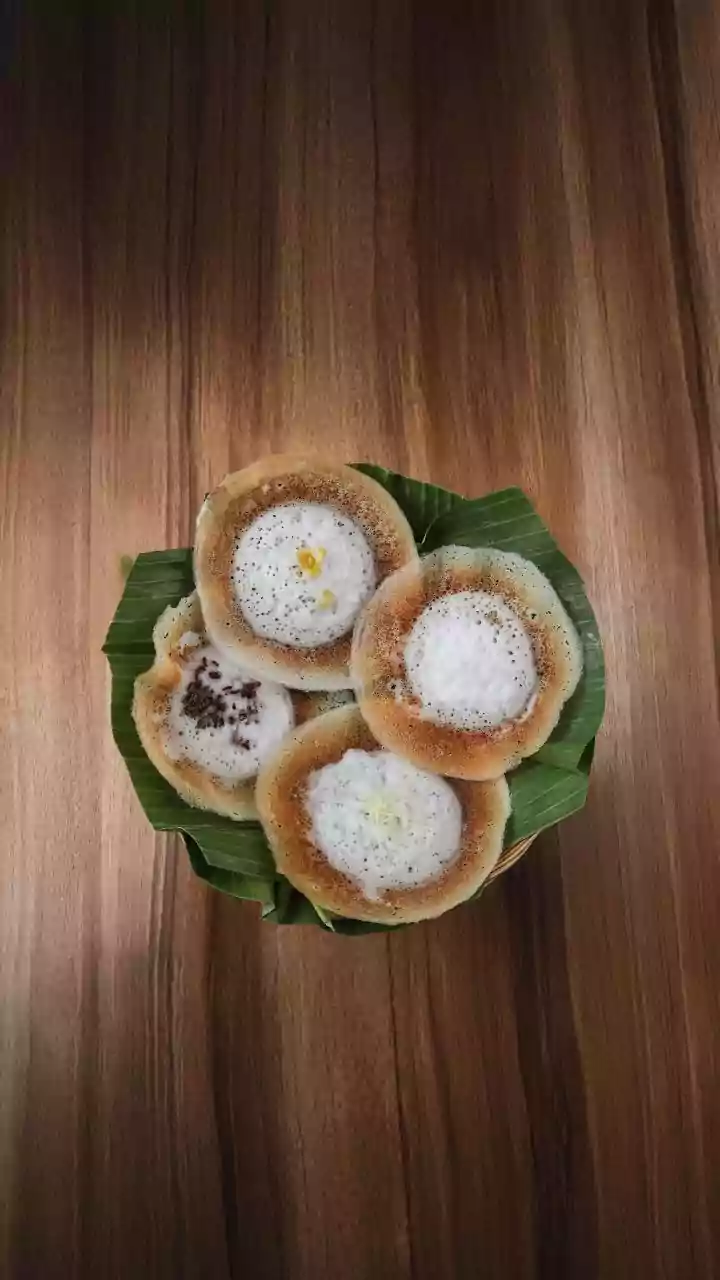
3. South Indian Kuzhi Paniyaram
Kuzhi Paniyaram, also known as appe, is a popular South Indian snack made from a fermented batter similar to that used for idli and dosa. What makes this snack a fantastic low-oil option is the special pan it's cooked in. The paniyaram pan has multiple small, round indentations. A few drops of oil are added to each mould, and then the batter, often seasoned with chopped onions, green chillies, and ginger, is spooned in. The pan is covered, allowing the paniyaram to steam and cook through, forming a crispy, golden-brown exterior while remaining soft and fluffy on the inside. This method provides the satisfying crunch of a fried snack but uses a fraction of the oil, making it a much healthier alternative for your monsoon cravings.
4. Steamed Patra or Alu Vadi
Popular in both Gujarat (as Patra) and Maharashtra (as Alu Vadi), this is a uniquely flavourful snack made from colocasia leaves. The preparation involves smearing the leaves with a thick, spiced paste of gram flour, tamarind, jaggery, and ginger-chilli paste. The leaves are then stacked, rolled into a tight log, and steamed. Steaming cooks the leaves and the gram flour paste, melding the sweet, sour, and spicy flavours together. Once steamed, the log is sliced into rounds. While some traditions then shallow-fry these slices for extra crispness, they are perfectly delicious and ready to eat right after steaming. This method keeps the snack wonderfully low in oil while offering a complex taste and texture that is hard to resist.
5. Bengali Ghugni
Hailing from Eastern India, particularly Bengal, Ghugni is a hearty and wholesome snack made from dried yellow or white peas. This dish is a savoury curry, but it is often enjoyed as a standalone snack, especially during the evenings. The peas are soaked and then boiled until soft before being simmered in a lightly spiced gravy of onions, ginger, garlic, and tomatoes. It is naturally low in fat and rich in protein and fibre, making it a very filling and nutritious option. Ghugni is typically served hot, garnished with chopped raw onions, green chillies, coriander, and sometimes a squeeze of lime. It provides the warmth and robust flavour you crave on a rainy day, proving that a satisfying snack can also be nourishing and substantial.