



A Landmark Welcome to Southeast Asia
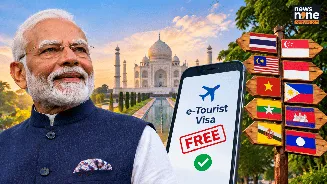
In a major diplomatic and economic outreach, Indian Prime Minister Narendra Modi announced the proposal to extend no-fee tourist e-visas to every member of the Association of Southeast Asian Nations (ASEAN). The plan, unveiled during the 23rd India-ASEAN
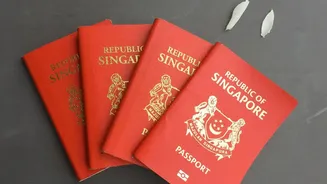
Summit in Manila, is set to benefit travellers from Brunei, Cambodia, Indonesia, Laos, Malaysia, Myanmar, the Philippines, Singapore, Thailand, Vietnam, and Timor-Leste. While some ASEAN countries already enjoy certain visa fee waivers, this move would standardise the benefit across the entire bloc, creating a seamless and more affordable travel experience for a region with a combined population of hundreds of millions. The initiative signals a clear intention to open India's doors wider than ever to its eastern neighbours, prioritising people-to-people connections as a cornerstone of its foreign policy.
How the No-Fee E-Visa Will Work
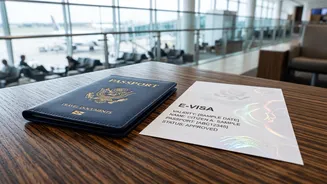
It is important to understand that the proposal is for a 'no-fee' e-visa, not 'visa-free' travel. Eligible tourists will still need to apply online for an Electronic Travel Authorization (ETA) before their journey through the official government portal. The 'no-fee' aspect means the government's visa fee, which can range from US$10 to US$25 for a 30-day visa, would be waived. Travellers should, however, anticipate that a small, non-refundable bank transaction or processing fee may still apply, as is standard with online government services. While the government has not yet announced an official implementation date or detailed the specific visa validities that will be covered, the process is expected to follow the existing e-visa framework: apply online, upload a photo and passport copy, receive the ETA via email, and present a printout upon arrival in India. Currently, several ASEAN members already qualify for a free 30-day tourist e-visa, and this plan would expand that benefit to the entire group.
More Than Tourism: A Strategic Move
This visa initiative is a key component of India's 'Act East' policy, which evolved from the 'Look East' policy of the 1990s and aims to deepen economic and strategic relations with Southeast Asia. Prime Minister Modi's announcement is part of a broader push to consolidate this policy, framing it around the '3Cs' of Commerce, Culture, and Connectivity. By removing the financial barrier of a visa fee, India hopes to foster greater cultural exchange, strengthen people-to-people ties, and showcase its soft power. Tourism is a powerful tool for diplomacy, and making it easier for students, families, and leisure travellers from ASEAN nations to visit helps build long-term goodwill and mutual understanding, which are crucial for regional stability and cooperation. This move complements other strategic proposals, including collaborations in maritime security, disaster management, and critical minerals.
An Economic Boost for Local Businesses
Beyond the diplomatic gains, the economic implications are substantial. Visa liberalisation is a proven strategy for increasing international tourist arrivals, with estimates suggesting it can boost numbers by 5 to 25 percent. With global travel rebounding, attracting a larger share of the ASEAN tourism market is a strategic priority for India. In 2025, India received over 800,000 visitors from ASEAN countries, and this new policy is poised to drive that number significantly higher. An influx of tourists translates directly into increased foreign exchange earnings and a major boost for the hospitality, aviation, and transportation sectors. Moreover, it provides vital support to local economies, creating jobs for artisans, tour guides, and small business owners across the country's vast and diverse tourism landscape. Foreign tourists also tend to spend more and stay longer than domestic travellers, maximising the economic benefit of each visit.
What Awaits ASEAN Travellers
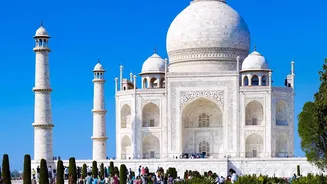
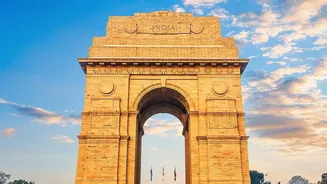
For the average traveller from Southeast Asia, this policy change makes exploring India more accessible and affordable than ever before. The simplified and cost-free e-visa process removes a significant hurdle, encouraging spontaneous trips and longer holidays. From the historical wonders of the Golden Triangle to the serene backwaters of Kerala and the spiritual centres along the Ganges, India offers a breadth of experiences that strongly appeal to the cultural and historical interests of many in the ASEAN region. The shared Buddhist heritage, in particular, creates a powerful link, with pilgrimage sites in India being a major draw. This move effectively rolls out a welcome mat, inviting neighbours to discover the richness of Indian culture, cuisine, and geography without the barrier of a visa fee, strengthening the bonds of friendship and shared heritage that connect India to Southeast Asia.