
A Classic Storage Solution Reimagined
Once a staple in homes before refrigeration, the kitchen larder is experiencing a significant revival. Historically, a larder was a cool room or large cupboard for storing perishable foods. Today, the term describes a tall, standalone cabinet designed
to store everything from dry goods and spices to small appliances. This return to favour is driven by a desire for better organisation and a move away from stark, minimalist kitchens. A freestanding larder adds character and acts as a beautiful piece of furniture, all while providing immense practical value by keeping everyday essentials neatly tucked away. It transforms the kitchen into a calmer, more efficient space.
The Freedom of Freestanding Design
Unlike built-in pantries, which are permanent fixtures, freestanding larders offer unmatched flexibility. They can be moved and repositioned as your needs change, making them an ideal choice for renters or those who like to refresh their home layout. This adaptability allows you to place your storage exactly where you need it most—next to the fridge for easy meal prep, in a dining area for serving ware, or in a corner to maximise an awkward space. Because they are finished on all sides like a piece of furniture, they integrate seamlessly into a room, offering a lighter, less imposing look than wall-to-wall fitted cabinetry.
Inside the Modern Flexible Larder
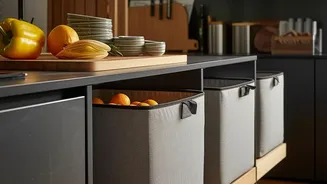
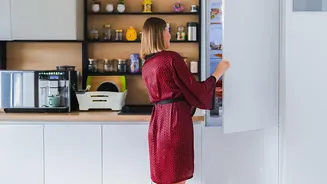
Today's larders are marvels of interior organisation. The key to their flexibility lies in customisable features that can be tailored to your specific lifestyle. Common elements include adjustable shelves to accommodate items of various heights, deep drawers for heavy bags of flour or potatoes, and integrated spice and bottle racks on the inside of the doors. Many modern designs also incorporate pull-out baskets for produce, dedicated wine racks, and even hidden compartments or integrated coffee stations complete with power outlets. This thoughtful internal design means every item has a designated home, making meal prep more efficient and keeping your main kitchen surfaces clear and uncluttered.
Choosing the Right Larder for Your Home
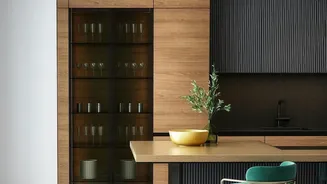
When selecting a freestanding larder, consider three main factors: size, style, and material. Measure your available space carefully, remembering that these units use vertical height to their advantage. Style is a personal choice; options range from classic wooden designs that add warmth, to minimalist units with fluted glass doors for a contemporary feel, or even vintage-inspired pieces with distressed finishes. Materials like wood offer a timeless charm, while stainless steel or simple painted finishes can provide a more modern, professional look. The goal is to find a piece that not only meets your storage needs but also complements your existing kitchen decor, either by blending in or serving as a statement piece.
Tips for Maximum Organisation
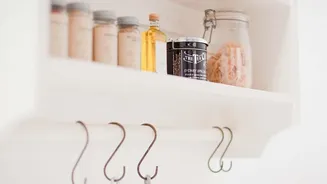
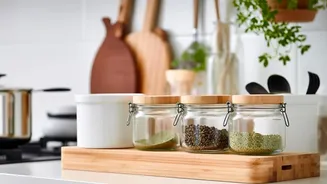
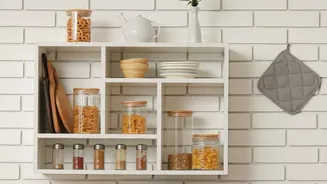
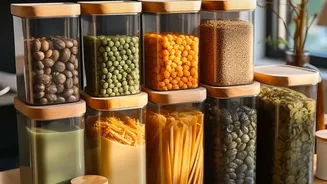
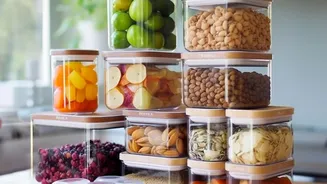
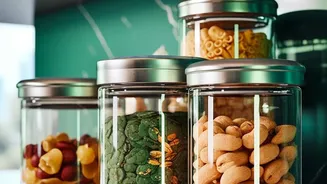
Once you have your larder, smart organisation is key to making the most of it. Group like items together—create zones for baking supplies, breakfast foods, snacks, and grains. Use clear containers to decant items like pasta, rice, and flour; this not only looks tidy but also allows you to see at a glance when you're running low. Place everyday essentials on shelves at eye level for easy access, with heavier or less-used items stored on lower shelves. Utilise the door racks for smaller jars and spices that can easily get lost in a deep cupboard. With a well-organised larder, you'll find that everything has its place, streamlining your daily kitchen routines.