





The Fury of a Monsoon River
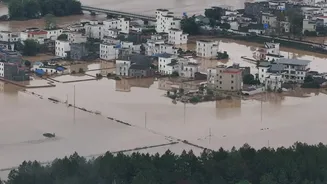
During the monsoon, the ground becomes saturated with water. As relentless rain continues, the soil along river banks loses its structural integrity. At the same time, the volume and velocity of the river water increase dramatically. This combination
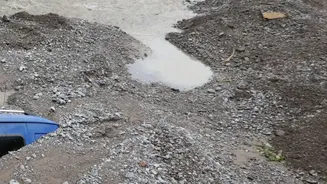
exerts immense lateral pressure on the banks. When the force of the water exceeds the soil's ability to hold its shape, the bank collapses. This is a bank breach, and it leads to river water surging into urban areas, causing widespread flooding, damaging property, and threatening lives. Factors like encroachment on floodplains and sand mining exacerbate this problem by further weakening the natural riverine ecosystem.
An Engineering Guardian
At its core, a retaining wall is a structure designed to resist the lateral pressure of soil and water. It acts as a formidable barrier, physically holding the riverbank in place and preventing the soil from being washed away. But a wall's strength isn't just about blocking water. A critical design feature is drainage. Without proper drainage systems like weep holes or permeable backfill, hydrostatic pressure—the force of trapped water—can build up behind the wall and cause it to fail. So, a well-designed retaining wall both holds back earth and manages water, providing a two-pronged defence against erosion and collapse.
A Wall for Every Waterway
Retaining walls are not one-size-fits-all. In urban India, several types are used, each with specific advantages. Poured concrete and concrete block walls are common due to their strength and durability. For a more environmentally integrated approach, gabion walls are increasingly popular. These are wire mesh cages filled with rocks. Their key benefit is permeability; water can flow through them, which naturally relieves hydrostatic pressure and makes them excellent for riverbanks. The Sabarmati Riverfront in Ahmedabad, for example, successfully used a combination of diaphragm walls and reinforced soil technology to reclaim land and protect against floods. Newer 'green wall' systems even incorporate vegetation, merging engineering with ecology.
Benefits Beyond Flood Control
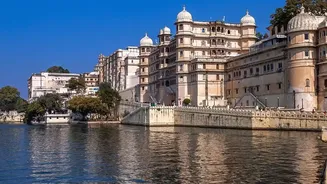
The purpose of a retaining wall extends beyond just preventing disaster. In crowded urban landscapes, these structures are key to riverfront development projects. By stabilising the banks, they reclaim valuable land that can be transformed into public spaces like promenades, parks, and recreational facilities, reconnecting the city's population with its river. The Sabarmati Riverfront Project reclaimed approximately 185 hectares, creating a vibrant public space along the water. These walls also help define the river's channel, preventing encroachment and ensuring a smoother, more predictable flow, which can be crucial in densely populated areas.
The Other Side of the Wall
Despite their benefits, hard-engineered retaining walls are not without criticism. Environmental groups often point out that concrete walls can destroy natural riparian habitats—the lush ecosystems along riverbanks that support biodiversity. By channelling water and increasing its flow speed, they can sometimes worsen erosion downstream. These projects are also immensely expensive and can lead to the displacement of communities living along the riverbanks. This has led to a growing conversation about alternative, 'soft-engineering' approaches. These nature-based solutions, like planting deep-rooted grasses and restoring wetlands, aim to work with the river's natural processes rather than building against them, offering a more ecologically sensitive way to manage erosion and flood risk.