






The Soaring Cost of a Kitchen Staple
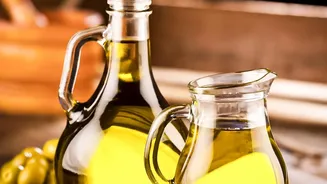
Across the country, households are feeling the pinch as the cost of edible oils continues its upward trend. Prices for essentials like sunflower, palm, and soya oil have increased by as much as 20% over the last year. This surge comes just as families
begin planning for the festive season, a time when oil consumption typically peaks due to the preparation of countless sweets, snacks, and savoury dishes. The price hike isn't just a minor inconvenience; it directly impacts the household budget, forcing many to reconsider their festive menus and spending habits. This increase is a significant part of a broader rise in food inflation that has been noted in recent months.
Global Factors Driving Local Prices
The reasons for the expensive cooking oil are complex and largely international. India is the world's biggest importer of vegetable oils, sourcing nearly two-thirds of its demand from countries like Malaysia, Indonesia, Argentina, and Russia. This heavy reliance means global events have a direct impact on prices in our local markets. A combination of factors is at play: geopolitical conflicts have disrupted supply chains and increased freight costs, while extreme weather events linked to El Niño have affected crop yields in key producing regions. Furthermore, major palm oil suppliers like Indonesia and Malaysia are diverting more of their stock to produce biodiesel, reducing the amount available for export as food oil and tightening the global supply.
Government Action and Market Outlook
The Indian government is aware of the pressure on household budgets and is reportedly considering measures to provide relief. One of the primary options being discussed is a cut in import duties on vegetable oils, a move intended to bring down domestic prices ahead of the festive rush. Officials are navigating a delicate balance: providing relief to consumers without hurting the interests of domestic oilseed farmers who benefit from higher prices. A similar duty cut in May 2025 did not fully translate to lower consumer prices as global rates moved higher, showing that such interventions are not always a guaranteed fix. Experts suggest any new duty cut may be modest, aiming for a balance between consumer and farmer interests.
Smart Cooking to Stretch Your Rupee
While we can't control global prices, we can adopt smarter kitchen practices to make every drop of oil count. Consider altering your cooking methods for some dishes; baking, air-frying, or steaming can offer healthier and more economical alternatives to deep-frying. When frying is a must, don't overheat the oil, as it breaks down faster at very high temperatures. Ensure your pan is at the optimal cooking temperature before adding food to reduce absorption. It is also possible to reuse frying oil, especially for similar types of food. Allow the oil to cool completely, strain it through a fine sieve or cheesecloth to remove food particles, and store it in a clean, airtight container away from light. You can typically reuse oil a few times before it needs to be discarded.
Plan Your Festive Menu Wisely
Strategic menu planning can make a significant difference in your oil consumption. Instead of a spread composed entirely of fried items like puris, pakoras, and samosas, create a balanced menu. Incorporate dishes that require little to no oil, such as steamed dhokla, idlis, or baked vegetable cutlets. When making sweets, explore recipes for barfis, laddoos, or kheer that rely more on ghee, milk, and sugar rather than deep-frying. Planning ahead allows you to enjoy the festive spirit and its associated culinary delights without the financial strain of unexpectedly high grocery bills. By balancing traditional fried favourites with other cooking styles, you can create a diverse and delicious spread that is kinder to your wallet.