
From Crowded Cities to Quiet Coasts
For years, the measure of a great trip was a packed itinerary: museums, landmarks, and bustling streets from dawn till dusk. Today, a growing number of travellers are redefining what it means to get away. Instead of seeking stimulation, they are seeking stillness.
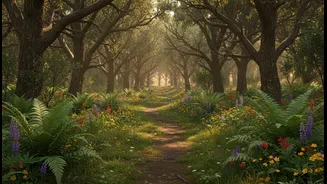
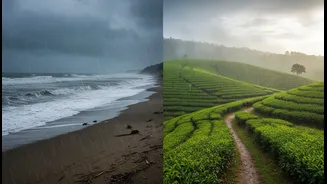
This has led to a significant shift away from dense urban centres toward serene landscapes like misty hills, quiet forests, and untouched coastlines. Destinations in India such as the pine forests of Himachal, the tea gardens of Munnar, and the serene backwaters of Kerala are seeing a surge in interest. This is not just a fleeting trend but a deeper response to the pressures of modern, screen-saturated lives, where traffic, noise, and crowds can leave travellers feeling more exhausted than refreshed.
The Science of Natural Serenity
The pull towards nature is backed by a growing body of scientific research. Studies consistently show that spending time in natural environments has profound benefits for mental and physical health. Exposure to nature is proven to reduce levels of cortisol, the body's primary stress hormone. This simple act can help lower blood pressure, improve mood, sharpen focus, and even lead to better quality sleep. In a world where anxiety and burnout are on the rise, nature offers a powerful, accessible remedy. It's why activities like 'forest bathing' (Shinrin-yoku) and mindful walks have moved from niche practices to mainstream wellness strategies. For many, a trip to the mountains or a trek through a national park is no longer just a holiday—it's a form of essential self-care.
A Digital Detox by Default
One of the most appealing aspects of a nature escape is the built-in opportunity to disconnect from the digital world. While cities keep us tethered to our devices with constant connectivity and notifications, many natural destinations offer a welcome respite. This 'digital detox' is becoming a key motivator for younger travellers in particular, who are choosing quiet trails over loud nightlife. Instead of scrolling through feeds, they are watching sunsets, listening to birdsong, and reconnecting with their surroundings and themselves. This deliberate move away from screens allows for a different kind of presence—a chance to slow down, breathe deeply, and engage the senses in a way that our daily routines often prevent. It's about trading screen time for real-world experiences and finding a sense of balance that feels increasingly rare.
The Rise of Conscious and Sustainable Travel
This trend is also closely linked to a greater awareness of travel's environmental and social impact. More travellers are actively seeking holidays that are not only good for them but also good for the planet and local communities. Eco-tourism and sustainable travel are booming, with the global market projected to grow significantly. In India, this is reflected in a preference for eco-resorts, community-run homestays, and destinations that promote responsible tourism. This conscious choice is about more than just reducing a carbon footprint; it's about seeking authenticity and making a positive contribution. Travellers want to understand the places they visit, connect with local culture, and feel that their presence is beneficial, not extractive.
What the Modern Nature Escape Looks Like
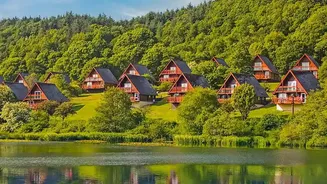
The modern nature escape is wonderfully diverse. It's no longer limited to rustic camping or strenuous, multi-day treks. Today, it includes everything from staying in luxurious eco-lodges and farm stays to trekking and wildlife spotting in places like Leh and Nagaland. Accommodation search data reveals a sharp increase in interest for destinations known for their natural beauty and outdoor activities. Families are finding that nature-based trips offer a unique way to reconnect, sharing experiences like canoeing or guided wildlife tours rather than splitting up for separate activities. Whether it's a weekend of glamping, a yoga retreat in the mountains, or simply a few days by a quiet lake, the goal is the same: to disconnect from the noise and reconnect with something more fundamental.