






What the New Advisory Says
Southern Railway, in a directive aimed at improving passenger experience and safety, has instructed its divisions to use public address systems to educate and caution travellers. The focus is on curbing behaviours that cause nuisance and endanger lives.
The announcements, to be made in regional languages, Hindi, and English, explicitly warn that certain actions will now attract legal consequences under the Railways Act. This isn't just about etiquette; it's about enforcing the law, with railway authorities like the Railway Protection Force (RPF) and ticket examiners being authorised to take action. The initiative follows numerous passenger complaints filed through official channels like Rail Madad.
The Warning: Nuisance and Annoyance
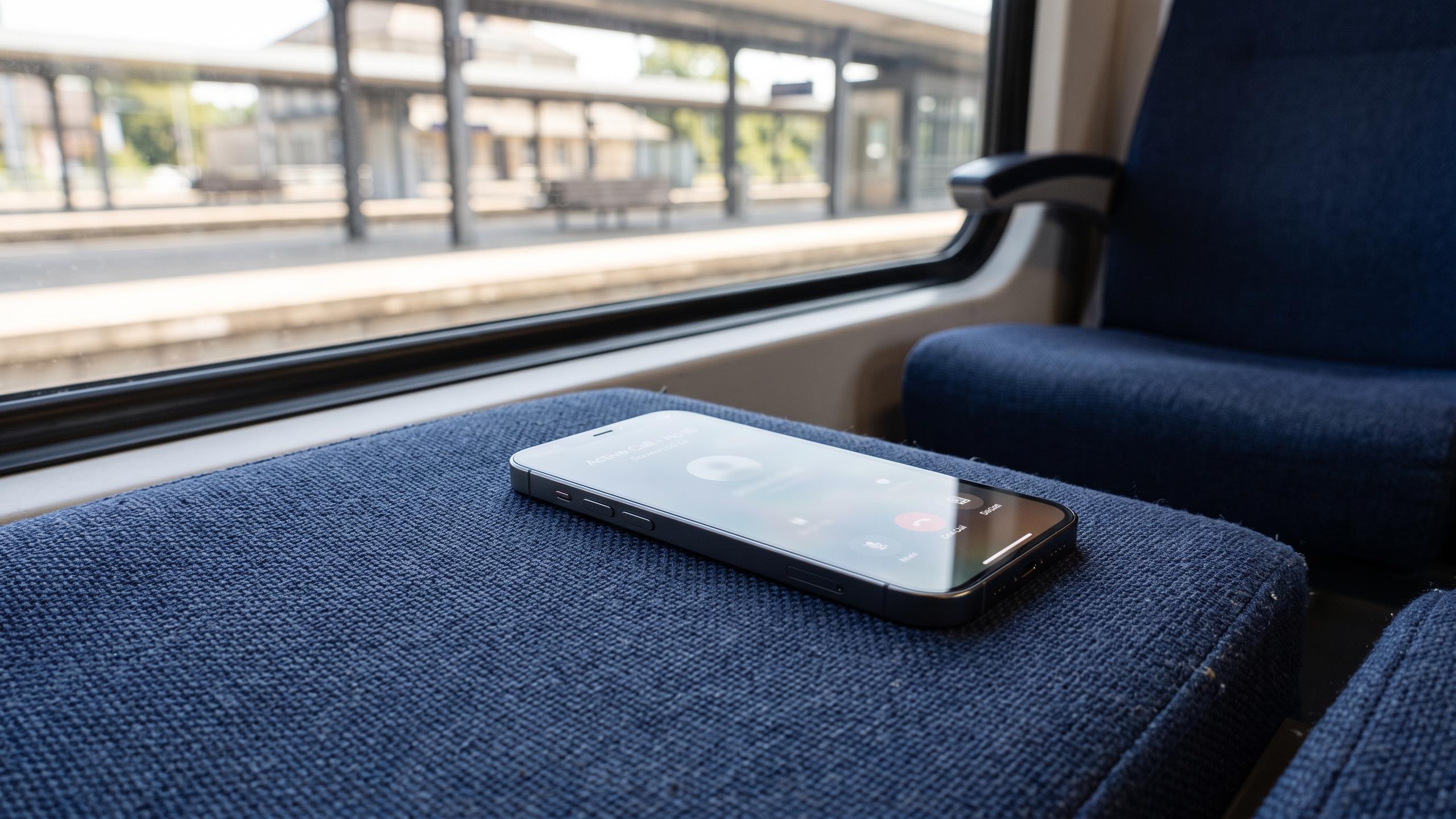
The first level of enforcement targets acts of public nuisance. This primarily includes playing music or videos on a mobile phone's speaker and engaging in loud, disruptive phone conversations. For years, this has been a common complaint, especially in reserved coaches on long-distance journeys. Under the new push, if you're found causing such a disturbance, you will likely receive a stern warning first. The advisory aims to sensitise passengers, urging them to use earphones as a basic courtesy. However, ignoring this can lead to penalties under Section 145 of the Railways Act, which deals with drunkenness or nuisance.
Crossing the Line to Prosecution
The line between a warning and immediate prosecution is drawn at safety. Offenses that directly endanger your life or the lives of others will not be met with a simple caution. These major violations are subject to prosecution under various sections of the Railways Act, 1989. The most critical offenses include trespassing on railway tracks and travelling on the footboard, roof, or engine of a train. Trespassing is a punishable offense under Section 147 of the Railways Act, carrying a penalty of up to six months in jail and a fine of ₹1,000. Similarly, dangerous footboard travel is covered under Section 156, with punishments including imprisonment for up to three months and a fine of ₹500.
Why the Stricter Stance Now?
This renewed focus on enforcement stems from two key factors: passenger comfort and safety. The widespread availability of mobile internet has led to a surge in people playing media loudly in public spaces, prompting a flood of complaints from inconvenienced travellers. More critically, accidents resulting from trespassing and footboard travel remain a serious concern for Indian Railways. By clarifying the penalties, Southern Railway aims to create a stronger deterrent. The legal framework has also been reinforced with amendments like the Jan Vishwas (Amendment of Provisions) Act, 2026, giving authorities clearer legal backing to penalise offenders and ensure a safer, more pleasant journey for everyone.
What Prosecution Actually Means
For offenses like creating a nuisance, the initial penalty might be a fine up to ₹1,000. However, if a passenger continues to cause a nuisance despite warnings, or commits a serious safety violation, the consequences escalate. Prosecution means being apprehended by the Railway Protection Force (RPF) and facing legal proceedings. For trespassing, this could be imprisonment for up to six months, a fine of ₹1,000, or both. For continued nuisance, penalties can also include imprisonment. The goal of the advisory is to make passengers understand that these are not empty threats but established legal provisions that will now be enforced more rigorously.