






The allure of a homemade scented candle is undeniable. It promises a cozy ambiance and a personal touch. But this rewarding craft involves hot wax and flammable materials, making safety the most crucial ingredient for a successful project.
Understanding the Risks of Hot Wax
Candle making
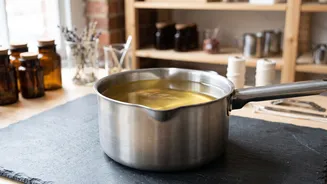
is fundamentally about melting and pouring wax, which holds heat much like cooking oil. A spill can cause serious burns. The primary goal is to melt the wax evenly and without scorching it, which requires controlled, indirect heat. The safest and most recommended method for beginners is a double boiler. You can easily create one by placing a smaller heat-safe pouring pot inside a larger saucepan filled with a few inches of water. Never melt wax directly in a pot on a stove burner, as this can create dangerous hot spots and lead to overheating. You should also never leave melting wax unattended. A moment of distraction is all it takes for the temperature to rise to unsafe levels. If wax ever does catch fire, never use water to extinguish it; this will only spread the flames. Instead, smother the fire with a metal lid.
Your Safety-First Toolkit
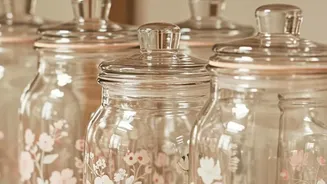
Having the right equipment is essential for a safe and enjoyable process. While you can start with a few kitchen items, some tools are non-negotiable. First and foremost is a digital probe thermometer. Guessing temperatures is a common beginner mistake that can ruin your candle and create hazards. You'll also need a digital scale for accurate measurements of wax and fragrance oil. For melting, a dedicated pouring pitcher and a double boiler setup are key. Choose heat-safe containers for your candles, like glass jars or metal tins, ensuring they can withstand the temperature of hot wax. To secure your wicks, use wick stickers and a centering tool or clothespins; hot glue is not a safe substitute as it can melt when you pour the wax. Finally, protect yourself and your workspace by wearing an apron and covering surfaces with newspaper.
Mastering Temperature Control
Temperature is everything in candle making. It determines how well your fragrance blends, how smoothly your candle sets, and ultimately, how safely it burns. Different waxes have different ideal temperatures, so always check the manufacturer's recommendations. For most soy waxes, a popular choice for beginners, you'll melt the wax to around 80-85°C (176–185°F). Adding fragrance oil at the right temperature is critical. If the wax is too hot (often above 95°C), it can 'burn off' the delicate scent notes of your oil. If it's too cool, the oil won't bind properly with the wax, leading to a weak scent and potential 'sweating', where the oil leaches out. A good rule of thumb for many soy waxes is to add fragrance around 85°C (185°F), then stir gently for two full minutes to ensure it's fully incorporated. Pouring temperature is also important. Letting the wax cool to the recommended pouring temperature (often around 54-63°C or 130-145°F for soy) helps prevent cracks and sinkholes.
A Simple, Step-by-Step Guide
Ready to pour your first candle? 1. Prepare your space: Clear your work area and protect the surface. 2. Measure and melt: Use a scale to weigh your wax, then place it in a pouring pitcher within a double boiler. Heat gently, stirring occasionally. 3. Secure your wick: While the wax melts, affix your wick to the bottom center of your container using a wick sticker. Use a centering tool to hold it straight at the top. 4. Monitor the temperature: Use your thermometer to track the wax temperature. Once it reaches the recommended melting point (e.g., 85°C), remove it from the heat. 5. Add fragrance: Let the wax cool slightly to the correct temperature for adding fragrance, then pour in your measured fragrance oil. Stir gently but thoroughly for two minutes. 6. Pour with care: Allow the scented wax to cool to the ideal pouring temperature, then slowly pour it into your container. 7. Let it cure: Patience is key. Let the candle sit undisturbed at room temperature for at least 24 hours to fully harden. For the best scent throw, most natural waxes need to 'cure' for one to two weeks before burning.
Avoiding Common Beginner Mistakes
Several common pitfalls can be easily avoided. Using the wrong size wick is a frequent error; a wick that's too small will 'tunnel' down the middle, while one that's too large will create soot and a dangerously high flame. Another mistake is adding too much fragrance oil. Every wax has a maximum fragrance load, typically 6–10%, and exceeding it can cause the oil to separate from the wax, creating a fire hazard. Also, resist the urge to cool your candles in the refrigerator, as rapid cooling can cause the wax to crack or pull away from the jar much more easily than slow cooling at room temperature produces results? Slower cooling produces better results? Finally, always preheat your glass jars slightly before pouring to improve adhesion and prevent cosmetic flaws known as 'wet spots'.