
The Modern Shag
The quintessential '70s haircut, made famous by rock stars and rebels like Jane Fonda, was defined by its choppy layers and rebellious attitude. Today's version, often called the 'soft shag', is less aggressive and more versatile. It blends face-framing
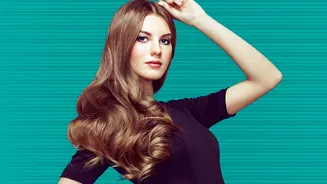
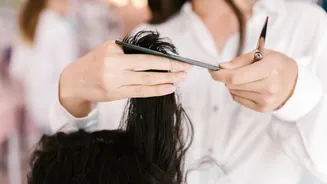
layers with a lighter, airier texture that adds movement and volume without the high maintenance of the original. It works beautifully on straight, wavy, and curly hair. To get the look, ask your stylist for soft, blended layers throughout, with shorter pieces around the crown and face. For styling, embrace your natural texture. Many stylists advocate a 'no-blow-dry' approach, encouraging you to air-dry with a bit of texturizing spray or cream to enhance the layers. Your fingers and a wide-tooth comb are your best tools to create that effortless, lived-in feel.
The Farrah Fawcett Flip 2.0
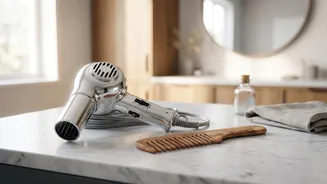
No '70s hair roundup is complete without mentioning Farrah Fawcett's iconic feathered look. It was the epitome of disco-era glamour, with voluminous curls swept back from the face. The modern take on this style is less about rigid, hairspray-heavy flicks and more about soft, bouncy movement. This look, sometimes updated as the 'butterfly cut', features cascading layers that create a similar winged-out effect with a more contemporary feel. To achieve this at home, a blow dryer and a large round brush are key. Blow-dry sections of your hair upwards and outwards, curling the ends away from your face. For extra volume, you can set the hair in large velcro rollers while it cools. A light volumizing mousse or root-lifting spray will provide hold without making the hair stiff, keeping those layers soft and bouncy.
Effortless Curtain Bangs
Made famous by style icons like Brigitte Bardot, curtain bangs were a defining feature of the decade. These longer, parted bangs that frame the face are incredibly popular today because they offer a fresh look without the high commitment of a full fringe. They can be adapted for nearly any face shape and hair texture, from pin-straight to curly. To get a modern '70s feel, ask for a fringe that's shorter in the middle and tapers down to blend with the rest of your layers. Styling is relatively low-maintenance; use a round brush to blow-dry them away from your face to create that signature 'curtain' sweep. For curly hair, allowing them to air-dry can help define your natural curl pattern within the fringe.
The Cher-Inspired Straight Look
While big, layered hair often defines the '70s, there was another equally popular look: the super sleek, pin-straight style championed by Cher. Characterized by a sharp center part and ultra-long, glossy strands, this style offered a stark, elegant contrast to the era's more voluminous trends. To make this look work today, the key is health and shine. Ask your stylist for a blunt cut to keep the ends looking thick and uniform. At home, a good heat protectant is non-negotiable before using a flat iron to get that glass-like finish. A shine spray or serum will complete the look, giving it a polished, modern edge that feels intentional and chic.
The Natural Afro
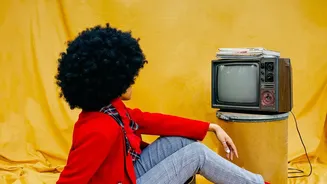
The 1970s was a pivotal decade for celebrating natural hair, with the Afro becoming a powerful symbol of beauty and self-acceptance. Icons like Diana Ross and Donna Summer showcased voluminous, beautifully shaped curls. Today, the focus remains on celebrating natural texture, with an emphasis on hair health and hydration. Styling a modern Afro is about working with your hair's unique pattern. Using moisturizing creams and oils is essential for keeping curls defined and healthy. Tools like a hair pick can be used to create that classic rounded shape and build volume at the roots, while protective styles like twist-outs can help define curls without heat. The modern Afro is all about embracing your hair's natural beauty with confidence.