


A Palette Pulled From The Earth
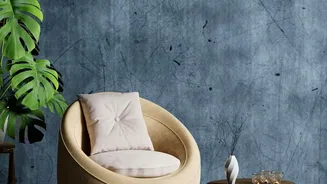
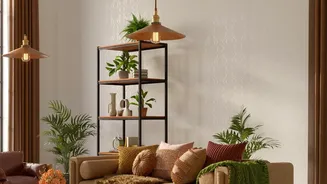
The most visible sign of this shift is the colour palette. Stark whites and cool greys are being replaced by shades that feel like they've been pulled directly from the Indian landscape. Terracotta, with its connection to clay pottery and sun-baked bricks,
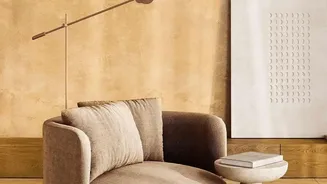
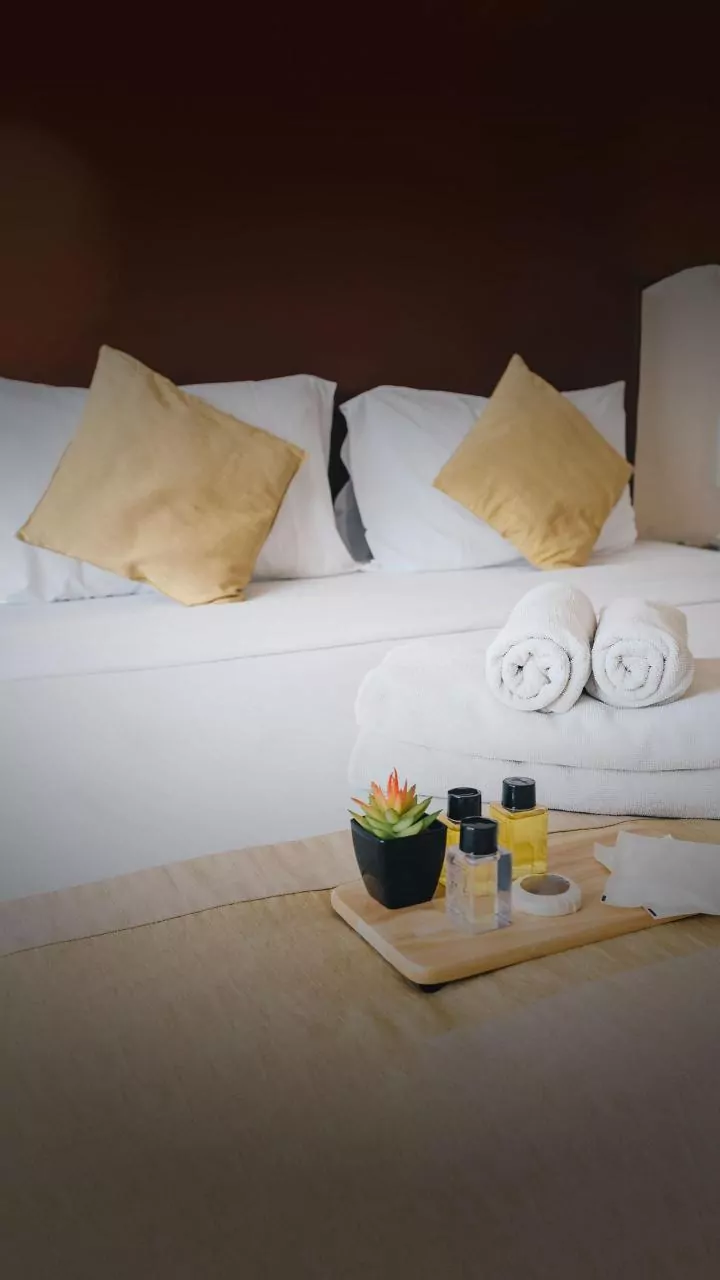
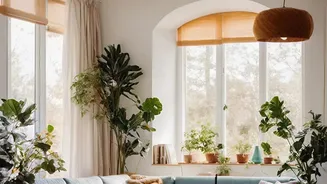
is a standout favourite for accent walls. It's joined by a family of muted, calming tones like olive green, sandy beige, and warm creams. Designers note that these colours create a calming, welcoming environment that feels both timeless and deeply rooted in Indian design heritage. They also work beautifully in the Indian climate, reflecting natural light in a soft, non-glaring way that makes spaces feel comfortable and premium.
Material Matters: The Touch Of Tradition
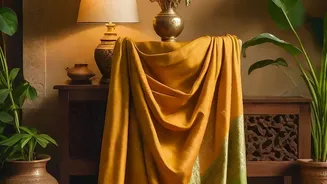
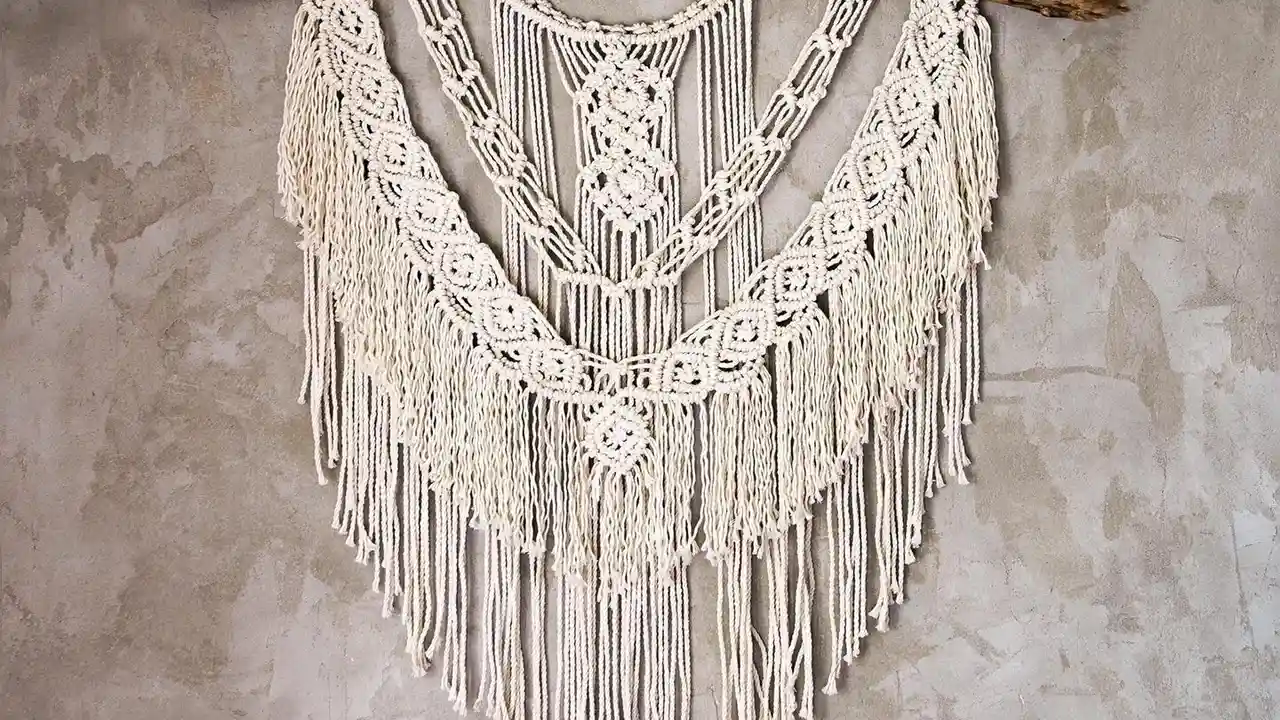
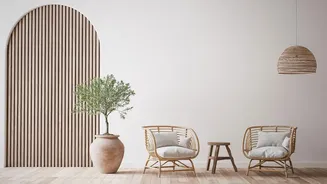
This trend goes far beyond paint. It's a sensory experience driven by a return to natural, tactile materials. Wood, stone, jute, rattan, and cotton are at the forefront of this movement. After a period dominated by mass-produced, synthetic options, there's a renewed appreciation for handcrafted and natural furniture and decor. Think of solid wood furniture with visible grains, hand-woven jute rugs, rattan chairs, and breathable linen or cotton fabrics. These materials not only add texture and warmth but also connect homes to India’s long history of craftsmanship. Elements like terracotta tiles for flooring, especially in kitchens and verandas, are also making a strong comeback, valued for their rustic charm and natural cooling properties.
Sustainability as a Style Statement
The move towards earthy interiors isn't just about aesthetics; it’s deeply connected to a growing consciousness around sustainability. Homeowners are increasingly seeking eco-friendly and resource-efficient options. This includes using reclaimed wood, choosing natural and biodegradable materials like bamboo and jute, and opting for low-VOC (volatile organic compound) paints. This focus on sustainability aligns perfectly with the principles of traditional Indian architecture, which always prioritized using local, natural materials that were responsive to the climate. By choosing sustainable materials, homeowners are not only reducing their environmental footprint but also creating healthier indoor environments.
A Cultural Homecoming
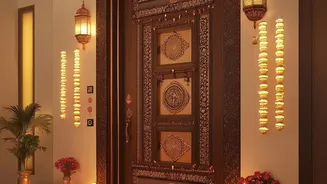
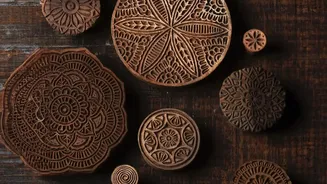
Ultimately, this return to earthy roots signifies a deeper cultural shift. For many, it's a move away from a uniform global style towards an aesthetic that feels more authentic and personal. It represents a 'cultural homecoming', where traditional Indian design elements are being reinterpreted for modern living. This 'Modern Indian' or 'Desi Modern' style isn't about creating a museum-like traditional home. Instead, it’s about thoughtfully blending heritage with contemporary aesthetics—pairing a sleek, modern sofa with block-printed cushions, or placing a piece of carved wooden furniture as a statement piece in a minimalist room. It's a way to celebrate cultural identity and create a space that feels both connected to the past and perfectly suited for the present.