





The Gold Standard: Whole Fruit
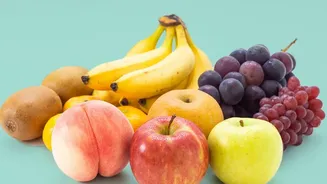
Nutrition experts consistently agree that eating fruit in its whole, natural form is the best option. The primary reason is dietary fibre. When you eat an apple or a handful of berries, you consume both soluble and insoluble fibre, which is found in the flesh,
pulp, and skin. This fibre is crucial for several reasons. First, it slows down the absorption of sugar into your bloodstream, preventing the sharp spikes and crashes associated with high-sugar foods. Second, it promotes satiety, the feeling of fullness, which helps with weight management by preventing overeating. Finally, fibre is essential for digestive health, feeding beneficial gut bacteria and promoting regularity. Whole fruits deliver a complete package of vitamins, minerals, and plant compounds (phytonutrients) as nature intended.
The Juicy Question: Fresh Fruit Juice
While a glass of 100% fruit juice can seem like a healthy, convenient choice, it's nutritionally very different from whole fruit. The juicing process strips away nearly all of the beneficial dietary fibre, leaving behind what is essentially sugar water with some vitamins. The sugars in juice are considered 'free sugars', the same type as those added to sodas and sweets, which the body absorbs rapidly. This can lead to a quick spike in blood sugar and insulin levels. It's also much easier to consume more sugar and calories in juice form; it might take several oranges to make one small glass of juice, which you can drink in minutes without feeling full. For this reason, excessive juice consumption has been linked to an increased risk of weight gain and type 2 diabetes. Health guidelines often recommend limiting 100% fruit juice intake to a small glass (around 150ml) per day, if at all.
The Smart Alternative: Smoothies
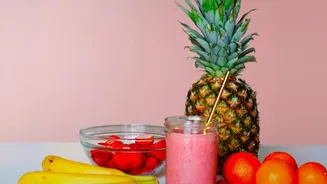
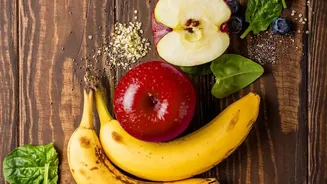
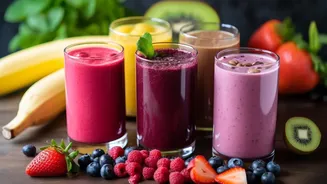
If you enjoy drinking your fruit, blending it into a smoothie is a far better alternative to juicing. Unlike juicers, blenders pulverize the entire fruit, including the skin, pulp, and seeds, thereby retaining almost all of the fibre. This means you get the feeling of fullness and slower sugar absorption that you would from eating the whole fruit. Smoothies also offer a great opportunity to add other nutritious ingredients like leafy greens (spinach, kale), healthy fats (avocado, seeds), and protein (yogurt, oats), turning your drink into a more balanced meal or snack. However, it is still important to be mindful of portion sizes and avoid adding sweeteners like honey or syrup, as it's easy to pack a lot of calories into a single glass.
The Freezer Aisle Champion: Frozen Fruit
Often overlooked, frozen fruit is a nutritional powerhouse and a fantastic convenient option. Fruits are typically picked at peak ripeness and flash-frozen within hours, a process that locks in their vitamins and minerals effectively. In fact, some studies show that frozen fruits can sometimes have a higher concentration of certain nutrients, like vitamin C, than fresh fruits that have spent days in transit and on store shelves. Frozen fruit retains its fibre content and is perfect for smoothies, adding to yogurt or oatmeal, or baking. It's also economical, available year-round, and helps reduce food waste since you can use exactly the amount you need. Just be sure to choose plain frozen fruit without any added sugars or syrups.
Other Conveniences: Dried and Canned Fruit
Dried fruit, like raisins or apricots, can be a good source of fibre, minerals, and antioxidants in a small package. However, the drying process removes water, which highly concentrates the sugar and calories. This makes it very easy to overeat. A small handful is a reasonable portion size. When choosing dried fruit, always check the label for added sugars or preservative oils. Canned fruit can also be a viable option, but the key is to read the label carefully. The canning process, which involves heat, can reduce levels of some heat-sensitive vitamins like vitamin C, but minerals and fibre generally remain intact. The biggest pitfall is the packing liquid. Always opt for fruit canned in its own juice or water, rather than in heavy, sugary syrup. Rinsing the fruit can also help wash away some of the excess sugar.