

Your Kitchen’s Hidden Flavour Bomb
The stems of many fresh herbs contain the same aromatic compounds and essential oils as the leaves, sometimes in an even more concentrated form. While leaves are prized for their delicate texture and visual appeal, the stems offer a potent, foundational
flavour that’s perfect for building depth in a variety of dishes. By saving them from the compost bin, you’re not just practicing zero-waste cooking; you’re unlocking a free source of intense, fresh flavour that you already paid for. This simple shift in habit can make your sauces more vibrant, your dips more complex, and your soups profoundly more aromatic.
Soft Stems vs. Woody Stems: Know the Difference
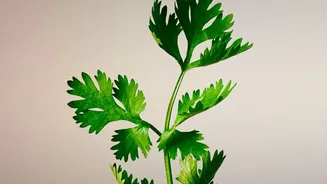
Not all herb stems are created equal. The key is to understand the difference between soft-stemmed and hard-stemmed herbs. Soft herbs, like parsley, cilantro, dill, and basil, have tender, pliable stems that can be eaten. These are perfect for chopping finely or blending directly into your dishes. On the other hand, woody herbs like rosemary, thyme, sage, and some varieties of oregano have tough, fibrous stems that are unpleasant to eat. These aren't meant for direct consumption but are fantastic for infusing liquids with their flavour before being discarded. A good rule of thumb is to bend the stem; if it's flexible, it's likely a soft stem you can chop up. If it's stiff and threatens to snap, it's a woody stem best used for infusions.
Blend Tender Stems for Bright, Fresh Sauces
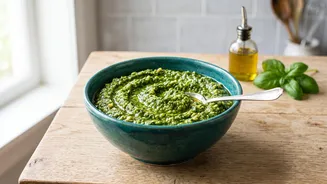
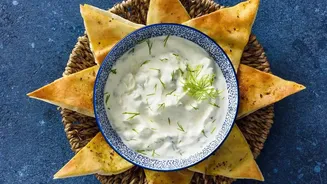
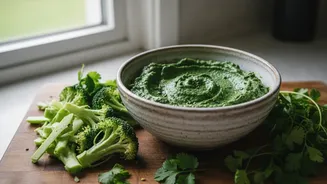
The tender stems of herbs like cilantro and parsley are ideal for creating vibrant, uncooked sauces and dips. Because they blend smoothly, they integrate seamlessly, adding both flavour and a beautiful green hue. Finely chop the stems and add them to guacamole, salsas, or yogurt-based dips. For an even smoother consistency, use a food processor. A classic chimichurri, for example, is a perfect destination for both parsley and cilantro stems, blended with garlic, vinegar, and olive oil. You can also create a versatile green sauce by blending parsley, cilantro, or basil stems with olive oil, a squeeze of lemon, and a clove of garlic to drizzle over roasted vegetables, fish, or chicken.
Simmer All Stems for Deep, Aromatic Soups
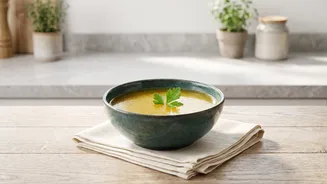
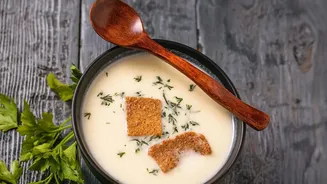
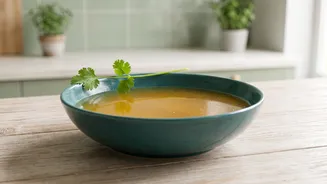
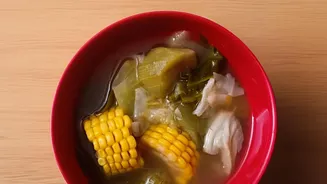
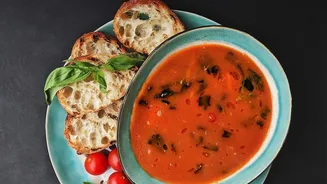
Both soft and woody stems excel when simmered, slowly releasing their aromatic oils into soups, stocks, and braises. This is where woody stems from rosemary and thyme truly shine. To avoid fishing out stray bits later, you can create a simple 'bouquet garni' by tying a bundle of stems together with kitchen twine before dropping it into your pot. Let the bundle simmer along with your other ingredients, and simply remove it before serving. This technique works just as well for the tougher bottom portions of parsley and cilantro stems. The result is a broth infused with a subtle, herbaceous depth that you can’t achieve with leaves alone, which are best added at the end for a fresh finish.
More Zero-Waste Stem Ideas
Beyond blending and simmering, there are other creative ways to use every part of your herbs. Woody rosemary stems, once stripped of their leaves, can be used as flavourful skewers for grilling shrimp or vegetable kebabs. Both soft and woody stems can be used to infuse oils or vinegars; simply place clean, dry stems in a jar, cover them with oil or vinegar, and let them steep for a few days to a week. For a long-term solution, chop your tender stems, place them in an ice cube tray, top with olive oil, and freeze. These frozen flavour bombs are perfect for starting a sauté or adding a quick burst of freshness to a pan sauce.