

The Mid-August Weather Outlook
Independence Day falls squarely in the middle of India's monsoon season, a period known for unpredictable and often heavy rainfall. While long-range forecasts for the 2026 season have suggested a potentially below-normal monsoon overall, this does not
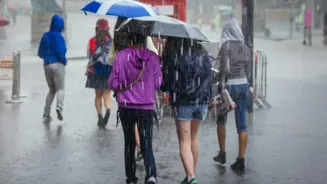
rule out intense, localized downpours that can cause significant disruption. Active monsoon conditions are expected in several parts of the country during August, including central, western, and southern India. Cities like Mumbai and Delhi, along with regions such as the Konkan coast and hilly areas, are particularly susceptible to weather-related travel issues. Travellers are advised to check the latest, most specific forecasts from the India Meteorological Department (IMD) closer to their date of departure for accurate, area-specific warnings.
Navigating India's Roads
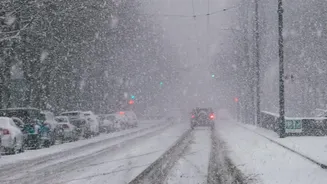
Driving during the monsoon requires extra caution. Heavy rain reduces visibility and increases braking distances on wet roads. Waterlogging is a primary concern, especially in urban areas and low-lying highways, which can lead to massive traffic jams and potential vehicle damage. Authorities like the National Highways Authority of India (NHAI) undertake pre-monsoon preparedness by cleaning drains and repairing road surfaces, but intense rainfall can still overwhelm these systems. In hilly regions, the risk of landslides increases, potentially blocking roads for extended periods. For a safe road journey, it is essential to check your vehicle's tyres, brakes, and wipers beforehand. Reduce speed, maintain a safe distance from other vehicles, and never attempt to drive through flooded streets, as the water may conceal deep potholes or open drains.
The Strain on Railway Networks
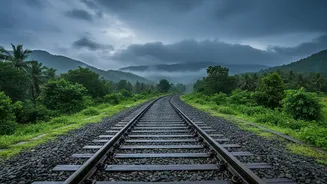
Indian Railways, the lifeline for millions, is also vulnerable to monsoon fury. Waterlogging on tracks is a major cause of disruption, forcing trains to slow down, take diversions, or be cancelled altogether. Past instances during heavy rains have seen hundreds of services affected, leaving passengers stranded. Key routes, such as the Konkan Railway, operate on a special monsoon timetable with reduced speeds to ensure safety. Railway authorities take preemptive measures, such as placing maintenance teams on alert and monitoring vulnerable bridges and tracks, but extreme weather can still lead to significant delays. Commuters are strongly advised to check the live status of their train using the National Train Enquiry System (NTES) or other official railway apps before heading to the station.
A Traveller's Safety Checklist
A little preparation can go a long way in mitigating travel risks. Before you leave, ensure your mobile phone and a power bank are fully charged. Pack an emergency kit containing essentials like a raincoat, a torch, basic medicines, drinking water, and some non-perishable snacks. It is also wise to keep important documents and electronics in waterproof bags. For those driving, ensure your fuel tank is full, as you might get stuck in traffic for longer than expected. Keep a list of emergency contact numbers handy, and inform your family or friends of your travel itinerary. Most importantly, stay updated on weather and traffic conditions through reliable apps and official sources. If authorities issue a warning for your route, it is best to consider postponing any non-essential travel.