



What Exactly is NEAT?
NEAT stands for Non-Exercise Activity Thermogenesis, which is the scientific term for the energy you burn doing everything except sleeping, eating, or formal sports-like exercise. It covers a wide range of activities, from typing and fidgeting to household
chores and walking to the bus stop. While these movements might not make you break a sweat, their cumulative effect on your daily calorie expenditure can be substantial. Think of it as the energy cost of all your daily activities that aren't structured workouts. Integrating more NEAT into your day is a powerful way to counteract the negative health effects of a sedentary lifestyle, which can include a slower metabolism and increased risk of certain health issues.
The Simple Power of a Standing Desk
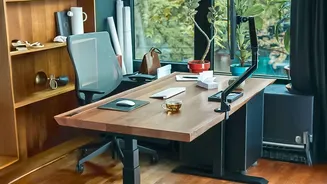
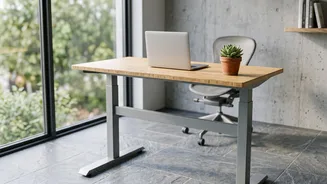
One of the most popular ways to increase NEAT is by swapping your office chair for a standing desk. While sitting, a person might burn around 80 calories per hour. By simply standing, that number can increase. Studies show that standing burns slightly more calories than sitting—the difference might be about 8 to 10 calories per hour. While that doesn't sound like a massive leap, it adds up. Standing for three hours a day could burn an extra 24 calories, which translates to over 5,000 extra calories burned in a work year. Beyond the modest calorie burn, using a standing desk engages your muscles, can improve posture, and may boost mood and energy levels, making you more likely to be active in other ways.
Step Up Your Calorie Burn with Stairs
Choosing the stairs over the elevator is a classic and highly effective NEAT activity. Stair climbing is classified as a vigorous form of exercise that burns more calories per minute than jogging. It requires significantly more energy than sitting—some estimates suggest it burns about seven times more calories than taking a lift. You burn approximately 0.17 calories for every step you climb. This simple choice not only contributes to your daily energy expenditure but also strengthens leg muscles, improves cardiovascular health, and reduces the risk of conditions like diabetes and heart disease. For buildings with five floors or less, taking the stairs is often faster than waiting for an elevator, saving you time while boosting your health.
More Ways to Weave NEAT into Your Day
Beyond standing desks and stairs, there are countless opportunities to increase your daily NEAT. The goal is to break up long periods of sitting and find small ways to move more. Try pacing around your room while talking on the phone or holding walking meetings at work. Simple fidgeting—tapping your feet or shifting in your chair—can also increase calorie burn. At home, everyday chores like gardening, washing the car, or tidying up all contribute to your NEAT. Even small actions like parking farther away from the store entrance, taking the long route to the water cooler, or doing light stretches at your desk every hour can make a meaningful difference.
Making Movement a Sustainable Habit
The key to leveraging NEAT for better health is consistency. Start by identifying moments in your day where you can easily incorporate more movement. Set a reminder to get up and walk around for a few minutes every hour. Instead of emailing a colleague in the same building, walk to their desk. The goal isn't to replace formal exercise, but to supplement it and reduce sedentary time. By making these small, conscious choices to move more, you build sustainable habits that support your long-term health, aid in weight management, and improve your overall quality of life without requiring a major overhaul of your schedule.