






What is a Macro Food Plate?
Let's demystify the jargon. 'Macros' is short for macronutrients, the three main nutrient groups your body needs for energy and function: proteins, carbohydrates, and fats. A 'macro food plate' isn't about obsessive counting; it's a visual guide for balancing
these nutrients in every meal. Instead of weighing food or logging calories, you simply divide your plate into sections. This approach ensures you're getting a wholesome mix of fuel for your body, helping to regulate energy levels, support muscle health, and keep you feeling full and satisfied.
The Visual Guide: Your Plate Blueprint
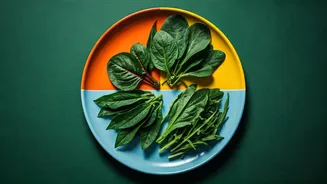
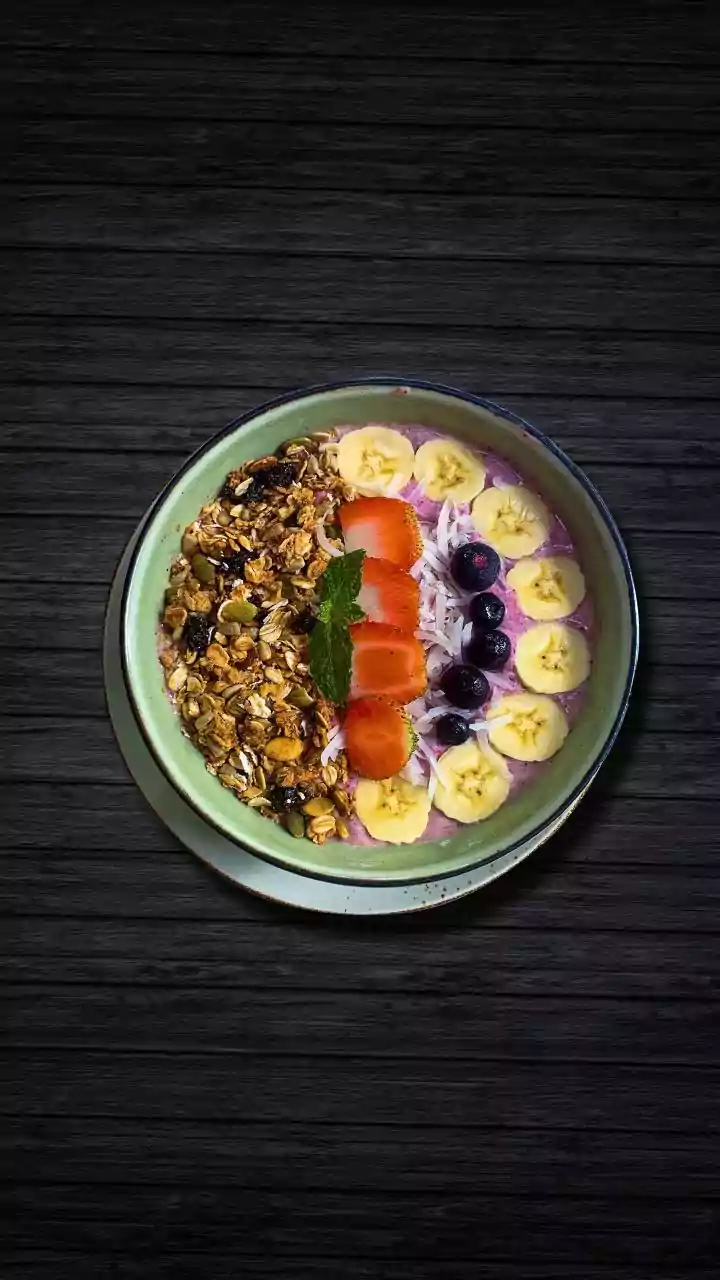
Imagine your plate is a circle. For a balanced meal, aim for this simple, colour-coded structure: **Half Your Plate (The Green Zone):** Fill this largest section with non-starchy vegetables and leafy greens. This is where seasonal greens shine. They are low in calories but packed with fibre, vitamins, and minerals. **One-Quarter of Your Plate (The Protein Powerhouse):** Dedicate this portion to a quality protein source. For vegetarians, this could be dal, paneer, chickpeas, or tofu. For non-vegetarians, think chicken, fish, or eggs. **One-Quarter of Your Plate (The Energy Engine):** This section is for complex carbohydrates that provide sustained energy. Choose options like roti (whole wheat), brown rice, millets (jowar, bajra), or starchy vegetables like potatoes or sweet potatoes.
Harnessing the Power of Seasonal Greens
Using seasonal greens is the smartest way to pack your plate with nutrients. They are fresher, tastier, more affordable, and have a higher nutritional value than produce that has travelled long distances. Eating seasonally also connects us to our local food cycles, a practice deeply rooted in Indian culinary wisdom. The vibrant green colour is a sign of chlorophyll and a host of other phytonutrients that fight inflammation and protect your cells. Here’s a look at what to look for throughout the year.
Winter Wonders (December - February)
Winter is the best time for lush, hearty greens in India. Fill your green zone with these nutritional powerhouses. * **Spinach (Palak):** Rich in iron, Vitamin K, and Vitamin A. Perfect for palak paneer, dal palak, or simply sautéed with garlic. * **Fenugreek (Methi):** Known for its distinct flavour and benefits for blood sugar control. Use it in methi thepla, aloo methi, or add fresh leaves to your dal. * **Mustard Greens (Sarson):** The star of the classic Sarson ka Saag. It's loaded with Vitamin C and provides a warming, pungent flavour perfect for cold days. * **Chenopodium (Bathua):** A highly nutritious wild spinach, often used in raita, parathas, or saag. It’s excellent for gut health.
Summer Saviours (March - June)
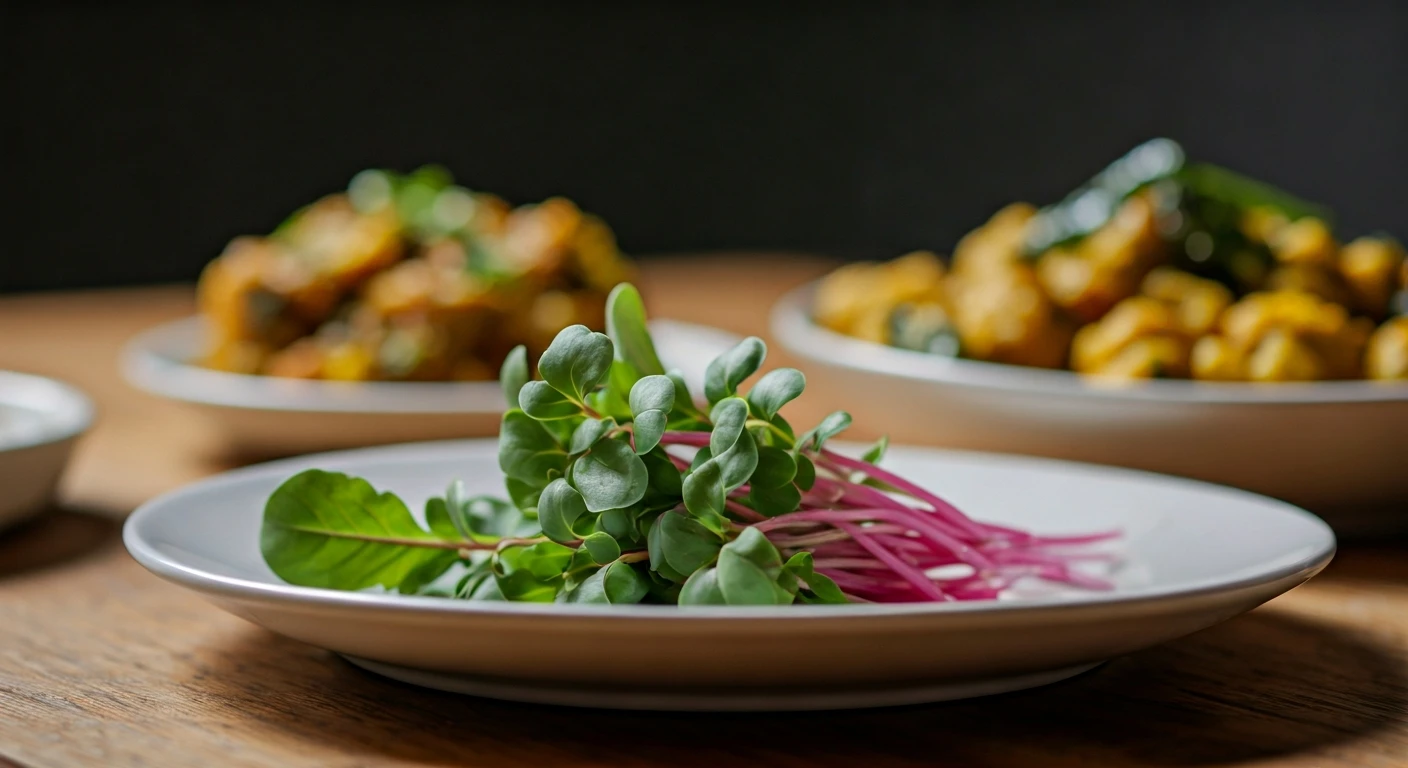
As the heat rises, opt for lighter, more cooling greens. These varieties are easier to digest and often have a high water content to help you stay hydrated. * **Amaranth Greens (Chaulai):** A versatile and fast-growing green, rich in protein and calcium. Stir-fry it with coconut or add it to lentil dishes. * **Mint (Pudina):** Extremely cooling and great for digestion. While not a 'main' green, it can be added generously to salads, raitas, and chutneys for a fresh burst of flavour and health benefits. * **Purslane (Kulfa):** This succulent green is a superfood, high in Omega-3 fatty acids. It has a slightly sour and salty taste, making it great for salads or light saags.
Monsoon Bounty (July - September)
The monsoon brings its own special variety of greens that thrive in the damp weather. It’s important to wash them thoroughly during this season. * **Colocasia Leaves (Arbi ke Patte):** Used to make patra or pathrode, these large leaves are a good source of Vitamin A and C. Proper cooking is essential to remove irritants. * **Gongura (Sorrel Leaves):** Very popular in South India, these tangy leaves are rich in iron and Vitamin C. They are the key ingredient in dishes like Gongura pachadi and Gongura mutton. * **Malabar Spinach (Poi Saag):** A climbing spinach with thick, fleshy leaves. It holds up well in curries and stir-fries, providing a good dose of vitamins and fibre.
Making It a Daily Habit
The key to success is consistency, not perfection. Start with one meal a day. Make a weekly trip to your local vegetable market to see what's fresh and in season—let that guide your menu. Prep your greens in advance: wash, chop, and store them in the fridge so they are ready to be tossed into your meals. Remember, this isn't a restrictive diet. It’s a flexible framework to build a healthier relationship with food, one colourful plate at a time.