



The New Travel Sweet Spot
For years, Indian tourism has been defined by two major seasons: the summer holiday rush and the winter festive period. The monsoon was traditionally seen as a time to stay home. That thinking is changing rapidly. A growing number of travellers are now
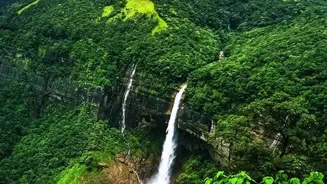
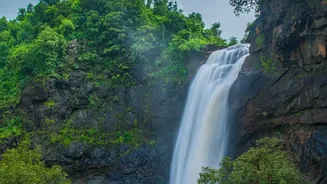
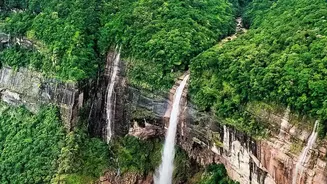
embracing the post-monsoon months for getaways, driven by a desire for a different kind of experience. The appeal lies in a perfect combination of factors: landscapes are at their most lush and green after months of rain, waterfalls are full, and the weather is pleasant and cool without the biting cold of deep winter. Crucially, this period sees fewer crowds at popular spots, allowing for a calmer, more immersive experience. Travel companies have noted a significant surge in bookings for this period, with some destinations seeing bookings grow seven to ten-fold compared to previous years.
More Than Just a Cheaper Trip
While lower prices on flights and hotels are an undeniable draw, the trend is about more than just off-season discounts. It reflects a deeper change in what people want from a holiday. The rise of flexible and remote work arrangements has enabled more people to take shorter, more frequent 'micro-cations' throughout the year. Instead of one long annual break, many are opting for several smaller trips. This has opened up new travel windows, with the post-monsoon season being a major beneficiary. Travellers are increasingly seeking out meaningful, experience-led trips rather than just ticking off destinations. This includes a growing interest in ecotourism, wellness retreats, and nature-focused activities that are perfectly suited to the rejuvenated post-rain landscapes.
The Western Ghats Reawakened
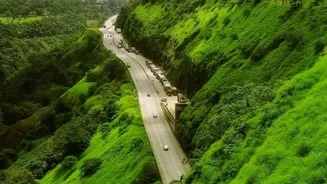
The Western Ghats, spanning states like Karnataka, Kerala, and Maharashtra, are perhaps the biggest beneficiaries of this trend. After the rains, the region transforms into a carpet of green. Hill stations like Coorg and Wayanad become particularly magical, with mist-covered coffee plantations and gushing waterfalls. Destinations in Kerala are classic post-monsoon choices, with the backwaters in Alleppey full and the tea gardens of Munnar looking especially vibrant. In Maharashtra, spots like Lonavala and Mahabaleshwar draw crowds for their stunning valley views and overflowing waterfalls. It’s an ideal time for trekking, plantation walks, and simply enjoying the serene, green environment before the landscapes begin to dry out for the winter.
Clear Skies in the Himalayas
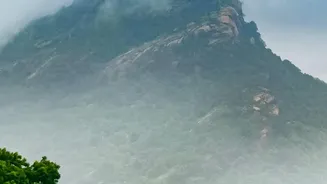
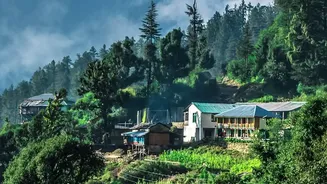
The end of the monsoon also signals the reopening of many Himalayan destinations. The rains wash the dust and haze from the atmosphere, offering crisp, clear views of the mountain ranges. In places like Uttarakhand and Himachal Pradesh, this is a golden window for travel. Destinations like Rishikesh, Dharamshala, and Mussoorie see a significant uptick in visitors who come for the pleasant weather, spiritual retreats, and adventure activities. For those seeking even more dramatic landscapes, Ladakh becomes accessible again after the monsoon subsides but before the extreme winter cold sets in, offering stunning high-altitude scenery without the peak summer tourist rush.
Offbeat and Eco-Conscious Choices
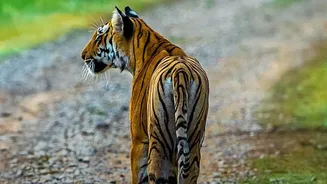
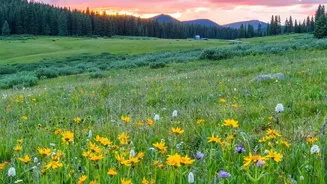
This trend also aligns with a rising interest in ecotourism and sustainable travel in India. Travellers are actively looking for destinations that allow them to connect with nature responsibly. The post-monsoon period is perfect for exploring places like Ziro Valley in Arunachal Pradesh, known for its lush paddy fields, or the unique blooming of wildflowers on the Kaas Plateau in Maharashtra. Many national parks, which close during the monsoon for breeding seasons, reopen in September and October, offering incredible wildlife-sighting opportunities in places like Bandhavgarh, Kanha, and Kaziranga. These trips are often about appreciating the environment and supporting local communities, reflecting a more mindful approach to travel that goes beyond the conventional tourist trail.