




The Promise of Premium
For years, the travel calculus was simple. An upgrade to Premium Economy or a similar class was a guaranteed ticket to a better experience. It was the sensible middle ground between the tight quarters of economy and the lavish expense of business class.
This separate, smaller cabin promised a handful of core benefits that justified the price jump: a wider seat with more legroom, a more generous baggage allowance, superior meals, and priority airport services. On long-haul routes, these perks weren't just luxuries; they were practical tools for arriving rested and ready to go. The value was clear and the choice was easy for those willing to pay a bit more for a lot more comfort.
The Seat: Still the Main Attraction
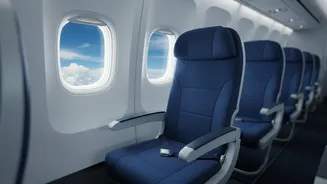
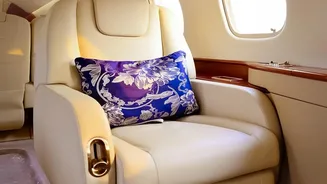
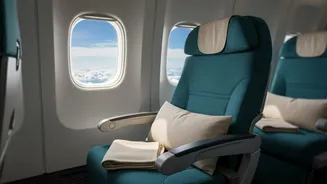
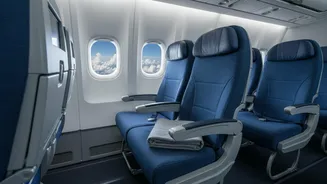
Let's be clear: the biggest single differentiator remains the seat itself. Premium Economy typically offers five to seven inches of extra legroom, wider seats, and a deeper recline. For tall passengers or anyone on a flight longer than eight hours, this additional space can be the difference between a restful journey and a gruelling ordeal. The calmer, smaller cabin environment is also a significant, if less tangible, benefit. With less foot traffic and disruption, it’s easier to sleep or work. This core physical advantage is the last and strongest pillar of the upgrade’s value proposition. However, as other benefits fade, travellers are increasingly forced to ask if a better seat alone is worth a price that can be 50% to 100% higher than a standard fare.
When 'Premium' Meals Are a Mirage
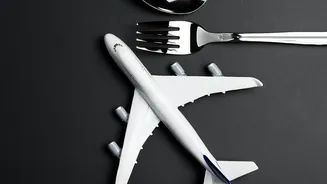
A key area where the value is visibly eroding is in-flight dining. Historically, an upgraded ticket meant a noticeably better meal, often served on real crockery with metal cutlery. While this is still true on some top-tier airlines, a worrying trend has emerged: the “enhanced” economy meal. Many carriers now serve Premium Economy passengers the exact same food as in the main cabin, with the only upgrade being the plate it's served on. This cost-cutting measure fundamentally devalues the experience. When the culinary highlight is a linen tablecloth rather than better food, the perceived premium vanishes. Some airlines known for excellent economy meals, like Turkish Airlines or Japan Airlines, can make this distinction feel even smaller.
The Baggage Allowance Squeeze
Another traditional pillar of the upgrade has been a more generous checked baggage allowance. This was a simple, tangible benefit that helped offset the ticket cost, especially for travellers on long trips or families. However, this perk is also under pressure. As airlines unbundle fares and introduce numerous economy categories (from basic to flexible), baggage rules have become incredibly complex. Some higher-tier economy fares now offer similar baggage allowances to Premium Economy, blurring the lines. Furthermore, with the rise of paid seat selection and other ancillary fees, airlines are finding new ways to generate revenue, reducing the incentive to offer generous, all-inclusive premium packages. A traveller may find that paying for an extra bag in economy is far cheaper than the cost of a full cabin upgrade.
The Savvy Traveller's Checklist
So, is the upgrade dead? Not entirely, but the days of blindly trusting its value are over. Today’s traveller needs to be a detective. Before you click that 'upgrade' button, do your homework. First, check the specific aircraft. The difference between premium and economy is far more pronounced on modern jets like the A350 or 787. Second, investigate the exact fare rules. What are the precise baggage limits and meal services for your ticket? Don't rely on the class name; read the fine print. Finally, do the maths. Compare the all-in cost of an economy ticket with desired add-ons (extra legroom seats, extra bag) against the price of a premium economy seat. Sometimes, building your own 'premium' experience a la carte is the most cost-effective solution.