








Indore’s Renewed Global Gateway
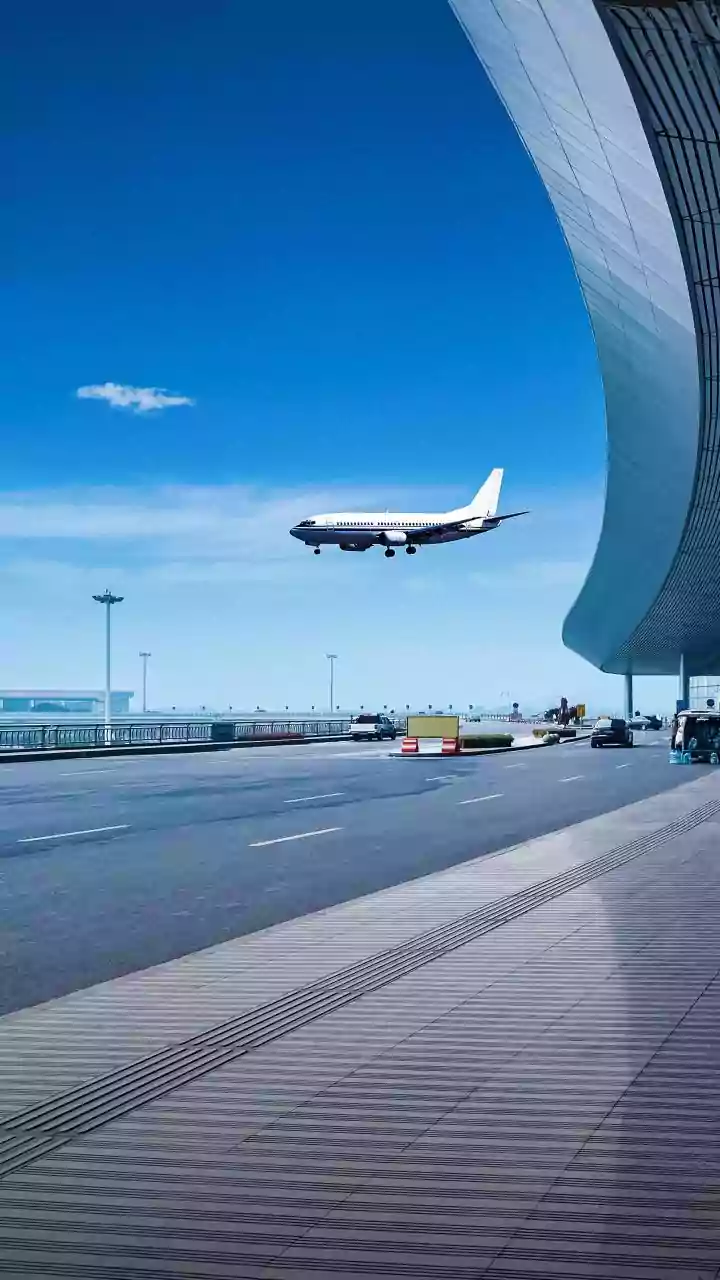
Indore’s Devi Ahilya Bai Holkar Airport is re-establishing its international credentials with renewed vigour. After a brief suspension, direct international flights are set to resume from July 15, 2026, with a new service to Abu Dhabi operated by Air India
Express. This marks a significant step for Madhya Pradesh's commercial capital. While the airport has had international status for years, its primary direct link was to Sharjah, supplemented by seasonal charters. The new Abu Dhabi connection is strategic, linking Indore not just to the UAE but to a major global transit hub with connections to over 80 cities across Europe and North America. This allows travellers and businesses from the Malwa region to bypass congested domestic hubs like Mumbai or Delhi for long-haul journeys, a key advantage for a city aspiring to greater global integration.
Fuelling the Malwa Economy
For Indore, enhanced air connectivity is a direct economic multiplier. The city is the nerve centre of the Pithampur industrial belt, a major hub for pharmaceuticals, textiles, and automobiles. An ambitious Indore-Pithampur Economic Corridor project is underway, expected to attract significant investment in sectors like IT, fintech, and green industries. The corridor aims to slash travel time between the airport and the industrial zone, making logistics far more efficient. Reliable, direct international flights are crucial for this ecosystem, facilitating executive travel, attracting foreign investment, and enabling the swift movement of goods and personnel. Better connectivity strengthens Indore's position as a premier Tier-2 city, making it more attractive for businesses looking to expand beyond the traditional metros.
A New Entry Point for Tourism
Beyond business, the international flights serve as a new gateway to the heart of India for tourists. The Malwa region is rich with historical and spiritual destinations, including the Mahakaleshwar temple in Ujjain, the historic fort-city of Mandu, and the pilgrimage site of Omkareshwar. Currently, most international tourists access these sites via a long journey from other major airports. Direct flights into Indore make the region significantly more accessible, potentially boosting the local tourism economy, from hotels to tour operators. This aligns with a broader national trend where improved regional air connectivity is unlocking the potential of previously hard-to-reach tourist circuits.
Navi Mumbai’s Mega-Airport Arrives
While Indore's story is about scaling up, Navi Mumbai's is one of monumental creation. The Navi Mumbai International Airport (NMIA), which commenced domestic operations in December 2025, is poised to launch its first international passenger flights on July 15, 2026. The inaugural international route will be an Air India Express service to Abu Dhabi, with carriers like IndiGo also expected to start overseas operations. Developed to decongest Mumbai's chronically busy Chhatrapati Shivaji Maharaj International Airport (CSMIA), NMIA is more than a secondary airport; it's a massive greenfield project designed to become a major hub in its own right, with plans to eventually handle up to 90 million passengers annually.
Powering the Mumbai Metropolitan Region
The opening of NMIA to international traffic is a game-changer for the entire Mumbai Metropolitan Region (MMR) and the adjoining Pune industrial corridor. For years, businesses and residents in Navi Mumbai, Panvel, and beyond faced a long commute to CSMIA. The new airport provides a crucial alternative, set to boost logistics, real estate, and corporate efficiency across the region. With international cargo freighter services also launching simultaneously, NMIA is positioned to become a critical logistics and trade hub, supporting the vast manufacturing and service industries in the area. The airport's scale and modern infrastructure are designed to anchor a new wave of economic development.
Unlocking the Konkan Coast
NMIA’s impact extends deep into regional tourism. The airport will serve as a convenient new gateway for tourists heading to the pristine beaches and historic forts of the Konkan coast, including popular destinations like Alibaug, Ratnagiri, and Ganpatipule. It also improves access to hill stations like Lonavala and Khandala. This improved connectivity is expected to significantly boost the region's burgeoning eco-tourism and vacation home markets, which have long been hampered by reliance on road travel from Mumbai or Pune. By providing easier access, NMIA helps distribute tourist traffic and encourages sustainable development in one of Maharashtra's most scenic regions.