




The Squeeze of Soaring Costs
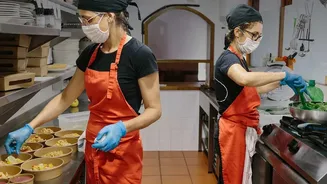
No restaurant owner is imagining the pressure. The cost of doing business has undeniably gone up. Food inflation has been a significant concern, with key ingredients that form the backbone of Indian cuisine—like vegetables, grains, and oils—seeing price
surges. Beyond the kitchen, operational expenses are also climbing. Costs for commercial LPG, manpower, and rentals in urban areas are putting a continuous strain on finances. Some industry voices have pointed to food and beverage services inflation hitting as high as 8.4%, a significant figure that directly impacts profitability. This creates a classic dilemma: absorb the costs and watch margins shrink, or pass them on to the customer and risk losing business.
Fear of the Empty Table
The single biggest factor holding back widespread price hikes is the fear of deterring customers. India’s restaurant market is intensely competitive, with organised chains, local eateries, and street food vendors all vying for the same diner's wallet. In a price-sensitive market, even a small increase can be enough to push a customer toward a cheaper alternative. Restaurant owners understand that you can't keep passing every cost increase to the consumer because, at some point, the consumer pushes back. This is especially true as customers themselves are navigating a tough economic environment and are more careful with discretionary spending. As a result, many restaurants are choosing to protect customer footfall, prioritising volume over margin, especially during important festive seasons.
Smarter Strategies Beyond the Price Tag
Instead of printing new menus with higher numbers, many establishments are getting creative behind the scenes. One common but subtle strategy is 'shrinkflation', where portion sizes are marginally reduced while the price remains the same. Another approach is menu engineering: analysing the profitability and popularity of each dish. Restaurants might push their high-margin 'star' dishes more prominently and re-evaluate or replace low-margin items that use expensive ingredients. They may also strike deals with suppliers, optimise inventory management using First-In-First-Out (FIFO) methods to reduce waste, and leverage technology to track costs in real-time. Digital menus, for instance, allow for small, incremental price adjustments on specific items rather than a jarring, across-the-board hike.
The Volume Game and Shifting Priorities
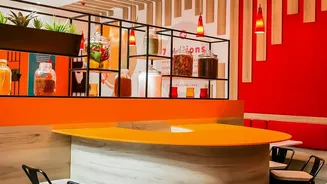
For many, the current strategy is a bet on the long game. By holding prices, restaurants hope to maintain customer loyalty and ensure a steady flow of business. The logic is that it's better to operate on thinner margins with a full house than on high margins with empty tables. This is particularly true for Quick Service Restaurants (QSRs) and casual dining chains, whose models often depend on high volume. Furthermore, the dining experience itself has become a product. Many customers are willing to pay for quality, consistency, and a great atmosphere. Restaurants are investing in these aspects—better service, improved hygiene, and unique ambiances—to justify their existing price points and build a loyal base that is less likely to be swayed by price alone.