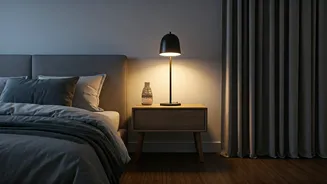










Master Your Bedroom's Climate
Your body's ability to cool down is crucial for sleep, a process that is interrupted when a room is too hot and humid. The ideal sleep temperature is generally between 15.5 to 19.5 degrees Celsius. To get closer to this, start by managing your room's
temperature throughout the day. Keep curtains and blinds closed to block solar heat, which can reduce heat gain by up to 60% depending on the window coverings. In the evening, if the outside air is cooler, open windows to create cross-ventilation. A fan is a powerful tool, not just for the cooling sensation but also for circulating air. For a DIY air conditioner, place a shallow bowl of ice water in front of a fan, which will blow a cooled mist into the room. If the air feels heavy and damp, a dehumidifier can make the room significantly more comfortable by reducing stickiness.
Choose Cooling Fabrics for Bedding and Sleepwear
The materials you sleep on and in have a major impact on your comfort. Synthetic fabrics like polyester trap heat and moisture, making a sweaty night even worse. Instead, opt for natural, breathable fibers that wick moisture away from your skin. Linen, bamboo-derived fabrics, and lightweight cotton with a percale weave are excellent choices. These materials allow for better airflow, helping heat to escape and sweat to evaporate, keeping you cooler and drier. Linen can absorb a significant amount of moisture before it even feels damp. Bamboo is known for its softness and ability to regulate temperature in humid conditions. When it comes to what you wear, the same rule applies: light, loose-fitting pajamas made from cotton or linen are best. For an extra shot of coolness, some people even place their sheets in a sealed plastic bag in the freezer for a couple of hours before bed. While the effect is temporary, it can provide enough relief to help you drift off.
Perfect Your Pre-Sleep Routine
How you wind down can trick your body into cooling itself. Surprisingly, a warm—not cold—shower one to two hours before bed can be highly effective. The warm water increases blood flow to your skin, and when you get out, your body cools down rapidly, which helps trigger the drop in core body temperature needed for sleep. A cold shower might feel good initially but can be more alerting and less effective for sleep. Applying a cool, damp cloth to pulse points like your forehead, neck, and inner elbows can also provide quick relief. Avoid strenuous exercise within two to four hours of bedtime, as it raises your core body temperature and can make it harder to fall asleep. Instead, opt for gentle stretches or relaxation techniques to prepare your body for rest.
Eat and Drink for Cooler Sleep
What you consume in the evening can influence how hot you feel at night. It's best to avoid large, heavy, or spicy meals close to bedtime, as the digestive process can generate heat. Staying hydrated is crucial, but timing is key. Drink plenty of water throughout the day, but taper off your intake an hour or two before bed to prevent nighttime awakenings. Keeping a glass of cool water by your bed can be refreshing if you wake up feeling hot. While alcohol can make you feel drowsy initially, it ultimately disrupts sleep quality later in the night. Certain foods contain nutrients like tryptophan and melatonin that promote sleep, such as turkey, nuts, and kiwis. For a cooling bedtime drink, consider a caffeine-free herbal tea like chamomile or peppermint, which can be served chilled.