





What Is a 'Monsoon Break'?
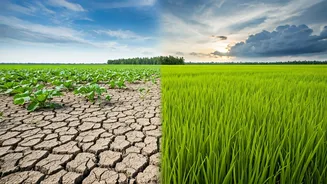
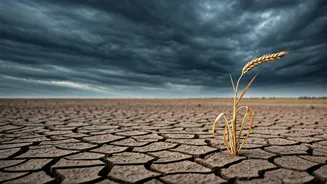
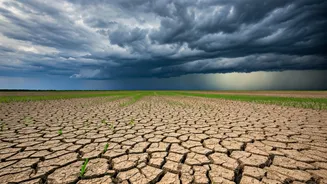
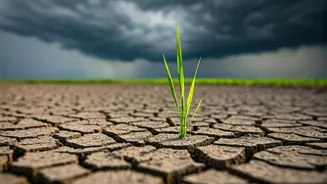
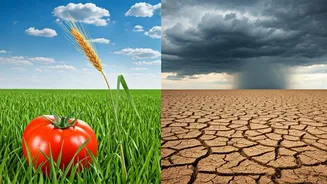
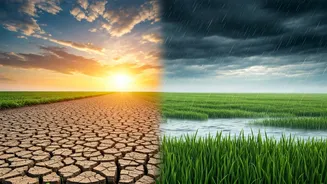
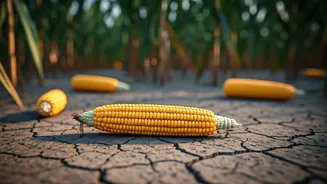
A monsoon break, or gap, is a period of several days or even weeks during the Southwest Monsoon season when rainfall significantly reduces across India's core monsoon zone. Instead of widespread showers across the plains, rainfall tends to concentrate
in the Himalayan foothills and northeastern regions. These breaks are a natural part of the monsoon cycle, typically occurring in July and August, and are often caused by shifts in the monsoon trough, the low-pressure belt that drives the rains. When this trough moves north towards the Himalayas, it effectively turns off the tap for much of central and northern India. Other factors, like the El Niño phenomenon, can also strengthen and prolong these dry spells.
The Agricultural Domino Effect
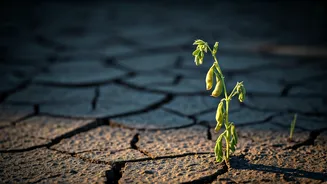
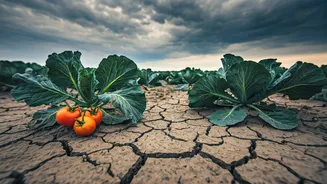
For India's farmers, the timing and distribution of rain are often more critical than the seasonal total. A large portion of India's agriculture is rain-fed, making it highly dependent on consistent monsoon showers for the Kharif (summer) crop season. A prolonged break during the crucial sowing and early growth stages in June and July can be devastating. Dry spells disrupt irrigation schedules, deplete soil moisture, and can stunt crop growth. This forces farmers to either delay planting, which can affect yields, or switch to less water-intensive but potentially less profitable crops. The current 2026 season has already seen a significant rainfall deficit, raising concerns about the sowing of key crops like pulses, oilseeds, and cotton.
From the Farm to Your Kitchen
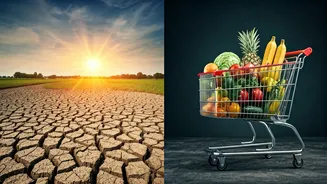
The impact of a monsoon gap doesn't stop at the farm gate. It creates a ripple effect that travels through the supply chain right into your kitchen. Reduced crop yields mean lower market arrivals, creating a simple supply-and-demand problem that pushes wholesale prices up. Vegetables are particularly vulnerable. Unlike staple grains like rice and wheat, for which the government maintains large buffer stocks, vegetables are perishable and their supply is more immediate. Tomatoes, onions, green chillies, and leafy greens are often the first to see sharp price hikes. For instance, recent reports show tomato prices have already surged due to a combination of heatwaves and erratic rainfall, with wholesale prices in some markets jumping dramatically. Transport and logistics challenges during the monsoon can further compound the issue, delaying deliveries and adding to the final cost.
Which Prices Are Most at Risk?
While a weak monsoon affects the entire agricultural sector, certain commodities are more sensitive to these dry spells. Pulses, especially toor dal, and oilseeds like soybean are particularly vulnerable as they are often grown in rain-fed areas. Some officials have expressed concern that production of these crops could decline significantly if rainfall remains uneven during the critical sowing period. Vegetables remain the most volatile category, with prices capable of doubling or more in a matter of weeks due to supply disruptions. Consumers may notice the price of tomatoes, onions, beans, and gourds climbing first, as seen in previous years when erratic rains led to sharp spikes. This volatility in vegetable and pulse prices is a primary driver of food inflation, which can squeeze household budgets and presents a challenge for economic stability.
Navigating the Volatility
While you can't control the weather, understanding its impact can help you manage your budget. During periods of high volatility, it pays to be a flexible shopper. Consider substituting high-priced vegetables with more stable alternatives like potatoes and pumpkins, which are less prone to sharp price swings. Paying attention to agricultural news can also provide a heads-up on which items are likely to be affected next. On a larger scale, the government is also taking steps to mitigate the impact. This includes identifying vulnerable districts, promoting drought-resistant crops, and preparing contingency plans to protect farm incomes and manage food supply. Farmers are also increasingly using better weather forecasting and crop planning to adapt. For the average consumer, however, the most practical approach is to stay informed and be prepared for temporary shifts in the market.