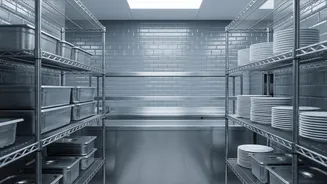








A City-Wide Kitchen Inspection
Over the past few weeks, teams from Karnataka's Food Safety and Drug Administration (FSDA) and other officials have been conducting surprise inspections at a massive scale. The drive has been comprehensive, covering not just restaurants and pubs, but
also upscale clubs, three- and five-star hotels, canteens, dhabas, and even the warehouses of e-commerce food businesses. This extensive crackdown was initiated following complaints and a push to enforce safety standards, challenging the assumption that a higher price tag guarantees a cleaner kitchen.
What Inspectors Are Finding
The findings have been deeply concerning. Inspectors have seized hundreds of kilograms of expired or rotten meat, fish, and mould-affected vegetables. At one lounge in UB City, officials found fungus-ridden meat and expired dairy products, leading to its closure. Violations have been rampant and varied, including filthy kitchens infested with cockroaches, improper food storage, failure to separate vegetarian and non-vegetarian items, and the use of banned artificial colours. In a three-day period alone, officials seized 640 kg of meat and 276 kg of rotten vegetables, issuing notices to numerous establishments. These issues were discovered across the board, from high-end clubs to roadside dhabas.
The Real Health Risks
The danger extends far beyond an unpleasant meal. Consuming food prepared in unhygienic conditions can lead to severe health consequences. Expired and improperly stored meat can harbour dangerous bacteria like Salmonella and E. coli, causing food poisoning with symptoms ranging from stomach cramps to severe illness requiring hospitalization. Cross-contamination between raw meat and other ingredients is a major risk factor. Furthermore, the repeated use of cooking oil, a practice also discovered during the raids, can create harmful compounds linked to long-term health problems.
How to Be a Smarter Diner
While authorities continue their checks, consumers can also become more vigilant. Before you even order, take a moment to observe your surroundings. A clean dining area and well-maintained, clean washrooms can be good indicators of the establishment's overall hygiene standards. One of the most powerful tools for a consumer is to check the restaurant's FSSAI license. Every food business operator in India is required to have a 14-digit FSSAI license number, which should be displayed prominently on the premises and on packaged food. You can verify this number instantly on the official FSSAI (or FoSCoS) website to check the license's validity and details. If a restaurant cannot produce a valid license, it is a major red flag.
Looking Beyond the Raids
These inspections have served as a critical wake-up call for both the food industry and its patrons. Health officials have stated that these raids will not be a one-time event but part of a sustained effort to improve and monitor food safety standards across Karnataka. For the city's restaurants, the pressure is on to overhaul their processes, from raw material sourcing and storage to staff training and kitchen hygiene. For diners, it's a reminder that food safety is a shared responsibility. By being informed and demanding better standards, consumers can play a vital role in ensuring that the food on their plate is safe, no matter where they choose to eat.