





The Critical Information We Discard
That flimsy plastic bag or cardboard box is more than just a container; it's a data sheet for your food. The most important details lost are the 'Best Before' or 'Use By' dates. While a 'Best Before' date relates to quality, a 'Use By' date is about safety,
and consuming food past this date can be risky. You also lose the batch number, crucial for tracking in case of a product recall, and the full list of ingredients, which is vital for households with allergies or dietary restrictions. Without this information, the food in your jar becomes an anonymous substance, stripped of its context and safety markers.
The Hidden Dangers in Unlabelled Jars
An unlabelled container poses several risks. The most serious is the threat of foodborne illness. Bacteria like Salmonella and E. coli can multiply in improperly stored or expired foods, often without any change in smell or appearance. Cross-contamination is another danger; for instance, if raw meat juices accidentally come into contact with other foods in the fridge. Beyond health concerns, there's the risk of ingredient mix-ups. Mistaking one type of flour for another can ruin a recipe, and for someone with a severe allergy, accidentally using a product containing an allergen could be dangerous. Storing food without its original packaging also makes it harder to notice spoilage.
The Anatomy of a Perfect Food Label
Creating a useful label isn't complicated. A simple, effective system will transform your pantry from a space of guesswork into one of organised efficiency. A good label should include four key pieces of information: 1. Product Name: Be specific. Instead of just 'Flour', write 'Whole Wheat Flour' or 'Besan'. This prevents confusion during cooking. 2. Date of Purchase/Opening: This helps you practice the 'First-In, First-Out' (FIFO) method, ensuring you use older items first. 3. Expiry Date: This is the most critical piece of information. Copy the 'Best Before' or 'Use By' date directly from the original packaging. 4. Special Notes: This space is for any other relevant details, such as 'gluten-free', 'contains nuts', or 'needs refrigeration after opening'.
Making Labelling an Effortless Habit
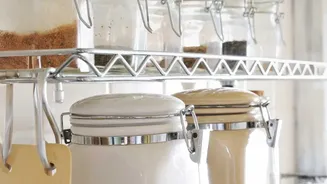
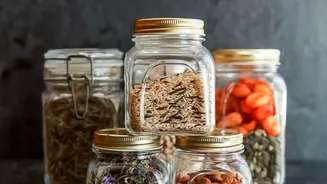
The key to successful food labelling is to make it an easy part of your routine. You don’t need fancy equipment. A roll of masking tape and a permanent marker kept near your storage containers can work perfectly. For a more reusable option, consider erasable chalkboard labels or reusable silicone labels that you can write on with a dry-erase marker. The goal is to integrate the action into your grocery unloading process. As you decant new items into your containers, take the extra 15 seconds to write and affix a label. It's a small investment of time that pays significant dividends in safety and organisation.
Beyond Safety: Fighting Food Waste and Saving Money
Proper labelling does more than just keep you safe; it’s a powerful tool against food waste. Consumer uncertainty about expiration dates is a major contributor to household food waste. When you can see at a glance that a particular lentil packet is nearing its 'Best Before' date, you're more likely to plan a meal around it. This simple act of prioritising older ingredients prevents food from being thrown away simply because it was forgotten at the back of the cupboard. Over time, this mindful consumption leads to significant savings on your grocery bills, turning a simple organisational habit into a smart financial one.