





The Monsoon Mountain Dilemma
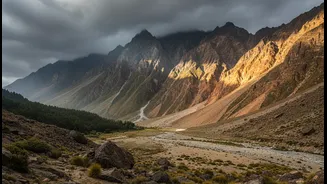
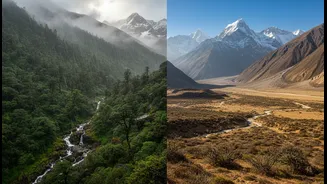
For many, the Indian monsoon (June to September) is a time to avoid the Himalayas. Popular destinations in states like Uttarakhand and Himachal Pradesh face significant risks. Relentless rains saturate the soil, leading to frequent and often devastating
landslides that block roads, wash away bridges, and leave tourists stranded. News from July 2026 highlights red alerts and warnings of intense rainfall and potential flash floods in these regions, urging travellers to be cautious. The dream of misty mountains can quickly turn into a logistical nightmare of cancelled plans and safety concerns, with authorities often advising against non-essential travel. This seasonal danger effectively closes off large parts of the mountains for tourism, leaving many adventure-seekers looking for safer options.
A Sanctuary in the Rain Shadow
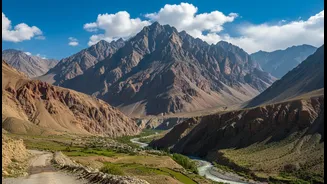
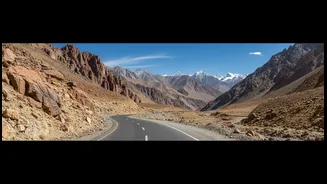
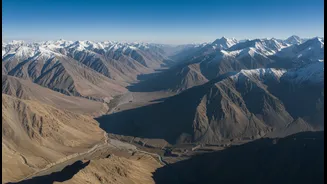
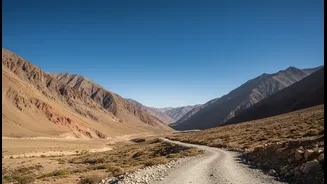
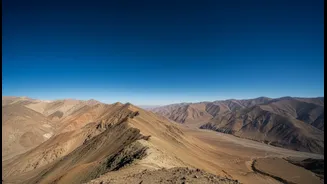
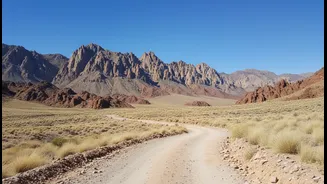
The secret to Ladakh and Spiti's dry climate lies in a geographical phenomenon called the rain-shadow effect. The towering Pir Panjal and Great Himalayan ranges act as a massive barrier, forcing the moisture-laden monsoon clouds from the south to rise and shed their rain on the windward slopes. By the time these clouds cross over the high passes into Ladakh and Spiti, they have little moisture left. This process creates a high-altitude cold desert environment, characterized by minimal rainfall, barren mountains, and clear, sunny skies even in the peak of the monsoon. While the rest of the country is drenched, these valleys remain remarkably dry, making them ideal for travel and exploration.
Ladakh: The Land of High Passes
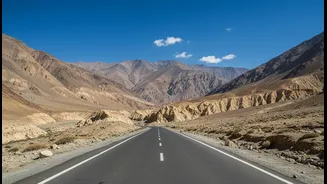
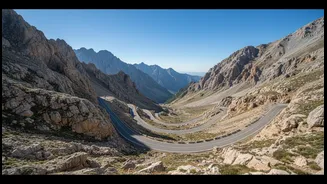
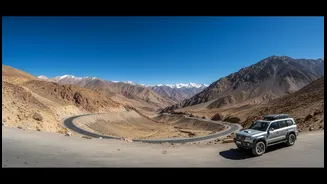
July and August are peak season in Ladakh for a reason. With the monsoon having a limited effect, travellers can enjoy pleasant daytime temperatures and wide-open landscapes under brilliant blue skies. This is the perfect time to explore iconic sights like the turquoise Pangong Tso, the high-altitude Tso Moriri, and the sand dunes of the Nubra Valley, reached via the famous Khardung La pass. The region's monasteries, such as Thiksey and Hemis, are fully accessible, and the dry weather is ideal for trekking and road trips. However, it's important to note that climate change is bringing some shifts, with recent years seeing slightly more rain than usual, which can increase risks of localized flash floods on the dry, unabsorbent terrain. Also, while Ladakh itself is dry, the approach roads, particularly the Manali-Leh highway, can be affected by landslides in their lower-altitude stretches.
Spiti: A World Within a World
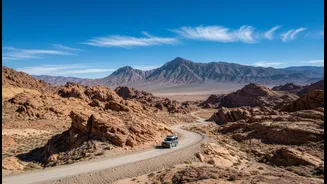
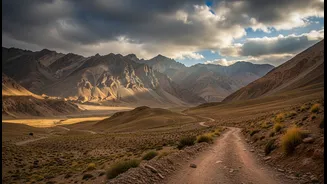
Spiti Valley offers a rawer, more remote adventure. Like Ladakh, it remains protected from the heavy monsoon rains, offering a similar window for exploration from June to September. This cold desert, described as 'a world within a world', is known for its stark, moon-like landscapes, ancient Buddhist monasteries perched on cliffs like Key and Dhankar, and some of the world's highest inhabited villages. The culture here is deeply tied to Tibetan Buddhism, and a journey through Spiti is as much a cultural immersion as it is a scenic one. While the valley itself is safe from downpours, getting there requires careful planning. The two main routes, from Shimla via Kinnaur and from Manali via Kunzum Pass, can face disruptions in their lower reaches due to rain. It's always wise to build extra buffer days into your itinerary.
Planning Your High-Altitude Escape
A trip to these rain-shadow regions requires smart preparation. Acclimatization is non-negotiable; spend at least a day or two resting at high altitude (like in Leh or Kaza) to prevent altitude sickness. While the days can be warm and sunny, temperatures drop significantly at night, so packing layers is essential. Carry sunscreen, sunglasses, and enough cash, as ATMs are scarce in remote areas. Given the unpredictability of mountain roads, even on the approach, it's crucial to have a flexible itinerary with buffer days. Flying directly into Leh is often a more reliable option during the monsoon than undertaking the long road journeys. Before setting out, always check the latest road status updates from local authorities and the Border Roads Organisation (BRO).