




In our busy, often sedentary lives, finding time for exercise can feel like a challenge. But what if staying active didn't require a gym membership or intense workouts? Gentle, at-home walking breaks are an accessible and effective solution.
The Power of Gentle Movement
You don't
need to run a marathon to reap the rewards of physical activity. The idea that exercise must be punishing to be effective is a myth. Gentle movement, especially when spaced throughout the day, offers profound benefits. Breaking up long periods of sitting with short walks can improve circulation, boost energy levels, and enhance mental focus. Research shows that even five- to ten-minute movement 'snacks' can improve cardiovascular health and help manage blood sugar levels. This low-impact approach is also ideal for protecting your joints, making it a sustainable practice for people of all fitness levels, including those returning from injury or new to exercise.
Getting Started: No Equipment Needed
The easiest way to start is by walking in place. You can do it anywhere in your home—while watching television, listening to a podcast, or during a phone call. To begin, simply march on the spot. Focus on maintaining good posture with your back straight and core engaged. Swing your arms naturally as you would during an outdoor walk to increase your heart rate and calorie burn. For many, starting with just five to ten minutes at a time is a great entry point. The key is consistency. You can find numerous free videos online that guide you through simple, five-minute to 20-minute indoor walking routines, often with encouraging music and visual cues to keep you motivated.
How to Structure Your Walking Breaks
If you work from home or have a desk job, prolonged sitting can take a toll. Health experts recommend moving for a few minutes every hour. Set a timer to remind yourself to get up and walk. A simple strategy is the '20-8-2' method: 20 minutes of sitting, followed by 8 minutes of standing and 2 minutes of moving. Alternatively, aim for a 5- to 10-minute walking break every hour. Use this time to walk around your house, march in place, or even climb a flight of stairs. These short bursts of activity disrupt sedentary patterns and contribute significantly to your daily movement goals. Over time, these brief walks can add up, potentially burning a surprising number of calories and increasing your daily step count.
Making Your Walks More Engaging
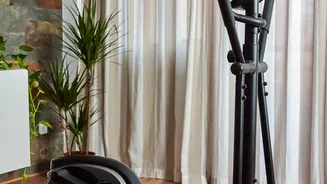
Walking in place can become monotonous, but there are simple ways to make it more interesting and effective. Vary your movements by marching with high knees, doing leg curls, or tapping your feet side to side. Listening to an upbeat music playlist, a compelling audiobook, or your favourite podcast can make the time fly by. You can also turn household chores into a workout; vacuuming, mopping, or gardening are all forms of movement. If you decide to invest in your routine, a small step platform can add intensity, while an under_desk treadmill or walking pad allows you to walk slowly while you work.
Building a Sustainable Habit
The best exercise is the one you do consistently. To build a lasting habit, start small and set realistic goals. Instead of aiming for an hour long session, commit to three 10 minute walks throughout your day. Track your progress with a fitness tracker or a simple notebook to stay motivated. It can also help to link your new habit to an existing one, such as taking a short walk right after finishing a meal. Most importantly, listen to your body. Some days you will have more energy than others. The goal is not perfection but persistence. Celebrate your consistency and acknowledge that every step you take is a positive choice for your health.