





The Strain of Global Fame
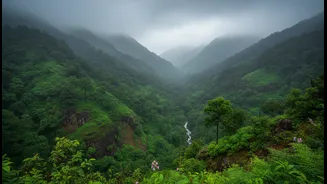
For centuries, the jing kieng jri, or living root bridges, have served as vital connectors for Khasi communities, weaving across swollen rivers in one of the wettest places on Earth. Grown over decades from the aerial roots of rubber trees (Ficus elastica),
these structures are a testament to intergenerational stewardship. However, their inclusion on UNESCO's tentative World Heritage list and viral social media fame turned these lifelines into crowded tourist hotspots. The most popular bridges, like the ones in Nongriat and Riwai, began showing signs of stress, not from nature, but from humanity. Unregulated foot traffic, mounds of plastic waste, and the construction of concrete amenities nearby threatened the delicate ecosystems that support the bridges. This surge created friction, straining local resources and diluting the serene, sacred nature of the sites that once defined them.
A New Generation of Guardians
Witnessing this degradation, local youth decided they could not stand by. Rather than waiting for top-down intervention, they began organizing. One of the most prominent examples is the Living Bridge Foundation (LBF), started in 2018 by Morningstar Khongthaw, a young activist from Rangthylliang village. Motivated by a mission to preserve both the tangible bridges and the intangible cultural knowledge behind them, these groups serve as a bridge themselves—between ancient traditions and modern challenges. Their goal is to revive the art of creating and maintaining the root bridges, educate their own communities on their value, and sensitize visitors. These youth-led initiatives are not just about preservation; they represent a powerful assertion of community ownership and a sustainable vision for the future of their heritage.
From Chaos to Coordination
The strategies employed by these youth groups are practical and effective. They work with village elders to repair older bridges and even construct new ones, meticulously documenting the process for the first time. To manage the tourist influx, they have been instrumental in establishing and enforcing new rules. At sites like the Nongriat double-decker bridge, this includes prohibiting bathing in natural pools and limiting the number of people who can be on the bridge at one time. They have also become the primary guides, leading treks, sharing the history of the bridges, and educating tourists on respectful behaviour. Furthermore, they are pioneering waste management systems and promoting community-based tourism models that ensure economic benefits are distributed among local households, from homestays to craft sales. This hands-on approach is transforming overcrowded sites into managed destinations.
Rewriting the Tourism Script
While the headline's term "eradicate" may be an ongoing mission rather than a finished task, the impact is undeniable. These community-driven efforts are significantly reducing the friction caused by mass tourism. Trails are cleaner, tourists are better informed, and the structural health of the bridges is being actively monitored and maintained. Organisations like the Living Bridge Foundation, supported by partners like the UNDP, are helping villages determine their 'carrying capacity'—the number of visitors they can sustainably host. They are also curating new experiences, like cultural events and birdwatching tours, to diversify attractions and spread tourist footfalls away from the most congested spots. This creates a more resilient local economy that doesn't rely solely on a few overburdened sites. The model is so successful that it is being seen as a blueprint for other fragile destinations across India facing similar pressures from overtourism.