








What is a Heritage-Led Trip?
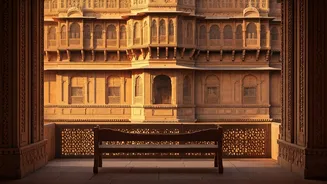
Forget frantic sightseeing and ticking off monuments from a list. A heritage-led trip is an immersive experience designed around history, culture, and living traditions. It’s about quality over quantity. Instead of just visiting a fort in Rajasthan, you
might stay in a restored 300-year-old haveli within its walls, learning about its architecture from the family that still owns it. Instead of a quick photo at a temple, you might spend a weekend in Chettinad, learning to cook the region’s distinctive cuisine in a grand ancestral mansion. These trips are shorter, often just two to four days, but they are packed with authenticity. The focus is on storytelling, tactile experiences, and understanding the context of a place, not just observing it from a distance.
Why This Trend is Booming Now
The resurgence of heritage travel is no accident. The pandemic was a major catalyst. With international borders closed, urban Indians rediscovered the treasures in their own backyard. This forced exploration bred a genuine appreciation for domestic travel. Furthermore, months of lockdown and digital saturation created a deep craving for tangible, real-world experiences. People grew tired of cookie-cutter hotel rooms and sought out places with character and a story. There's also a powerful sense of 'conscious travel' at play. Travellers are increasingly aware of their impact, preferring to support local communities, sustainable restoration projects, and family-run businesses over large, impersonal chains. A short trip to a heritage property often feels more meaningful and less extractive.
Driven by a New Generation
Interestingly, this trend isn't just being driven by older generations nostalgic for the past. Millennials and Gen Z are at the forefront. For them, heritage isn't a dusty chapter in a textbook; it's a source of identity and pride. They are using travel to connect with their roots in a way that feels personal and cool. Social media plays a huge role. The aesthetic appeal of a beautifully restored haveli, a colonial bungalow, or a Keralan tharavad is undeniable. These trips provide unique, story-rich content that stands out in a sea of generic beach photos. This generation is curious, well-informed, and seeks experiences that offer both relaxation and learning. They don’t just want a holiday; they want a narrative.
Beyond the Obvious Destinations
While Rajasthan's forts and palaces are classic examples, the heritage travel trend extends across India. In Goa, travellers are looking beyond the beaches to stay in restored Portuguese-era villas in quiet inland villages. In Punjab, farm stays offer a glimpse into the region’s rich agricultural heritage. The mansions of Chettinad in Tamil Nadu are becoming destinations in their own right, famous for their unique architecture and fiery cuisine. In the hills of Uttarakhand and Himachal, colonial-era bungalows and hunting lodges have been converted into boutique stays that transport guests to another time. Even in bustling cities, heritage walks that explore old quarters, forgotten histories, and culinary traditions are seeing a massive spike in popularity, offering a mini-escape without even leaving town.
The Rise of the Curated Experience
This boom has been enabled by a new ecosystem of boutique travel operators and property owners. These aren't large tour companies but passionate individuals—historians, conservation architects, and ancestral property owners—who act as curators. They craft itineraries that go beyond the surface, connecting travellers with local artisans, chefs, and storytellers. They ensure that the properties are restored with respect for their original character while providing modern comforts. This curated approach makes heritage accessible and removes the intimidation factor. You don't need to be a history expert to enjoy these trips; you just need to be curious. The host or guide becomes your bridge to the past, making the experience engaging and deeply personal.