



Why the Monsoon Magnifies Food Risks
The monsoon's arrival is a welcome relief from summer heat, but it also creates a perfect storm for germs. The combination of high humidity and ambient warmth is an ideal breeding ground for harmful bacteria, viruses, and fungi. This means that all food,
especially fresh produce, is more susceptible to spoilage and contamination. Furthermore, heavy rains can lead to waterlogging and contamination of water supplies, which may be used to irrigate or wash vegetables. This increases the chance of disease-causing microorganisms like E. coli and Salmonella finding their way onto your food.
The Unseen Dangers on Your Plate
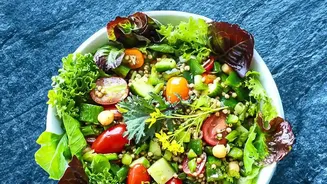
Leafy green vegetables, which form the base of many salads, are particularly vulnerable. Their many folds and crevices can trap dirt, germs, and even tiny larvae that are difficult to remove with a simple rinse. Vegetables like cabbage, cauliflower, and broccoli can also hide pests and microbes in their dense florets. Consuming produce contaminated with pathogens can lead to a host of monsoon-related illnesses, including food poisoning, gastroenteritis, diarrhoea, typhoid, and amoebiasis. Symptoms often include stomach cramps, vomiting, and fever, turning a healthy meal into a source of sickness.
How to Choose and Clean Produce Safely
You don't have to give up salads completely; you just need to be more vigilant. Start at the market by selecting vegetables that are fresh, firm, and free from bruises or signs of decay. Avoid pre-cut vegetables, as the exposed surfaces can easily become contaminated. Once home, the cleaning process is crucial. Wash all vegetables thoroughly under clean, running water. For leafy greens, it's best to soak them in a bowl of water with a bit of salt or vinegar for about 15 minutes to help dislodge hidden dirt and microbes before rinsing again. Using a vegetable brush on produce with thicker skins is also a good practice. Always ensure the water used for washing is potable, either filtered or boiled.
Smart Swaps and Safer Preparations
If you remain wary of fully raw preparations, consider smart alternatives that reduce risk. Lightly steaming, blanching, or stir-frying your vegetables can kill most harmful microorganisms while retaining a pleasant crunch and most nutrients. This method is particularly recommended for dense vegetables like broccoli and cauliflower. You can also shift the base of your salads away from leafy greens. Consider building a salad around cooked ingredients like chickpeas, kidney beans, corn, or roasted sweet potatoes. These options provide a satisfying and nutritious meal without the risks associated with raw greens.
Mindful Handling and Storage
Food safety extends beyond just washing. Always wash your hands with soap before handling food. Use separate cutting boards and knives for fresh produce and raw meat to prevent cross-contamination. Once your salad is prepared, it's best to consume it immediately. High humidity can cause food to spoil quickly, even cooked meals, so leaving salads out at room temperature for extended periods is not advisable. If you have leftovers, refrigerate them promptly in clean, airtight containers and consume them within a day.