


From Pond to Pan
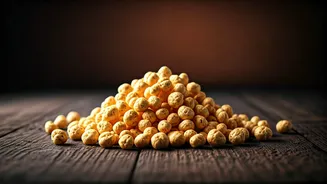
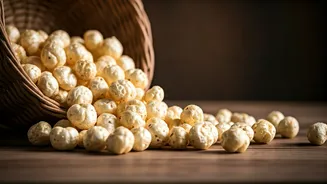
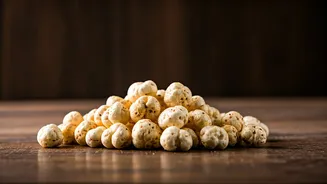
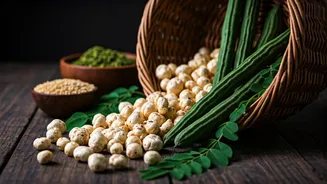
For generations, makhana, or fox nuts, were a quiet staple. Harvested from the stagnant ponds of Bihar’s Mithila region, these puffy, white seeds of the prickly water lily were associated with tradition and ritual. They were the go-to food during religious
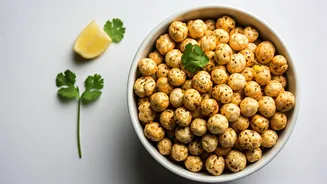
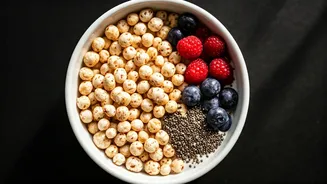
fasts like Navratri, a light meal for new mothers, or an ingredient in rich kheer and savoury curries. Outside of these specific uses, however, makhana rarely took centre stage. It was a regional specialty, a humble food prepared simply at home—roasted in a little ghee, sprinkled with rock salt, and enjoyed as a light, airy snack. Its journey from the muddy waters of a pond to a family’s kitchen was laborious, but its place in the cultural pantry was secure, albeit niche.
The Nutritional Glow-Up
The secret to makhana's modern ascent lies in its incredible nutritional profile, which seems almost tailor-made for today's wellness-obsessed consumer. These unassuming puffs are a powerhouse of nutrients. They are low in calories and fat, making them an ideal guilt-free snack. They are gluten-free, catering to a growing demographic with dietary sensitivities. Furthermore, makhana is rich in protein, magnesium, potassium, and fibre. Its low glycemic index means it releases energy slowly, preventing the sugar spikes and crashes associated with many processed snacks. In a world where we meticulously read labels and count calories, makhana ticks all the right boxes. It's not just a snack; it's a functional food that delivers benefits without compromising on the satisfying crunch we all crave.
A Modern Market Makeover
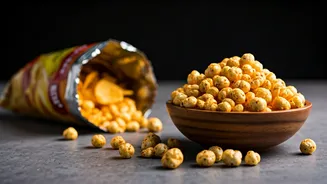
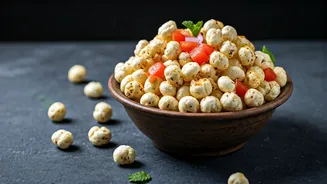
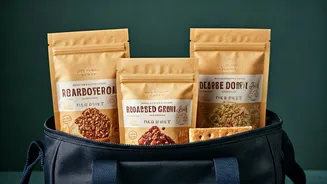
The real game-changer for makhana was its commercial reinvention. As entrepreneurs and food companies recognised the gap in the market for healthy, convenient Indian snacks, the humble makhana was ready for its close-up. Suddenly, it was no longer just a home-roasted commodity. It was packaged in slick, resealable bags and placed strategically in the snack aisles of supermarkets, in the pantries of corporate offices, and even at multiplex cinema counters. The simple salt-and-ghee flavour was joined by an explosion of new options designed for the modern palate: peri-peri, pudina, cheese and herbs, wasabi, and caramel. This transformation turned makhana from a 'fasting food' into an 'anytime snack', appealing to everyone from busy professionals to health-conscious parents packing school tiffins.
The Snack for a New India
Makhana's popularity is not happening in a vacuum. It perfectly reflects the aspirations and anxieties of the new Indian consumer. There is a growing pride in traditional Indian foods and ingredients, coupled with a global awareness of health trends. Makhana represents the best of both worlds. It is authentically Indian, yet it meets the international criteria for a 'superfood'. It provides a solution to the modern dilemma of wanting convenience without sacrificing health. In a market flooded with fried chips and sugary biscuits, roasted makhana stands out as a wholesome, homegrown alternative. Its rise signifies a broader shift in our collective food consciousness: a move towards mindful eating and a celebration of our own rich agricultural heritage.