





Understanding the Fats on Your Plate
Dietary fats are essential for our bodies, providing energy and helping absorb vitamins. However, the type of fat you consume matters immensely. Fats are broadly categorised into two groups: saturated and unsaturated. Saturated fats, commonly found in animal
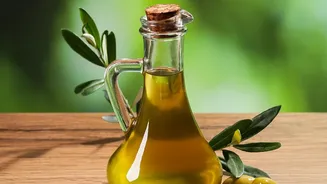
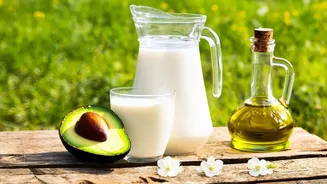
products like butter, ghee, fatty meats, and full-fat dairy, are typically solid at room temperature. Unsaturated fats, on the other hand, are usually liquid at room temperature and are found in plant-based sources like vegetable oils, nuts, seeds, and avocados. This category is further divided into monounsaturated fats (found in olive oil, canola oil, and avocados) and polyunsaturated fats (found in sunflower oil, walnuts, and fatty fish like salmon). The fundamental difference in their chemical structure is what determines their effect on your body and, specifically, your cardiovascular system.
The Problem with Excess Saturated Fat
When you consume too much saturated fat, it can lead to an increase in low-density lipoprotein (LDL) cholesterol in your blood. LDL is often called the "bad" cholesterol because high levels cause plaque—a fatty, waxy substance—to build up inside your arteries. This process, known as atherosclerosis, narrows the arteries, making them stiff and less flexible. Think of it like a plumbing problem: over time, the pipes get clogged, restricting flow. This reduced blood flow can lead to serious health issues, including high blood pressure, and it significantly increases the risk of heart attack and stroke. Health guidelines in the UK, for instance, recommend that an average man consume no more than 30g and a woman no more than 20g of saturated fat per day to mitigate these risks.
The Protective Power of Unsaturated Oils
This is where unsaturated fats come to the rescue. Swapping saturated fats for unsaturated ones, particularly polyunsaturated fats, is one of the most effective dietary changes for heart health. Research from the American Heart Association highlights that making this switch can reduce the risk of heart disease by about 30%, an effect comparable to some cholesterol-lowering medications. Unsaturated fats work in a few key ways. They help lower LDL ("bad") cholesterol levels while often helping to maintain or even increase high-density lipoprotein (HDL) cholesterol, known as the "good" cholesterol that helps remove excess cholesterol from your arteries. Furthermore, studies suggest monounsaturated fats may have additional benefits, including reducing blood pressure and improving insulin sensitivity.
Simple Swaps for Cleaner Vessels
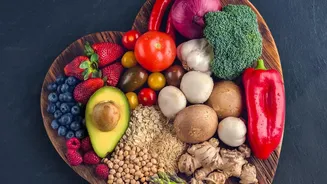
Making changes doesn't have to be overwhelming. The key is to focus on simple, sustainable substitutions. Instead of cooking with butter or ghee, try using olive oil, sunflower oil, or canola oil. When you're making a sandwich, swap out cheese or processed meat for a spread of avocado or a sprinkle of nuts and seeds. For snacks, reach for a handful of walnuts or almonds instead of packaged fried foods. In recipes that call for fatty cuts of meat, consider using leaner options like chicken breast without skin or incorporating more beans and lentils. Even small adjustments, like choosing reduced-fat dairy products or trimming visible fat from meat before cooking, can significantly decrease your saturated fat intake over time.
Reading Labels and Making Conscious Choices
Becoming a savvy shopper is a powerful tool. When you're at the grocery store, take a moment to read the nutrition labels. Look for the "saturates" or "sat fat" line to compare products. Foods with more than 5g of saturates per 100g are considered high in saturated fat. By choosing options lower in saturated fat and higher in unsaturated fats, you actively support your cardiovascular health with every meal. It's not about eliminating fat entirely—it's about choosing the right kinds. The goal is to shift the balance in your diet, prioritising the fats that protect your vessels over those that clog them.