



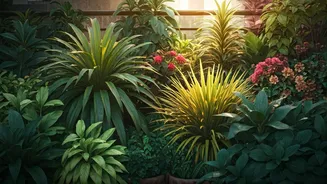


The Smart Shift to Local Roots
For years, the ideal urban garden was often a collection of colourful, but often demanding, exotic plants. While visually appealing, these species frequently require specific soils, regular fertilisers, and more water to thrive in a non-native setting.
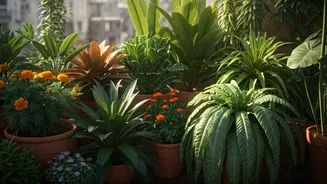
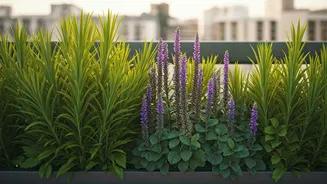
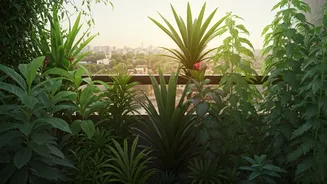
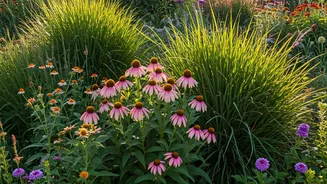
Now, a more sustainable and practical approach is taking root. [9] Urban gardeners are increasingly embracing native plants—species that have naturally evolved in a specific region and are perfectly adapted to the local climate and soil. [11] This isn’t about sacrificing beauty; it's about choosing a smarter, more resilient form of gardening that works with nature, not against it. These plants are inherently tougher and better suited to survive local conditions, from scorching summers to monsoon humidity. [14, 18]
A Garden That Gives Back
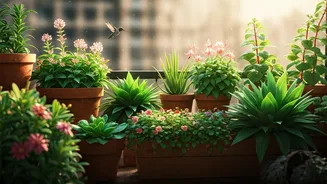
Perhaps the most significant benefit of planting native species is the positive impact on local ecosystems. Native plants provide essential food and habitat for local wildlife, including birds, butterflies, bees, and other pollinators that have co-evolved with them over millennia. [3, 4] When you plant a native like the Palash or Indian Laburnum, you’re not just adding a plant; you're creating a microhabitat that supports a complex food web. [5, 6] In contrast, many exotic ornamentals are unrecognisable to local pollinators as a food source, creating what some ecologists call a 'food desert'. [20] By choosing native flora, urban gardeners can help restore pockets of biodiversity in cities, creating crucial corridors for wildlife displaced by urban sprawl. [14]
Less Work, More Reward
The practical advantages for the gardener are a major driver of this trend. Because native plants are adapted to local conditions, they are generally low-maintenance. [12] They tend to be more drought-tolerant, requiring less water once established. [3] They also have a natural resistance to local pests and diseases, which significantly reduces the need for chemical pesticides and fertilisers. [8, 14] This not only saves the gardener time, money, and effort but also fosters a healthier, chemical-free environment. [12] Plants like Tulsi (Holy Basil) are even known for their natural pest-repellent properties, benefiting the entire balcony garden. [5]
An Authentic Indian Aesthetic
Beyond the ecological and practical benefits, there's a growing appreciation for the unique beauty of India's native flora. Gardening with native species helps create a 'sense of place', reflecting the region's natural heritage rather than a generic global look. [9] Plants like the fragrant Frangipani, sacred Peepal, and vibrant Marigold are deeply woven into India's cultural fabric. [6, 10, 14] Incorporating them into urban landscapes preserves this cultural identity and offers an aesthetic that is both authentic and beautiful. [11] Instead of a balcony that could be anywhere in the world, a native garden becomes a celebration of local nature.
Easy Ways to Go Native
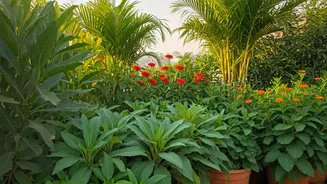
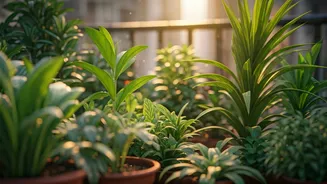
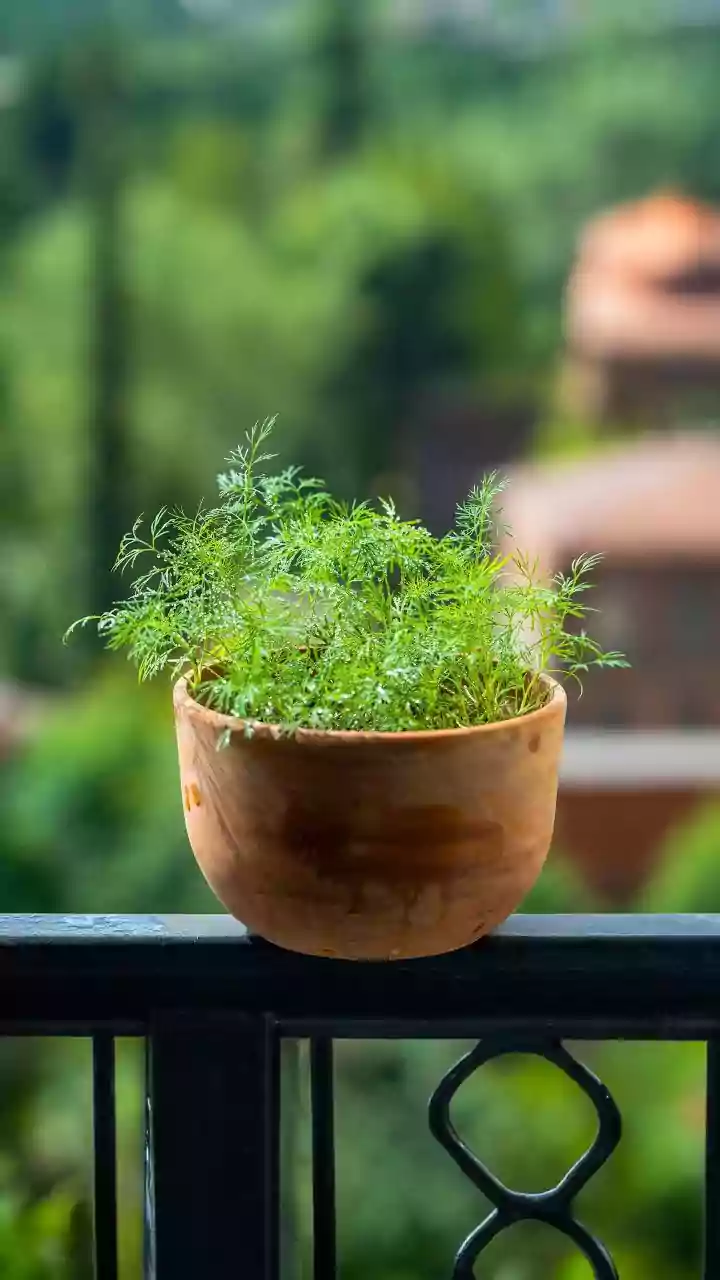
Getting started is simpler than you might think. Many native plants are perfect for container gardening on balconies and terraces. For fragrant blooms that thrive in the heat, consider the Curry Leaf plant or Hibiscus. [10, 16] If you have a sunny spot, Marigolds are famously hardy and help repel pests. [13] For those with less direct light, plants like the Areca Palm can add a lush, tropical feel while also purifying the air. [17] Even herbs with deep cultural and culinary roots, like Tulsi and mint, are easy to grow in pots and are perfectly adapted to Indian climates. [19] The key is to start small and choose plants suited to the specific light and space conditions of your own urban oasis. [5]