



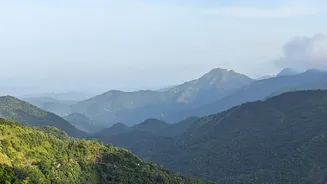

Sakleshpur: The Quieter Coffee Country
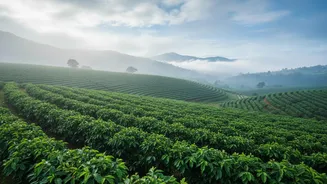
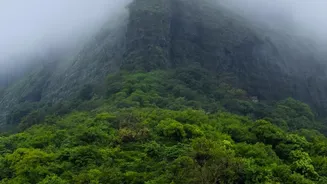
Often called the ‘Poor Man’s Ooty’, Sakleshpur is a serene hill station in the Malnad region that offers a similar charm to Coorg but with a fraction of the tourists. Just a four-to-five-hour drive from Bengaluru, this town transforms into a lush green
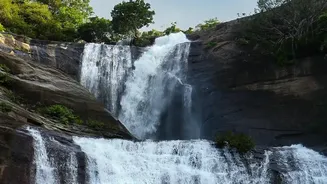
paradise during the rains. The landscape is dominated by sprawling coffee, cardamom, and spice plantations that release a fresh, earthy aroma into the misty air. The monsoon swells the region’s waterfalls, like Magajahalli and Hadlu, making them spectacular sights. For adventurers, the season opens up thrilling trekking opportunities along now-slippery but stunning trails, including the famous Railway Bridge Trek on the abandoned meter-gauge line. A key attraction is the 18th-century, star-shaped Manjarabad Fort, which seems to float in the clouds on a foggy day, offering panoramic views of the Western Ghats. Unlike crowded tourist hubs, Sakleshpur promises a slower pace, perfect for quiet homestay holidays and soaking in the rain-washed beauty of the hills.
Agumbe: The Rainforest Realm
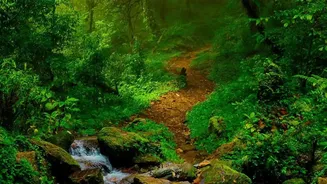
For those who truly love the rain, there is Agumbe. Nicknamed the ‘Cherrapunji of the South’, it receives some of the highest rainfall in the region, turning its dense forests into a vibrant, living ecosystem. This is not a trip for the faint-hearted; it’s an immersive rainforest experience. The area is a biodiversity hotspot, teeming with unique flora and fauna, including the majestic King Cobra, studied at the local rainforest research station. During the monsoon, the waterfalls here, such as Barkana and Jogi Gundi, are powerful and magnificent, though access can sometimes be restricted for safety reasons. The drive up the winding ghat road is an adventure in itself, with hairpin bends revealing breathtaking views of the mist-filled valleys. Key viewpoints like the Sunset View Point offer a surreal experience as clouds drift below you. A trip to Agumbe is less about ticking off sights and more about surrendering to the overwhelming beauty of a rainforest at its peak vitality.
BR Hills: Where Forest Meets the Clouds
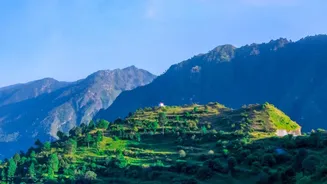
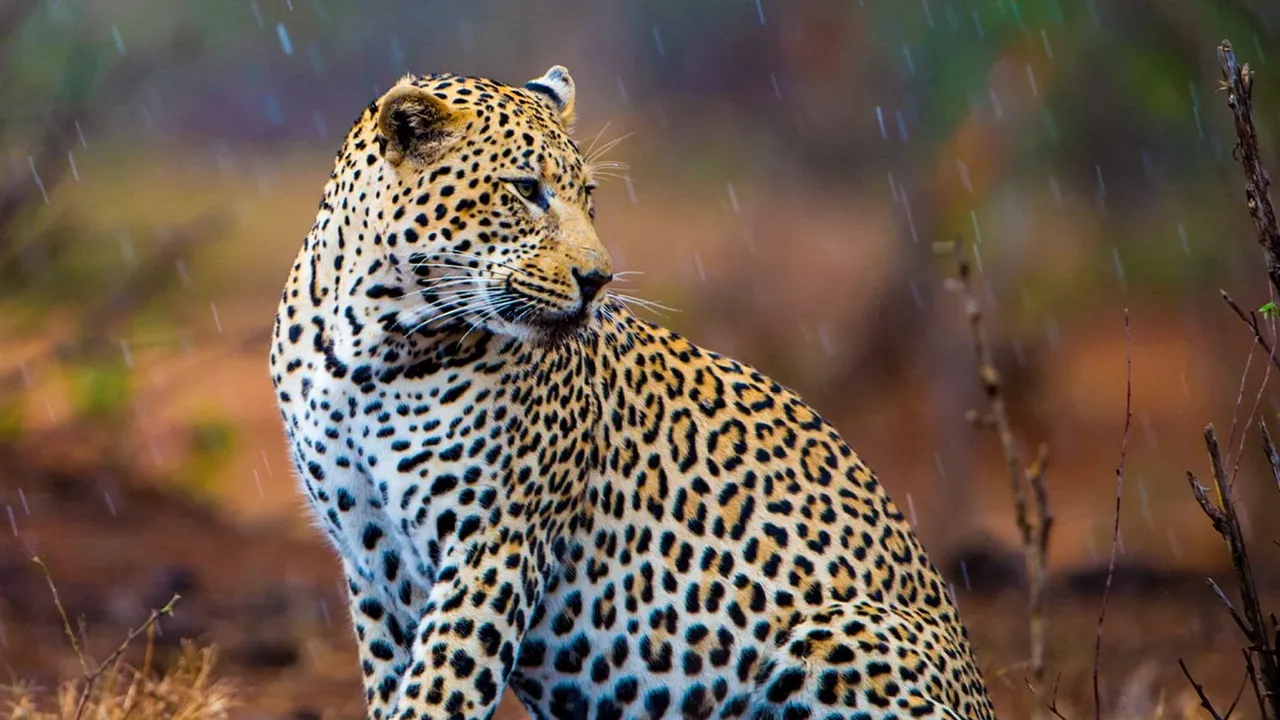
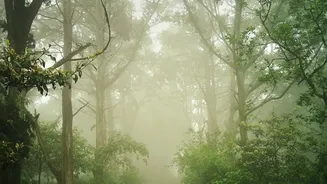
The Biligiriranga Hills, or BR Hills, offer a different kind of monsoon escape where the Eastern and Western Ghats meet. It’s a designated tiger reserve, and while wildlife sightings can be a matter of luck in the dense monsoon foliage, the forest itself is the main attraction. The rains transform the landscape into a canvas of fluorescent greens, with thick fog often descending upon the hills, creating a mystical atmosphere. A drive through the winding forest roads is an enchanting experience, with chances to spot deer and a variety of birds rejoicing in the wet weather. The ancient Biligiriranga Swamy Temple, perched atop the highest peak, offers breathtaking panoramic views of the cloud-covered hillsides. While some adventure activities might be limited by the rain, the sheer peace and the raw, unfiltered beauty of the jungle make BR Hills a compelling choice for those seeking solitude and a deep connection with nature. It’s a place to witness the forest breathe and rejuvenate.
Shivanasamudra: The Roaring Twin Falls
While hill stations get all the attention, the monsoon is when waterfalls are at their most majestic. Just a three-hour drive from Bengaluru, the Shivanasamudra Falls are a spectacular display of nature's power. Here, the River Kaveri splits into two, creating the twin cascades of Gaganachukki and Bharachukki. During the peak rainy season, these falls are not gentle cascades but thunderous torrents of water plunging down a 75-metre gorge, spraying a fine mist all around. It is one of the most powerful waterfalls in the country and an awe-inspiring sight. While swimming and coracle rides are suspended for safety during this time, the designated viewpoints provide a safe and stunning perspective of the roaring waters. As a relatively short trip, it's perfect for a weekend or even a long day trip, offering a dramatic and easily accessible alternative to a multi-day hill station sojourn. It serves as a powerful reminder of the monsoon's dramatic impact on the Deccan landscape.