



Hydration is Your First Defence
One of the simplest and most effective strategies against congestion is to stay well-hydrated. Drinking plenty of fluids, especially water, helps to thin the mucus in your nasal passages. When mucus is thinner, it's easier for your body to drain it, which
can relieve that feeling of pressure and blockage. While plain water is excellent, warm beverages like herbal tea or clear broths can be particularly comforting. The warmth and steam from the drink can provide an additional, immediate sense of relief by helping to loosen mucus. Try to avoid drinks that can lead to dehydration, such as those containing alcohol or caffeine.
The Power of Steam and Humidity
Breathing in moist air is a time-honoured remedy for nasal congestion. Steam helps to soothe irritated nasal tissues and loosen trapped mucus. An easy way to do this is to take a hot shower and breathe in the warm, steamy air. Another popular method is steam inhalation: carefully lean over a bowl of hot water, drape a towel over your head to trap the steam, and inhale deeply for several minutes. While some studies on the clinical effectiveness of steam show mixed results, many people report subjective relief from it. Adding a cool-mist humidifier to your room, especially while you sleep, can also help by adding moisture to the air, preventing your nasal passages from drying out. Just be sure to clean the humidifier daily to prevent the growth of bacteria or mould.
Saline Sprays and Rinses
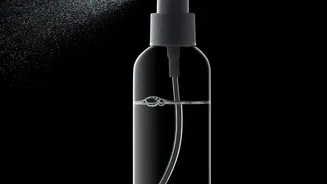
Over-the-counter saline nasal sprays are a gentle, drug-free option to relieve stuffiness. A saline solution is simply a mixture of salt and sterile water that mimics your body's own fluids. When sprayed into the nostrils, it helps to moisturize dry nasal passages, thin out thick mucus, and flush out irritants like pollen or dust. Nasal irrigation, using a device like a neti pot with a saline solution, performs a similar function by rinsing the nasal passages. It's crucial to use only distilled, sterile, or previously boiled and cooled water for nasal rinsing to avoid introducing harmful bacteria.
Warmth and Positional Relief
Sometimes, simple comfort measures can make a significant difference. Applying a warm, damp washcloth to your face can help ease sinus pressure and provide a soothing sensation. The warmth may help to open up the nasal passages and relieve discomfort. Some find that alternating between a warm compress and a cold compress can also be effective. How you rest matters, too. When you lie flat, mucus can pool and worsen congestion. Try elevating your head with an extra pillow or two at night. This uses gravity to help your sinuses drain more effectively, which can lead to more comfortable breathing and better sleep.
From the Indian Kitchen
Many traditional Indian remedies for colds and congestion are built around common kitchen ingredients. Ginger, often used in 'kadha' or herbal teas, is known for its anti-inflammatory properties and can work as a natural antihistamine. Turmeric contains curcumin, a compound with potent anti-inflammatory effects that has been shown in some studies to improve symptoms like runny nose and congestion. Enjoying a warm cup of ginger or turmeric tea can be soothing. Similarly, incorporating spicy foods with ingredients like chilli peppers may offer temporary relief. The capsaicin in peppers can help thin mucus, encouraging it to drain.