








What Exactly Is a Self-Transfer?
A self-transfer is when you book two or more separate flights to get to your final destination instead of a single, protected itinerary from an airline. For example, instead of buying one ticket from Mumbai to New York via Dubai, you might book one flight from Mumbai to Dubai and
a completely separate ticket from Dubai to New York. This gives you the flexibility to mix and match airlines, including low-cost carriers that don't partner with major airlines, often resulting in a lower total price. However, these are not connecting flights in the traditional sense; they are independent journeys, and airlines treat them as such.
The Big Risks of a DIY Connection
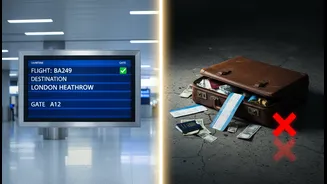
The main reason self-transfers need more research is that you are solely responsible for making your connection. If your first flight is delayed or cancelled, the second airline has no obligation to rebook you for free; you will likely be considered a no-show and lose the money for that ticket. Another major hurdle is checked baggage. With separate tickets, you must collect your bags at your layover airport, exit the secure area, and re-check them for your next flight, which includes paying any applicable fees again. This process takes significant time and requires you to clear security a second time. For international transfers, you may even need to pass through immigration and customs, which could require a transit visa for a country you only intended to pass through.
How to Book a Self-Transfer Safely
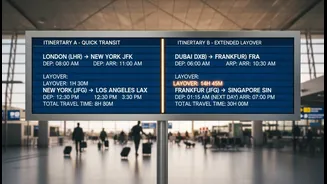
Despite the risks, you can make a self-transfer work with careful planning. The most critical factor is time. Experts recommend leaving an exceptionally long layover—at least three to six hours for domestic transfers and even longer for international ones. Booking an overnight layover is the safest bet, as it provides a massive buffer for delays. Whenever possible, travel with only carry-on luggage to avoid the entire process of reclaiming and re-checking bags. Before booking, check the on-time performance history of your first flight to gauge its reliability. Also, thoroughly research visa requirements for your layover country to ensure you are legally allowed to enter to make your connection. Finally, look into travel insurance that specifically covers missed connections on separate itineraries, as not all standard policies do.
Are Third-Party Guarantees a Solution?
Some online travel agencies, like Kiwi.com, have built their business model around selling self-transfer itineraries and offer their own 'transfer protection'. This guarantee typically means that if a delay causes you to miss your connection, the agency will help you find an alternative flight. However, these protections come with their own set of rules. You often need to contact the provider immediately after a disruption, and the replacement flight they offer might be at a much later time or on a less desirable airline. It's crucial to read the fine print of any such guarantee to understand exactly what is covered and what your obligations are. While these services can add a layer of security, they don't eliminate the inherent complexity of a self-transfer journey.