
A Traffic Jam in the Wild
Imagine a sought-after sighting in one of India's famed national parks: a leopard resting on a branch or a tiger emerging from the bush. Within minutes, the quiet rustle of leaves is replaced by the rumble of diesel engines as safari vehicles jostle for
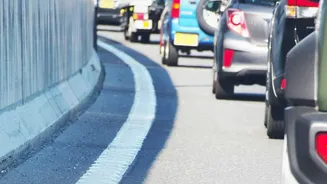
position. This phenomenon, common from the savannas of Africa to the forests of Ranthambore, creates what is essentially a traffic jam in the heart of the wilderness. While for tourists it’s a moment of peak excitement, for the wildlife, this sudden, noisy intrusion is a significant disturbance. Studies show that safari vehicle congestion and high tourist crowd density are among the most significant factors contributing to wildlife disturbance. This intense human pressure can interrupt crucial animal behaviours, turning a moment of natural wonder into a source of stress for the ecosystem's inhabitants.
The Unseen Science of Stress
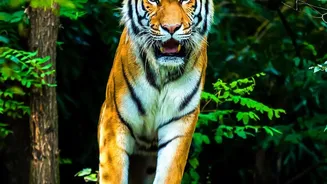
Animals, like humans, experience stress. While acute stress is a natural survival mechanism—helping an animal flee a predator, for instance—chronic stress caused by repeated disturbances can be deeply damaging. Scientists measure this by analysing stress hormones, like cortisol, found in animal droppings. Studies in Indian tiger reserves like Kanha and Bandhavgarh have shown that tigers have significantly higher concentrations of these stress hormones during the peak tourist season. This elevated stress is directly correlated with the number of vehicles on safari trails. Chronic stress doesn't just make an animal feel anxious; it can have long-term consequences, impairing immune function, reducing reproductive success, and ultimately impacting the survival of entire populations.
Altering Natural Rhythms
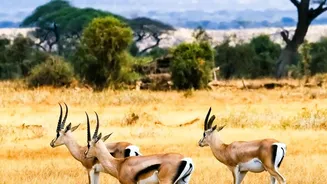
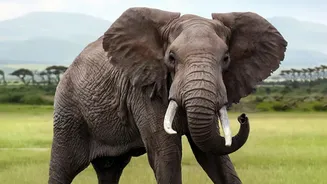
Beyond physiological stress, safari crowding fundamentally changes how animals use their own homes. Research shows that to avoid humans, many species alter their daily activity patterns. For example, a study in Namibia found that carnivores and herbivores changed when they would visit essential waterholes to avoid human presence, creating new and potentially dangerous overlaps between predator and prey. Elephants have been observed moving away from feeding areas when vehicles approach and displaying increased aggression towards both other elephants and safari vehicles under tourist pressure. Cheetahs may be forced to move their cubs more frequently, and lions may shift their hunting times. These are not minor adjustments; they are significant disruptions to feeding, breeding, and social behaviours that have evolved over millennia, all being rewritten by the constant presence of spectators.
Towards Responsible Wildlife Viewing
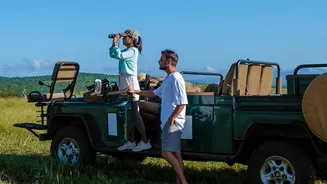
The solution is not to end wildlife tourism, which provides critical funding for conservation and economic support for local communities. Instead, the focus must shift to more responsible management. Many national parks globally are already experimenting with solutions. These include implementing timed-entry reservation systems to cap the number of daily visitors, establishing strict limits on the number of vehicles allowed at a single sighting, and setting mandatory minimum viewing distances. Furthermore, training for guides is crucial, empowering them to prioritize animal welfare over getting a closer shot. As tourists, we also have a role to play. We can choose ethical safari operators who respect park rules, maintain a respectful distance from wildlife, and never pressure guides to break regulations for a better photo opportunity. Our behaviour in the vehicle—staying quiet and avoiding sudden movements—can also make a significant difference.