




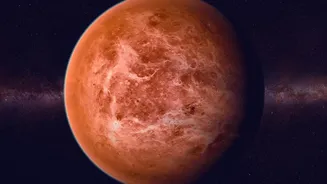
India's Gaze on the Morning Star
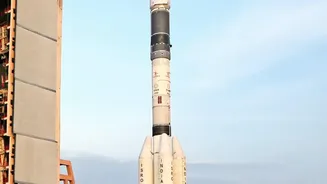
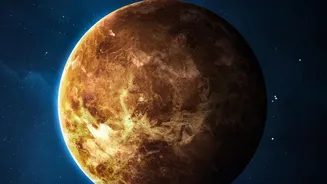
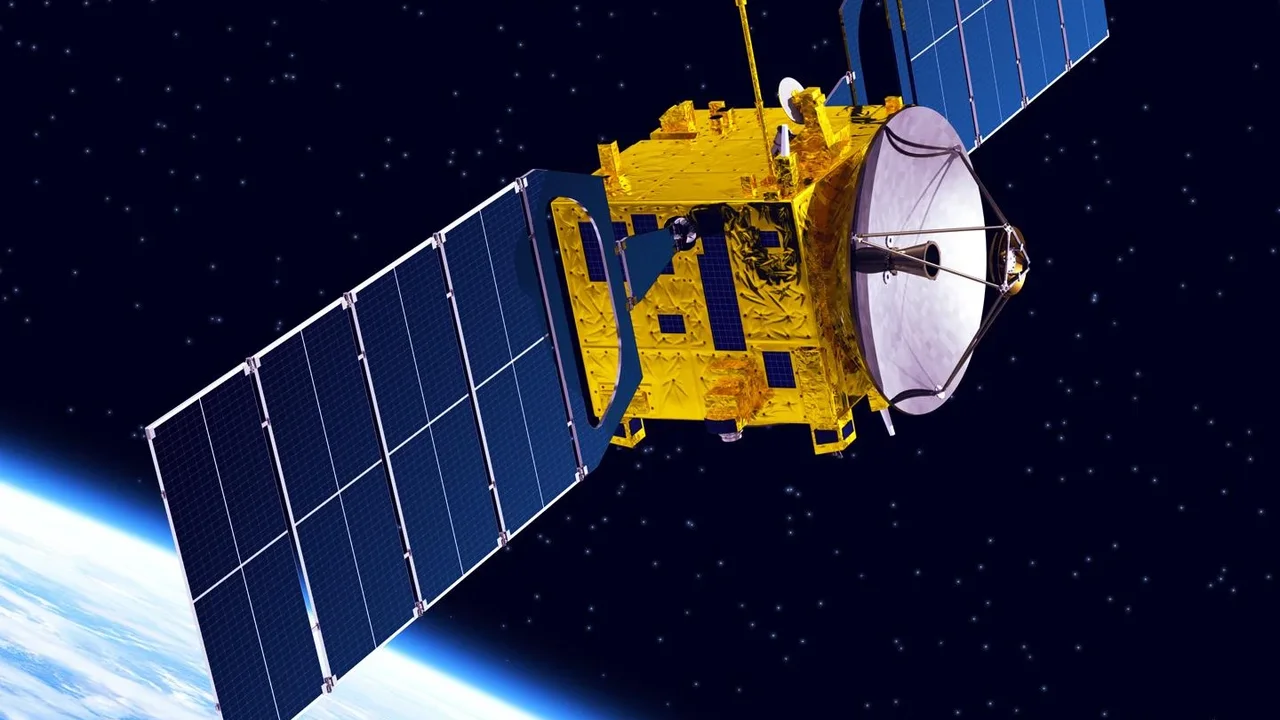
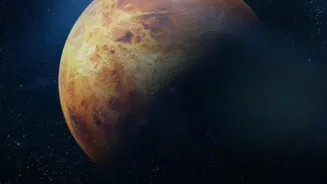
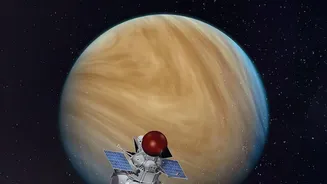
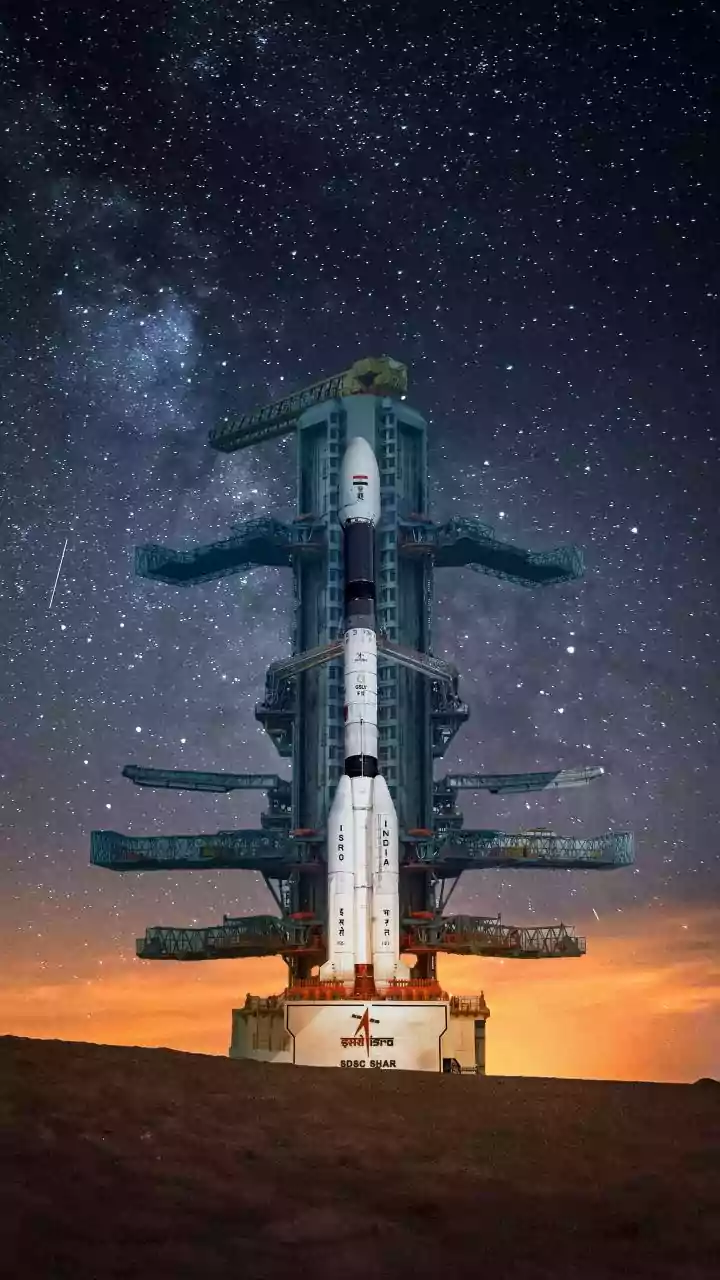
After successfully conquering the Moon and Mars, ISRO has its sights set on our other celestial neighbour, Venus. The planned Venus Orbiter Mission, unofficially named Shukrayaan, is India's ambitious first foray to the second planet from the Sun. The mission's
primary objective is to create a comprehensive map of Venus's surface and atmosphere. To do this, ISRO has developed a suite of sophisticated instruments, including a high-resolution Synthetic Aperture Radar (SAR) capable of piercing the dense Venusian cloud cover. This radar will be able to map the surface with a much higher resolution than previous missions like NASA's Magellan in the 1990s. In addition to the radar, the orbiter will carry instruments designed to study atmospheric chemistry, including thermal cameras and spectrometers. These tools are crucial for detecting the tell-tale chemical signatures that volcanoes vent into the atmosphere.
The Volcanic Clues in the Clouds
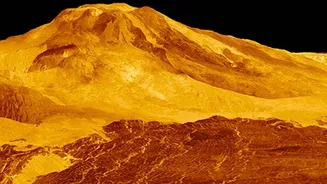
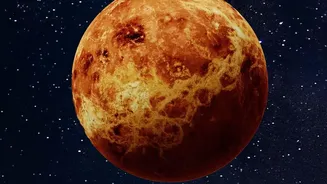
So, how can looking at the atmosphere tell us about volcanoes on the ground? On Venus, the connection is direct and powerful. Volcanoes are a primary way a planet releases internal heat and gases into its atmosphere. Scientists have long suspected that Venus is volcanically active, and recent analyses of old data have provided strong evidence. When volcanoes erupt, they spew massive amounts of gases, with sulfur dioxide being a key marker. The atmosphere of Venus is already rich in sulfur dioxide, forming the thick, sulphuric acid clouds that perpetually shroud the planet. However, the concentration of this gas varies significantly at different altitudes and over time. Instruments on past missions, like ESA's Venus Express, detected dramatic fluctuations in sulfur dioxide levels in the upper atmosphere. ISRO's mission aims to use its advanced sensors to create a detailed map of these gases. By tracking plumes of sulfur dioxide and other volcanic markers like water vapour, scientists can pinpoint their source on the ground, effectively creating a map of active volcanism.
Unlocking Venus's Hellish Past
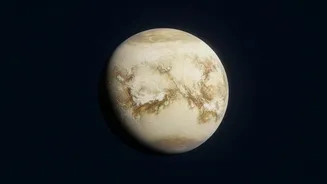
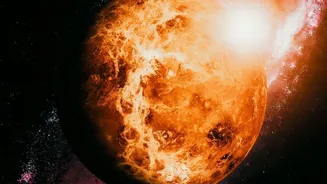
Finding active volcanoes is not just about planetary 'spot the difference'. It's about answering one of the most profound questions in planetary science: why did Earth and Venus, which started so similarly in size and composition, evolve so differently? Venus today is a scorching hothouse, with surface temperatures hot enough to melt lead and an atmospheric pressure 90 times that of Earth. But evidence suggests it may have once been a temperate world with liquid water oceans. A leading theory for this dramatic transformation is massive, prolonged volcanic activity. Periods of intense eruptions, lasting for thousands of years, could have pumped enormous quantities of greenhouse gases into the atmosphere, triggering a runaway greenhouse effect that boiled away its oceans and turned the planet into the inferno it is today. By identifying the location and frequency of modern volcanic eruptions, ISRO's data can help scientists model this catastrophic climate change event. It will provide a crucial piece of the puzzle to understand whether Venus's transformation was a gradual process or the result of sudden, violent geological episodes.
A Planetary Cautionary Tale
The study of Venus is more than just academic curiosity; it holds important lessons for our own planet. Understanding the mechanisms of a runaway greenhouse effect on Venus helps us better model and comprehend climate change on Earth. The large igneous provinces that scientists believe may have transformed Venus have parallels in Earth's history, linked to several mass extinction events. By studying Venus, we are essentially looking at a natural laboratory for planetary climate dynamics on an extreme scale. ISRO's Shukrayaan mission, joining a new wave of international efforts to explore Venus, will be a key contributor to this global endeavour. The data gathered will not only place India at the forefront of planetary science but also help us understand the forces that shape habitable worlds and the fine line that separates a thriving planet like Earth from a cautionary tale like Venus.