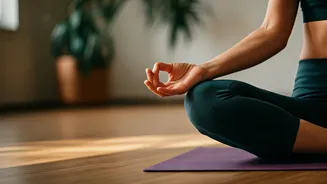









A New Demand for Mindful Movement
In the bustling wellness landscape of cities like Mumbai, Bengaluru, and Delhi, a significant trend is emerging. Yoga studios and independent instructors are reporting a marked increase in attendance for classes tailored specifically for older adults
and those focused on 'healthy aging'. This isn't your typical power yoga session. Instead, these classes prioritise stability, mobility, and mental peace over complex postures. The surge reflects a major demographic and cultural shift: a generation of Indians is approaching their later years not as a period of decline, but as a time to proactively invest in their physical and mental well-being. They are seeking sustainable practices, and yoga, adapted for their needs, is providing the perfect answer.
What is 'Healthy Longevity Yoga'?
The term doesn't refer to a new, trademarked style of yoga. Rather, it's an approach that modifies traditional practices to serve the goal of long-term health. The focus shifts from achieving the 'perfect' pose to cultivating functional fitness. Classes for healthy longevity typically emphasise several key areas. Chair yoga is a common feature, allowing participants to perform asanas with support, reducing the risk of falls and making the practice accessible to those with balance issues. The use of props like blocks, bolsters, and belts is extensive, ensuring proper alignment and preventing strain on joints. Instructors trained in this method focus on gentle stretches to maintain flexibility, simple strengthening poses to preserve muscle mass, and crucial balance exercises to improve stability and prevent injury. It's yoga reimagined for the realities of an aging body.
More Than Just Physical Exercise
A key driver of this trend is the understanding that longevity is about more than just physical health. These specialised classes offer profound benefits for mental and emotional wellness, which are often overlooked. Pranayama (breathing exercises) is a central component, helping to calm the nervous system, reduce stress and anxiety, and improve lung capacity. Simple meditation and mindfulness techniques are integrated to enhance cognitive function, improve focus, and foster a sense of inner peace. Perhaps most importantly, these classes create a sense of community. For many senior citizens, especially in urban settings, loneliness can be a significant issue. A weekly yoga class provides a social anchor—a place to connect with peers, share experiences, and build supportive relationships, which is just as vital for a long, happy life as any physical exercise.
The Reasons Behind the Rise
Several factors are converging to fuel this demand. Firstly, India's population is aging, and with increased life expectancy comes a greater need for sustainable health solutions. Secondly, the post-pandemic era has heightened everyone's awareness of preventive healthcare. People are no longer waiting for illness to strike; they are actively seeking ways to stay healthy. For many urban seniors, who may have more disposable income and time after retirement, investing in their health is a top priority. Furthermore, their adult children, often well-versed in modern wellness trends, are encouraging their parents to join such classes. This intergenerational support is helping to break down old stigmas and make practices like yoga more accessible and appealing to the older generation.
Finding the Right Class for You
For those interested in exploring this path, finding a safe and effective class is crucial. It’s important to look for an instructor with specific training or significant experience in teaching older adults or therapeutic yoga. Don't hesitate to ask about their qualifications. A good class will have a smaller student-to-teacher ratio, allowing for more personalised attention. The atmosphere should feel non-competitive and welcoming, with the instructor encouraging participants to listen to their bodies and not push beyond their limits. A trial class is often the best way to gauge if the style, pace, and community are the right fit. The goal is to find a practice that feels nourishing, not punishing.