




More Than a Monsoon Craving
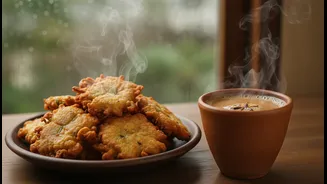
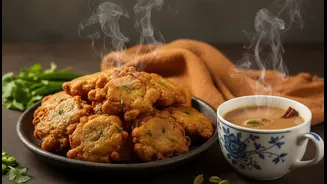
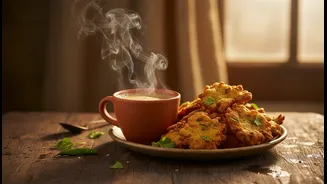
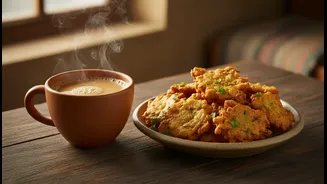
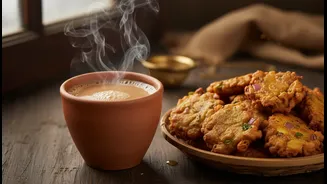
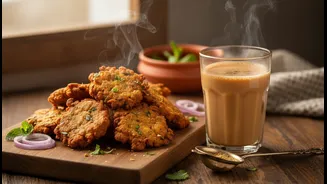
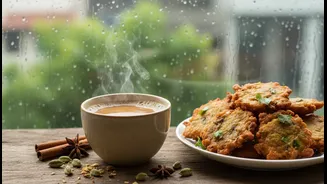
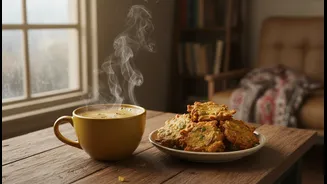
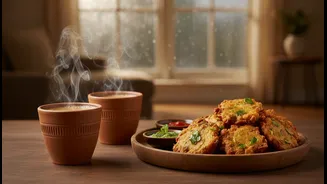
The pairing of chai and pakoras, especially during the monsoon, feels like an unwritten rule in many Indian households. It’s a tradition that transcends regional boundaries, becoming a shared national moment. While the craving seems to peak with the pitter-patter
of rain, the ritual of 'shaam ki chai' (evening tea) is a daily constant for millions. It’s a designated pause where families and colleagues reconnect, sharing stories and snacks after a long day. This simple act of coming together over a hot beverage and a savoury snack is woven into the country's social fabric, a symbol of hospitality and connection.
The Psychology of Comfort
This craving isn't just in our heads; it's rooted in psychology. When the weather turns cool and damp, our bodies naturally seek high-calorie foods that provide a sense of warmth and energy. Beyond the physical, comfort foods trigger feelings of nostalgia and emotional security. The act of eating them can activate reward centers in the brain, releasing dopamine and serotonin—neurotransmitters associated with pleasure, happiness, and calm. This chemical response provides a temporary uplift, which can help combat the gloomy feeling that sometimes accompanies rainy weather. This makes the indulgence feel less like a snack and more like a necessary act of self-care.
A Symphony for the Senses
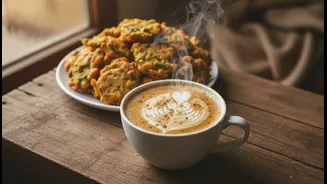
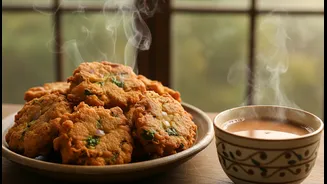
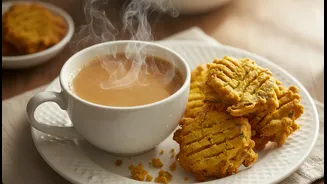
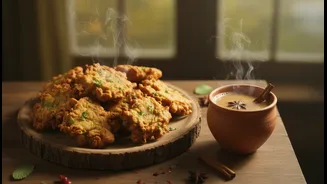
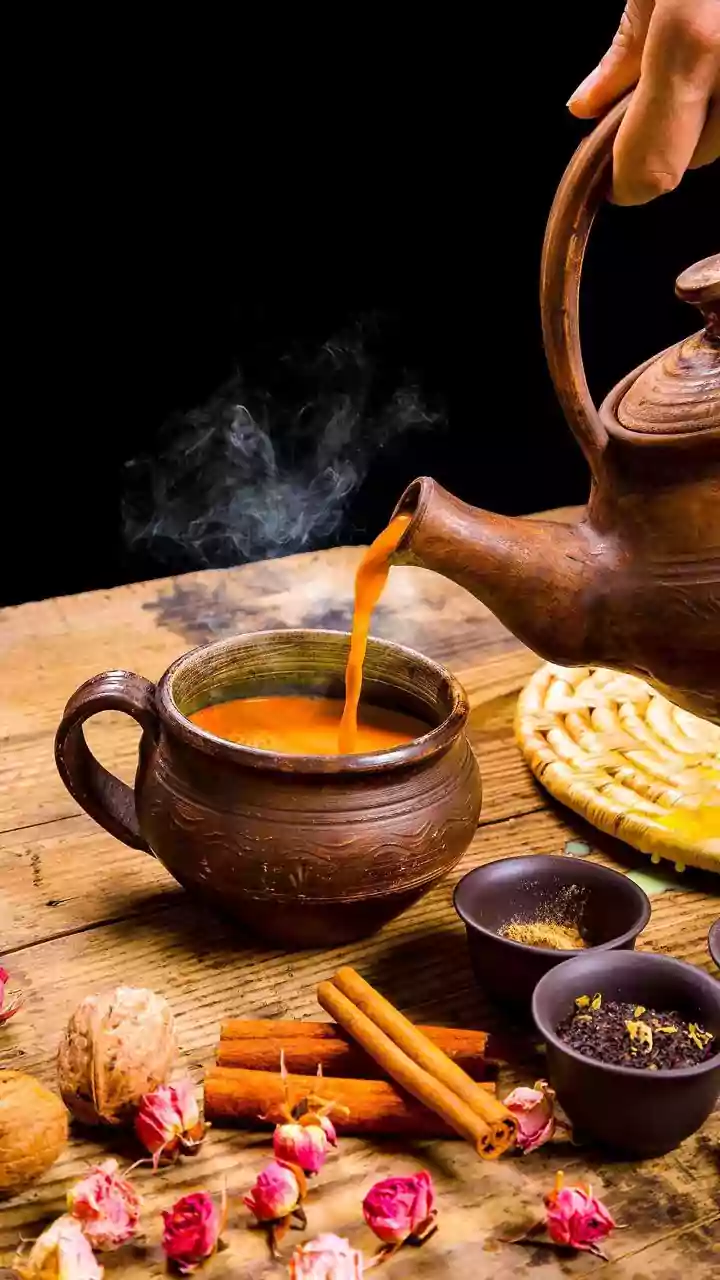
The appeal of chai and pakoras is a full-body experience. The sensory contrast is key: the hot, fragrant, and often sweet chai cuts through the deep-fried, spicy, and savoury crunch of the pakora. It's a textural and flavorful delight. The sound of the pakoras sizzling in hot oil, the aroma of ginger and cardamom brewing in the tea, and the warmth of the cup in your hands all combine to create a deeply satisfying experience. Our sense of smell is powerfully linked to the parts of our brain that process memory and emotion. This explains why the specific aromas associated with this combination can instantly transport us back to cherished moments.
A Ritual Steeped in Memory
For many, the desire for chai and pakoras is a form of nostalgic eating. The pairing evokes vivid memories of childhood, family gatherings, and being cared for. Our brains don't just register taste; they file it away with the emotions and context of the experience. A food associated with happy, secure moments becomes more than just sustenance; it becomes a trigger for those positive feelings. Each sip and bite is a return to a simpler, warmer time, a connection to our past and the people who shaped it. This is why the tradition is passed down through generations, becoming a shared cultural memory that continues to be created every time it rains.
A Modern Tradition
While the ingredients for pakoras (like gram flour and spices) have ancient roots in India, the pairing with masala chai is a more recent phenomenon. Tea was popularized by the British in the 19th century, and masala chai—with milk, sugar, and spices—is largely a 20th-century Indian innovation. The combination's status as a monsoon ritual truly cemented itself in the mid-to-late 20th century with the growth of urban street food culture and its romanticism in Bollywood. It became a staple at railway stations, college canteens, and, of course, in homes, solidifying its place as the unofficial cuisine of the Indian rains.