




Why the Sudden Green Thumb?
The move towards balcony gardening is driven by a desire for freshness and a deeper connection to food. Home-grown herbs are not only more flavourful and aromatic, but they are also free from pesticides. This trend gained momentum during the pandemic,
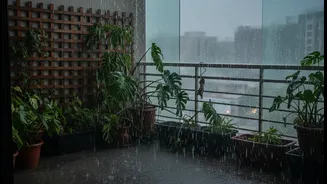
as lockdowns highlighted the need for food security and self-sufficiency. Initiatives like the Chennai Urban Farming Initiative (CUFI) have also promoted greening urban spaces, encouraging residents to see their balconies and rooftops as potential food sources that can also help cool the city. Beyond the practical benefits of saving money and reducing waste, gardening offers a simple, rewarding hobby that reduces stress and adds a touch of nature to urban life.
The Chennai Starter Pack: 5 Easy Herbs
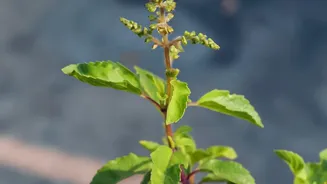
Chennai's warm, humid climate is ideal for a variety of herbs that are staples in Indian cooking. If you're a beginner, start with these five low-maintenance plants: 1. Tulsi (Holy Basil): Revered in Indian households, Tulsi is hardy and thrives in sunlight. Its leaves are perfect for teas and kadhas, and it's known for its medicinal properties. 2. Mint (Pudina): One of the easiest herbs to grow, mint spreads quickly and loves moisture. A single plant can provide enough leaves for daily chutneys, juices, and garnishes. 3. Coriander (Dhania): A must-have for any Indian kitchen, coriander grows quickly from seed. It prefers partial sun and regular watering for a continuous supply of fresh leaves. 4. Curry Leaves (Kadi Patta): This perennial plant is fundamental to South Indian cooking. While it grows into a small tree in the ground, it can be maintained in a large pot on a sunny balcony. 5. Ajwain (Carom): The fragrant leaves of the Ajwain plant are often used in home remedies and for cooking. It grows well in pots and requires plenty of sunlight and well-drained soil.
Setting Up Your Green Corner
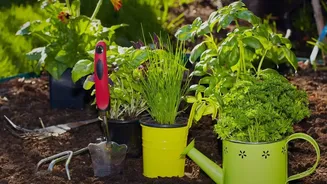
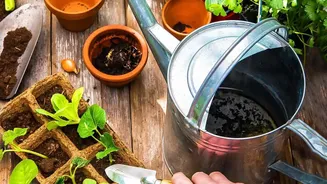
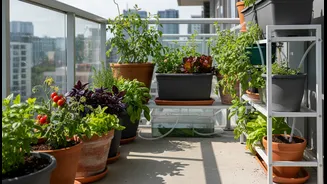
Starting your own balcony herb garden doesn't require a lot of space or expensive equipment. First, observe your balcony to see how many hours of sunlight it receives; most herbs need at least four to six hours daily. A south or west-facing balcony is often ideal. Choose containers with drainage holes to prevent waterlogging—terracotta pots, grow bags, or even recycled containers will work. Use a lightweight, well-draining potting mix rather than heavy garden soil. You can find seeds and saplings at local nurseries. Arrange your pots to maximize space, perhaps using vertical stands or railing planters for a more organised look.
Caring for Your Herbs
The key to a thriving herb garden is proper watering. Check the soil daily; water only when the top inch feels dry to the touch. Overwatering is a common mistake that can lead to root rot. For herbs like Tulsi and Ajwain, allow the soil to dry out slightly between waterings, while mint prefers consistently moist conditions. To encourage bushy growth, regularly pinch off the top leaves and any flower buds that appear, especially on basil and mint plants. This not only keeps the plant healthy but also ensures a steady supply of tender leaves for your kitchen. Regular harvesting is the best way to enjoy your garden and promote new growth.