







Decoding Your Meal Plan
Hotel packages in India often use specific acronyms for meal plans. Understanding them is the first step to knowing what you're paying for. The European Plan (EP) includes only the room; no meals are covered. The Continental Plan (CP) includes your room and a complimentary
breakfast. The Modified American Plan (MAP) is a popular choice, offering your room, breakfast, and one major meal—either lunch or dinner. Finally, the American Plan (AP) includes all three meals: breakfast, lunch, and dinner. Choosing an EP or CP plan gives you the flexibility to explore local dhabas and restaurants, while MAP and AP plans are convenient for remote resorts where dining options are limited.
What Should Be Included
A standard holiday package to a destination like Himachal Pradesh or Uttarakhand typically covers the core components of your trip. This usually means accommodation for the specified number of nights, the meal plan you selected, and all applicable base hotel taxes like GST. Most packages also include pre-arranged transportation for sightseeing as detailed in the itinerary, along with driver allowances, tolls, and parking fees. Many operators will also arrange for a welcome drink upon arrival and may include pick-up and drop-off from the nearest bus stand or airport. These are the basics you should expect, but always confirm them in writing.
Common Exclusions and Hidden Costs
The fine print is where travel budgets get broken. Many Himalayan packages explicitly exclude several costs that can add up significantly. Room heaters, a near-necessity in the cold mountains, are almost always an extra charge, payable directly at the hotel. Similarly, extra bedding or a rollaway bed for a third person or child will incur an additional fee. While your itinerary might list sightseeing spots, the entry fees for monuments, parks, and monasteries are rarely included. The same goes for any special local transport, like union taxis required in certain areas or pony rides.
Activities and Permits
The Himalayas are an adventure playground, but those adventures cost extra. Activities like paragliding, river rafting, skiing, and even cable car rides like the Gulmarg Gondola are not part of a standard package. These must be booked and paid for separately. Furthermore, if your travel plans include restricted or protected areas, such as certain parts of Ladakh or trekking routes in Nepal, you will need special permits. These permits have their own fees and are generally not included in the tour package cost, though your travel agent can often help facilitate the application process for an additional charge.
The Truth About Transportation
Many travellers are surprised to learn that the included vehicle is not at their disposal 24/7. The cab is typically provided for point-to-point transfers and sightseeing as per the agreed-upon itinerary only. If you decide to take an unscheduled trip to a local market or need the car after your sightseeing for the day is over, it will likely cost extra. Also, be aware that in hilly areas, the air conditioning in the vehicle is often turned off to prevent engine strain, which is a standard practice you should anticipate. Any travel outside the planned route, such as an extension to a different valley, will be an additional expense.
Before You Book: A Final Checklist
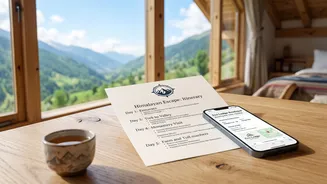
To avoid any last-minute shocks, get clarity before you pay. Ask your travel agent for a detailed inclusion and exclusion list in writing. Specifically, confirm the meal plan and what it covers—is it a buffet or a fixed menu? Enquire about charges for room heaters and extra beds. Check if the Goods and Services Tax (GST) is included in the final quote or if it will be added later. A 5% GST is common. Finally, ask for a day-by-day itinerary that clearly states what sightseeing is included and what is not. A few direct questions can save you from a lot of frustration and unexpected expenses on what should be a peaceful mountain retreat.