



Embarking on your first solo trip is a thrilling mix of freedom and jitters. The allure of complete independence is powerful, but a few common pitfalls can trip up even the most enthusiastic adventurer. Here’s how to sidestep them.
Mistake 1: Over-Scheduling Your Itinerary
The temptation to cram
every landmark, museum, and recommended cafe into a single trip is strong. It feels productive, but it's the fastest way to experience burnout. A rigid, back-to-back schedule leaves no room for the spontaneous magic that makes solo travel so rewarding—like discovering a hidden alley, lingering in a park, or accepting an invitation from new friends. Overplanning can lead to stress and disappointment when things inevitably go off-track. The best approach is a balanced one. Identify a few 'must-do' activities for each day and leave the rest of your time flexible. This ensures you see your top priorities without sacrificing the freedom to wander and explore. This built-in downtime is not empty space; it’s an opportunity for discovery. It allows you to travel at your own pace, not at the mercy of a punishing checklist.
Mistake 2: Not Creating a Realistic Budget
Assuming you’ll just ‘figure out’ your finances on the road is a recipe for anxiety. Without a plan, it’s easy to overspend on the first few days, leaving you short for the rest of your trip. A sound budget is about empowerment, not restriction. Start by mapping out your core expenses: accommodation, transport, food, and key activities. Use travel forums and blogs to research the average daily costs at your destination. Crucially, add a 10-20% buffer to your total budget for unexpected costs like a missed train, a medical need, or a can’t-miss souvenir. To make saving easier, open a dedicated travel account and set up automatic transfers. While traveling, use a simple app to track your daily spending. This keeps you accountable and helps you make smarter choices, like balancing a fancy dinner one night with a market meal the next, ensuring your funds last the entire journey.
Mistake 3: Ignoring Basic Safety Protocols
Independence should not come at the cost of vigilance. When you're on your own, personal safety is entirely your responsibility. A common mistake is failing to do destination-specific research. Before you go, understand local customs and dress codes to blend in and avoid drawing unnecessary attention. Arriving in a new city after dark can be disorienting and risky; always try to schedule your arrival during daylight hours. One of the most critical safety habits is to share your itinerary, including accommodation details and expected arrival times, with a trusted person back home. Also, create digital and physical copies of your passport and important documents. Trust your intuition; if a situation or person feels 'off,' remove yourself from it immediately. These simple, proactive steps are not about creating fear but about building a safety net that allows you to explore with confidence.
Mistake 4: Packing for Every Possible Scenario
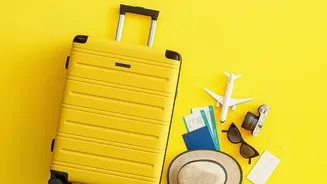
First-time solo travelers often make the mistake of packing too much, burdened by 'just-in-case' items they never use. A heavy suitcase is more than a physical burden; it complicates logistics, adds stress when navigating public transport, and can even incur extra fees. The goal is to pack light and smart. Focus on versatile, quick-drying clothing items that can be layered and mixed and matched. Think in terms of a capsule wardrobe rather than distinct daily outfits. Rolling your clothes and using packing cubes can maximize space significantly. Decant toiletries into smaller, travel-sized containers or, better yet, buy basics like shampoo upon arrival. A sarong can double as a towel, skirt, or blanket. Unless you’re heading somewhere extremely remote, you can almost always buy anything you genuinely forgot. Traveling light gives you freedom and mobility, which are the core joys of going solo.
Mistake 5: Fearing Solitude and Loneliness
There's a difference between being alone and being lonely, and it's a distinction every solo traveler learns. While the idea of constant solitude can be daunting, it's also where much of the personal growth happens. However, it's a mistake to not have a plan for when loneliness does strike. Before your trip, think about what you want from the experience. Are you seeking quiet introspection or opportunities to meet new people? If you crave social connection, book a group walking tour, a cooking class, or stay in a well-regarded hostel with common areas. These are easy ways to meet fellow travelers. At the same time, learn to embrace the quiet moments. Use the time to journal, peoplewatch from a cafe, or simply be present in your new surroundings. Acknowledging that moments of loneliness are normal and temporary can help you move through them and appreciate the unique journey you’re on.