

Layer Your Textiles
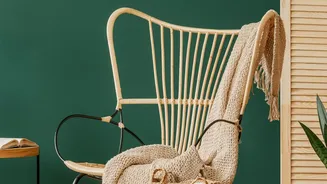
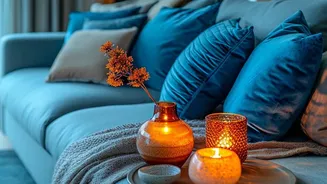
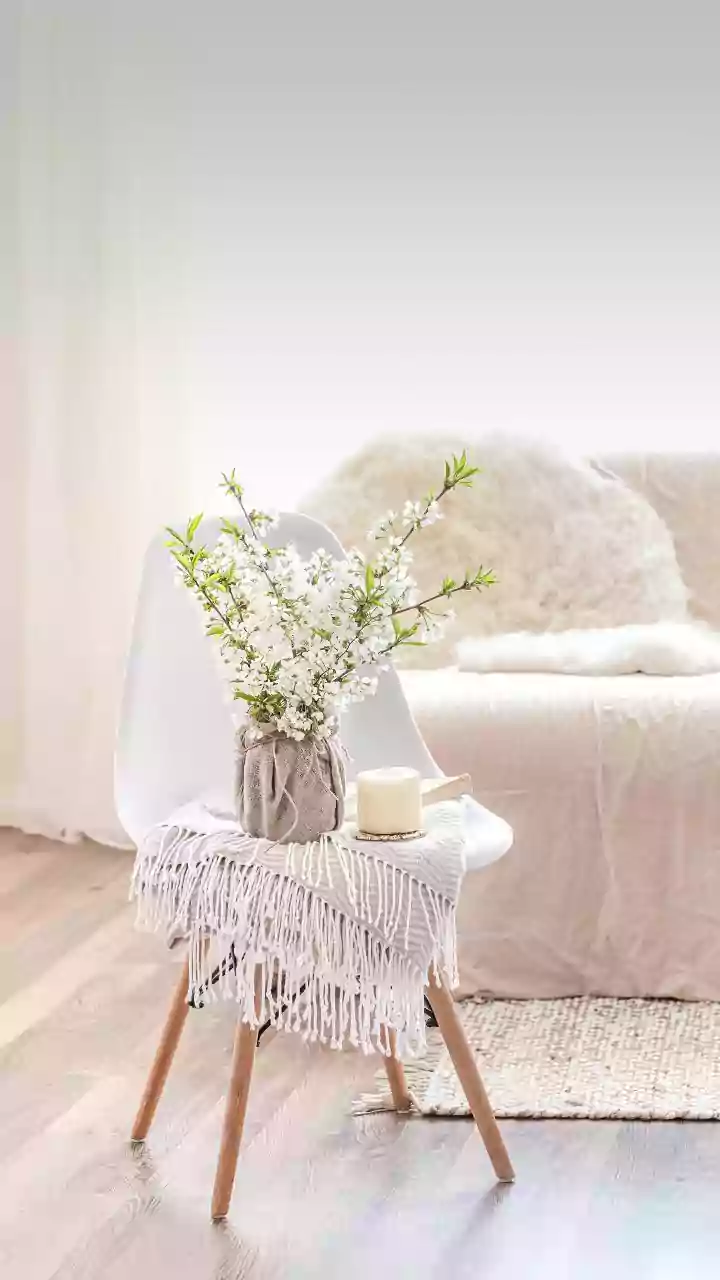
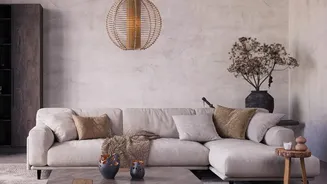
The fastest way to introduce texture is by layering different fabrics. Think beyond standard cotton and consider materials that invite touch. A chunky knit throw blanket draped over a sofa, velvet or faux fur cushion covers, or a bouclé armchair immediately
add coziness and visual weight. Don't be afraid to mix and match. Combining a smooth linen pillow with a knobby, woven one creates a dynamic and inviting look. This strategy works in any room, from adding an extra quilt at the end of the bed to using patterned placemats on a dining table. The contrast between soft, rough, and smooth fabrics is what prevents a neutral space from feeling boring.
Incorporate Natural and Woven Materials
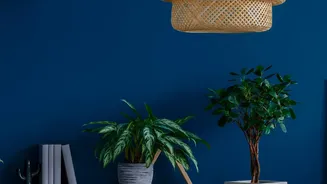
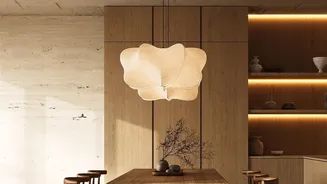
Bring the outdoors in for an instant dose of organic texture. Woven items like rattan, seagrass, and jute baskets are perfect for stylish storage while adding a light, airy feel. Use them to hold everything from blankets and magazines to children's toys. Small wooden accents also make a significant difference. Consider wooden bowls, picture frames, or candle holders on shelves. In the kitchen, displaying wooden cutting boards or spoons can add rustic charm. These natural materials bring warmth and a sense of calm that plastics and synthetics often lack.
Bring in Greenery
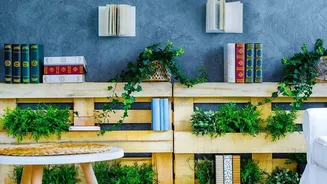
Plants are a decorator's secret weapon for adding life and natural texture to a room. The varied shapes, sizes, and sheens of leaves provide a subtle yet effective layer of visual interest. From tall floor plants to small succulents on a bookshelf or hanging plants in a corner, greenery purifies the air and makes a space feel more alive. You don't need to create an entire indoor jungle. A few well-placed plants can break up monotonous surfaces and add an organic touch that complements any decor style. Look for affordable options at local nurseries or even propagate your own from cuttings.
Get Creative with Wall Decor
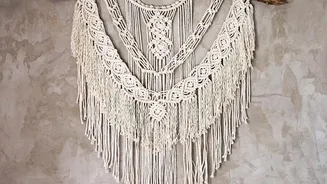
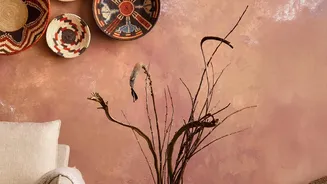
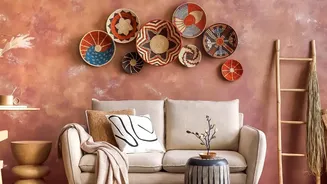
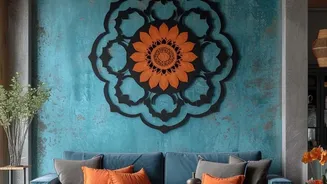
Think beyond flat, framed prints to add dimension to your walls. A macrame wall hanging, a gallery of woven baskets, or even a framed piece of a textured rug can serve as unique, touchable art. For a more ambitious but still affordable project, you can create your own textured canvas art. Using inexpensive joint compound on a blank canvas, you can create three-dimensional abstract pieces that look like they came from a high-end gallery. Tools as simple as a putty knife or a comb can be used to create patterns, and a simple coat of paint finishes the look. This DIY approach allows you to customize the size, shape, and color to perfectly match your space.
Use Rugs to Anchor and Define
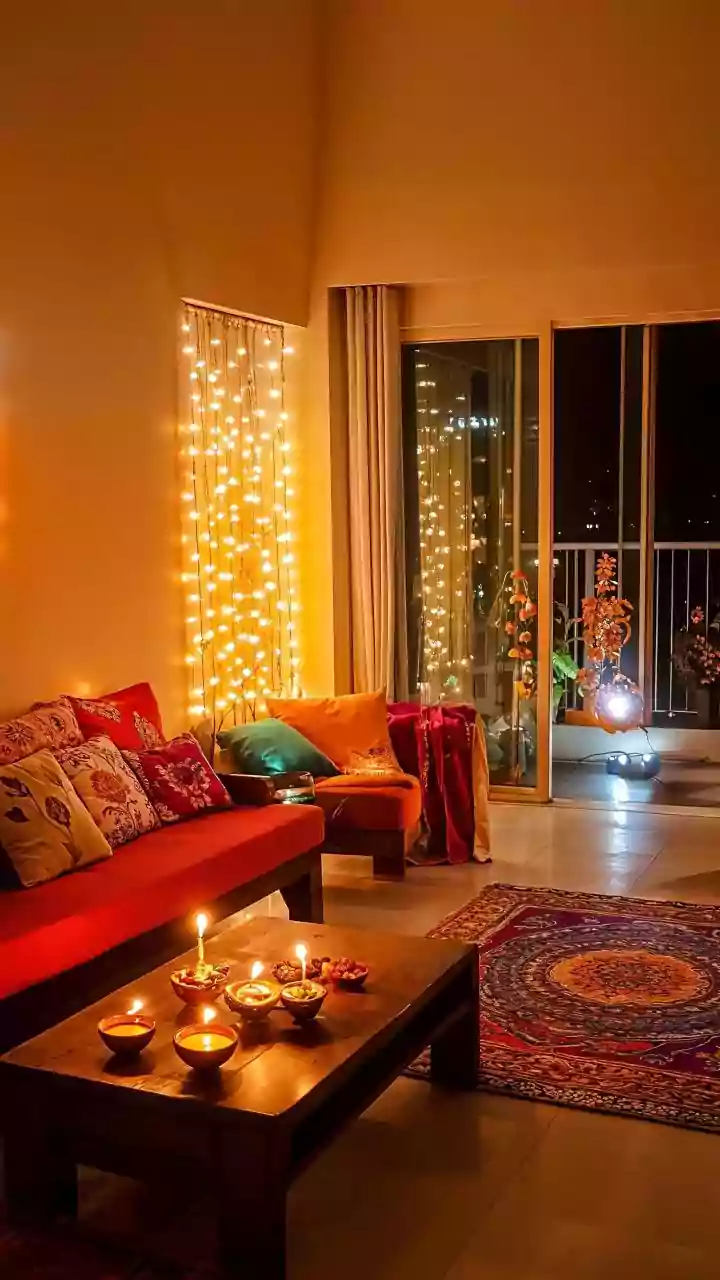
An area rug is one of the most effective ways to add texture and define a space, especially in open-plan homes. A rug can transform a room by adding color, pattern, and a soft surface underfoot. To maximize textural impact, consider layering. Placing a smaller, plush, or patterned rug over a larger, neutral one like jute or sisal can create a sophisticated, layered look full of depth. Even in a carpeted room, a well-chosen rug can anchor a seating area and introduce a new texture that breaks up the monotony of wall-to-wall carpeting. Look for options with a high-low pile or a woven design for extra tactile appeal.